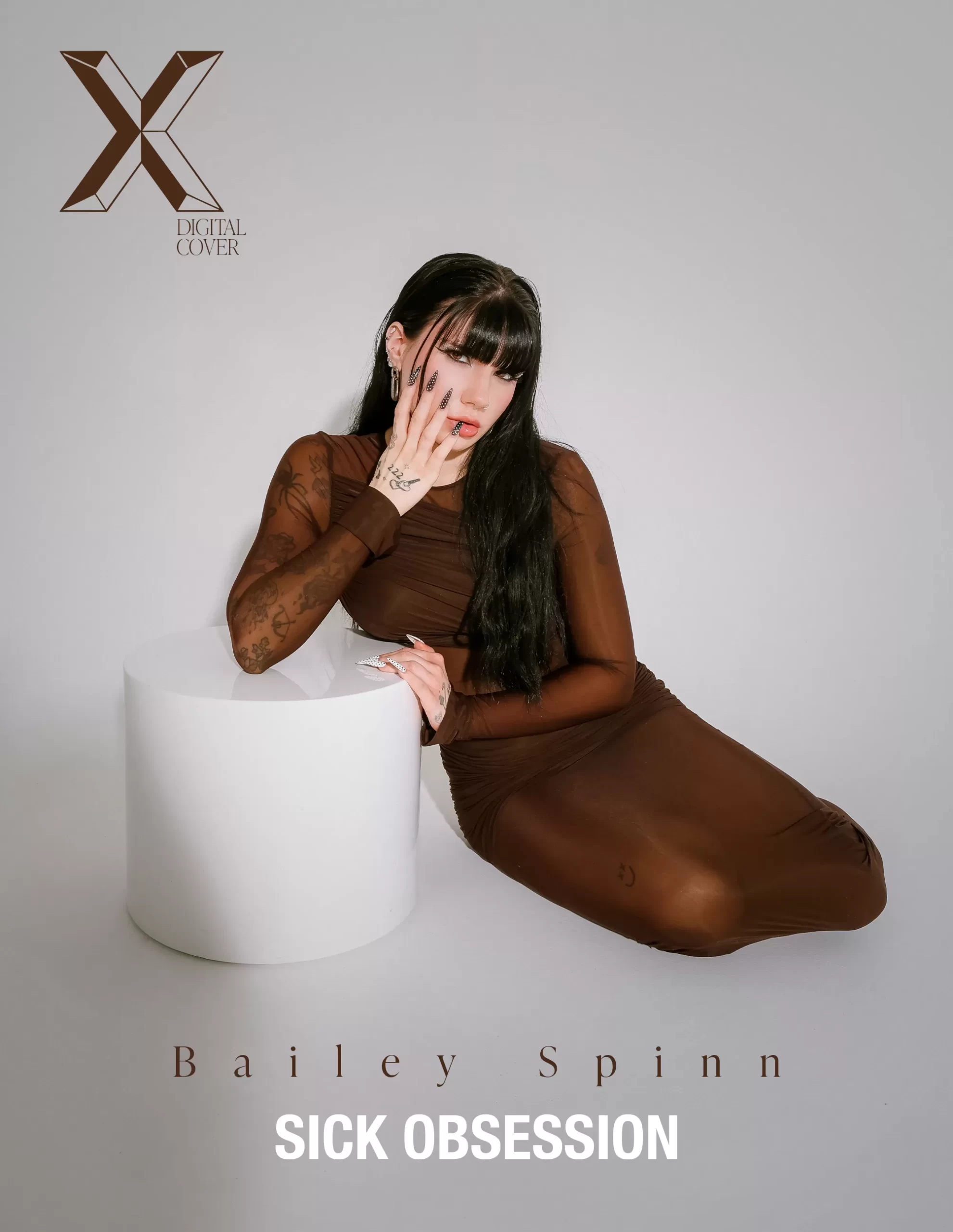

What began through TikTok and online visibility has evolved into something far more personal for Bailey Spinn — a music project built on catharsis, emotional honesty and the courage to create without hiding behind perfection.
There is something refreshingly unfiltered about the way Bailey Spinn talks about music. Even after building an audience of millions online, she still speaks less like someone chasing a formula and more like someone trying to make sense of her own emotions in real time. Long before the industry began paying attention, she was already using creativity as an outlet, but everything shifted when ‘happy ending’ unexpectedly exploded online. “When my top song ‘happy ending’ started to gain serious traction online, my career as an artist took a huge leap. Suddenly, I was getting recognised by labels, other artists, and an entirely new audience that didn’t know I made music.” The viral success surrounding the track forced her to see herself differently too. “The viral moment surrounding the song made my creativity and artistry come out even more, and I realised my online career would never look the same. From that point I dove further into building up my discography, touring, and focusing on the connection I built with my audience through music.”
That connection with listeners remains one of the defining parts of her career. Unlike artists who emerge through traditional routes, her relationship with the audience began online, in a space where people feel unusually close to the creators they follow. Even so, when it comes to writing music, she tries not to let external expectations take over the process. “I definitely take into account how my audience will feel about my music, but I like to maintain my growth and authenticity as an artist as well.” For the singer, songwriting functions almost like therapy — a private space that later becomes public. “When I’m writing my music, it’s honestly all about me, it’s my personal therapy where I can share experiences and emotions. I want people to relate to the music, but I don’t necessarily write things for them.”
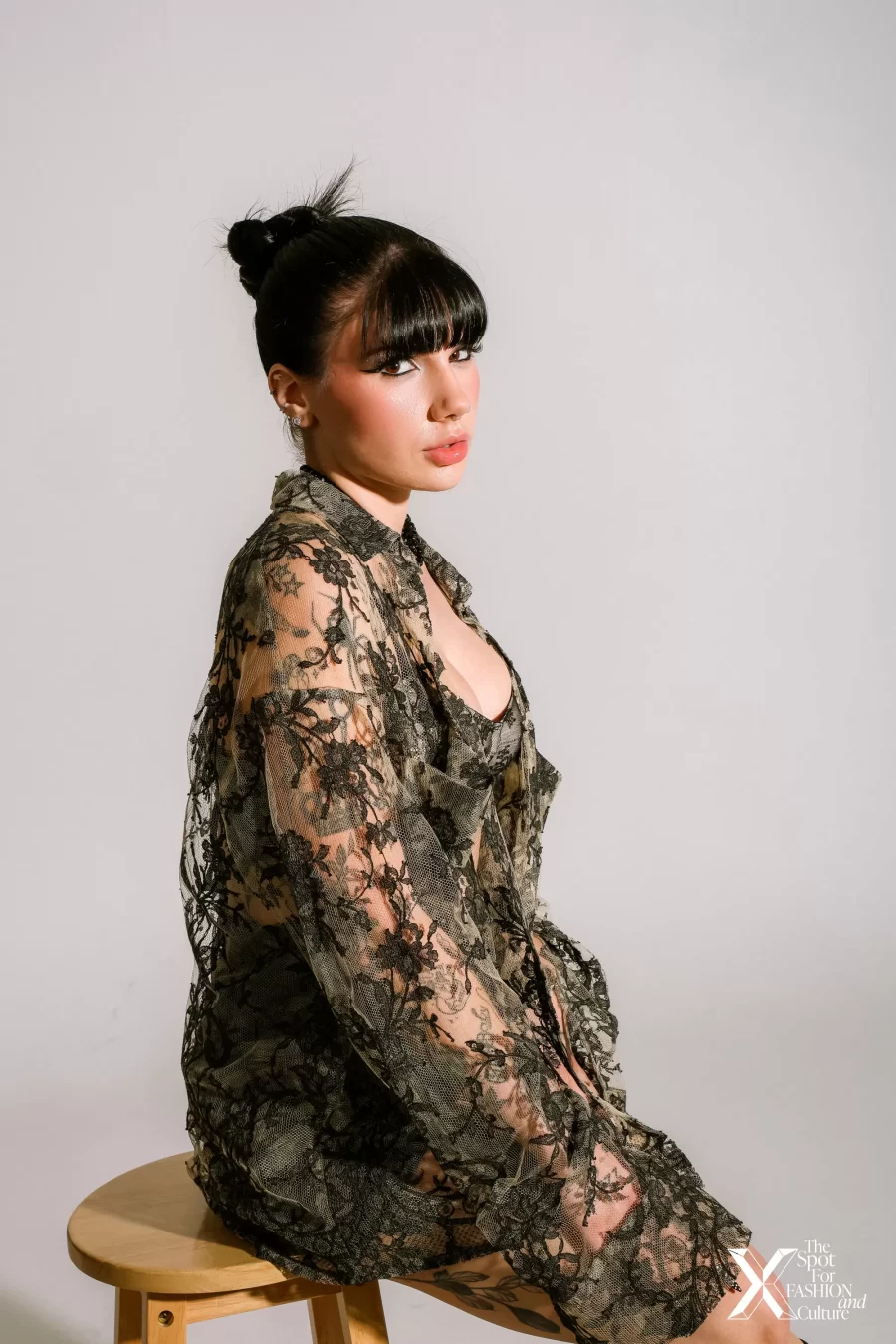
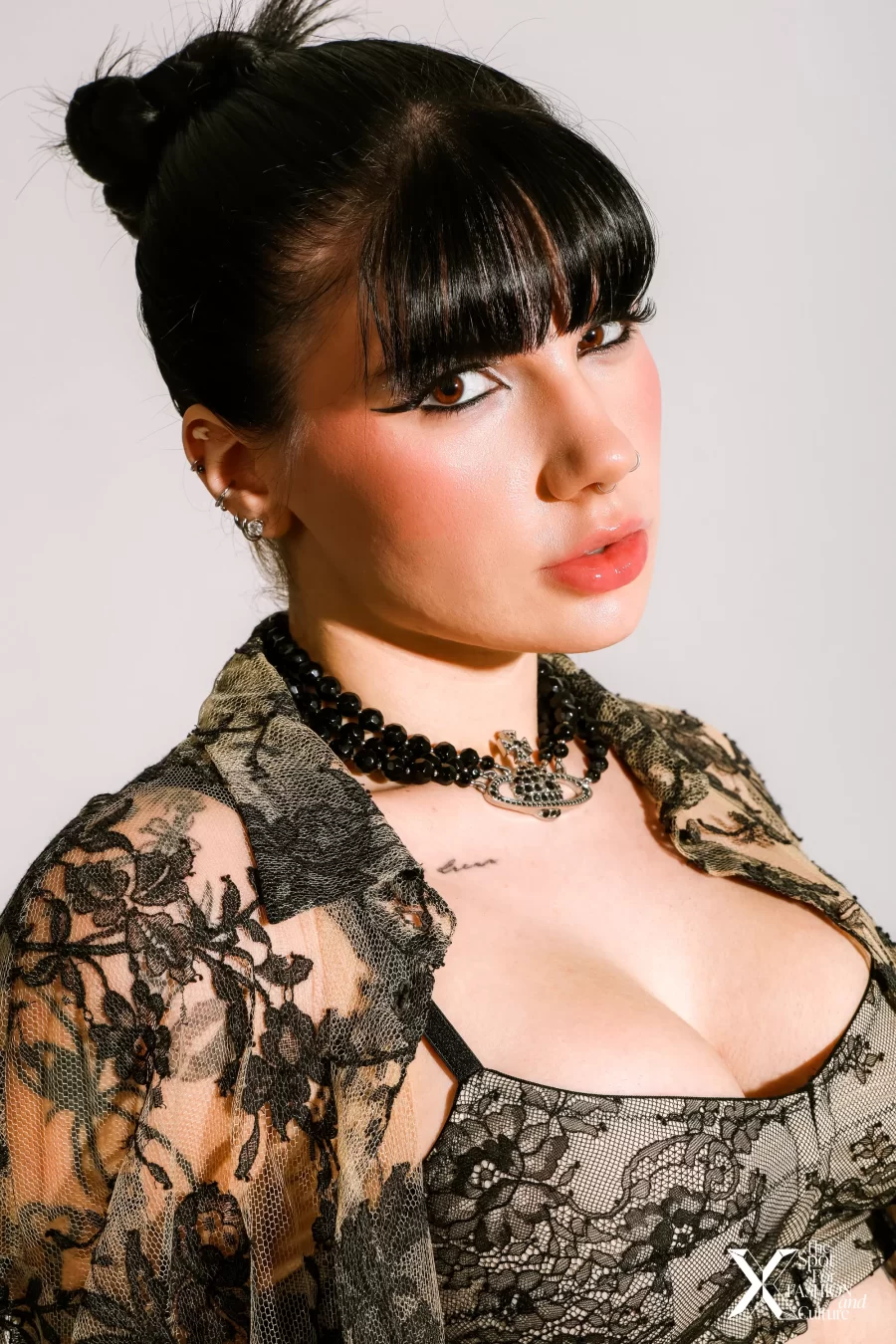
Across her songs, themes like social anxiety, insecurity and emotional exhaustion appear constantly, often in an intensely direct way that resonates deeply with younger listeners growing up online. She is not interested in pretending everything is polished or emotionally resolved. If anything, the opposite is true. “I love to be open and raw in my songs to get over or work through emotions I’ve been struggling with. Writing a new song can help me figure out exactly how I feel when it can all seem like too much.” Sometimes the music becomes a way of understanding emotions she cannot fully process otherwise. She points to ‘fear of going out’, a track inspired by feeling disconnected at parties and socially out of place. “Getting the feeling together helped me realise what was going on, and to hopefully get over it one day.”
More than anything, she wants her audience to feel less pressure to appear perfect all the time. “Scrolling online these days you see people with perfect lives curating the perfect video, but I want to share the intimate, less perfect moments as well. I want my listeners to normalise being honest about their emotions.” That honesty is probably what makes her music feel so personal. Many of her songs read less like traditional pop writing and more like fragments lifted directly from a diary. The artist herself admits that her lyrics often come from exactly that place. “Writing is my way of sharing my experiences, as I’m pretty quiet about my personal life online. My diary is exactly where I take my lyrics and inspiration from.” Rather than feeling emotionally exposed by that vulnerability, she finds comfort in it. “A lot of my songs have helped me personally get over something I went through in life, while also connecting with listeners who went through the same thing.”
“I want my listeners to normalise being honest about their emotions.”
Bailey Spinn
That closeness with her audience can also become emotionally complicated. Over the years, she has received deeply personal and sometimes concerning messages from followers who feel connected to her through the music. “I’ve seen a lot come through my DMs on Instagram over the years. While I am grateful that people have made a connection to my music and me, sometimes they don’t know where to draw the line.” While she always tries to respond with empathy, she is also conscious of the emotional limits of that relationship. “I always want to help people in the ways that I can, but I’m also not qualified to give professional mental health advice.” Instead, she encourages people to seek support where necessary while remaining compassionate. “At the end of the day, even though people made a connection with me online and through my music, we do not know each other personally.”
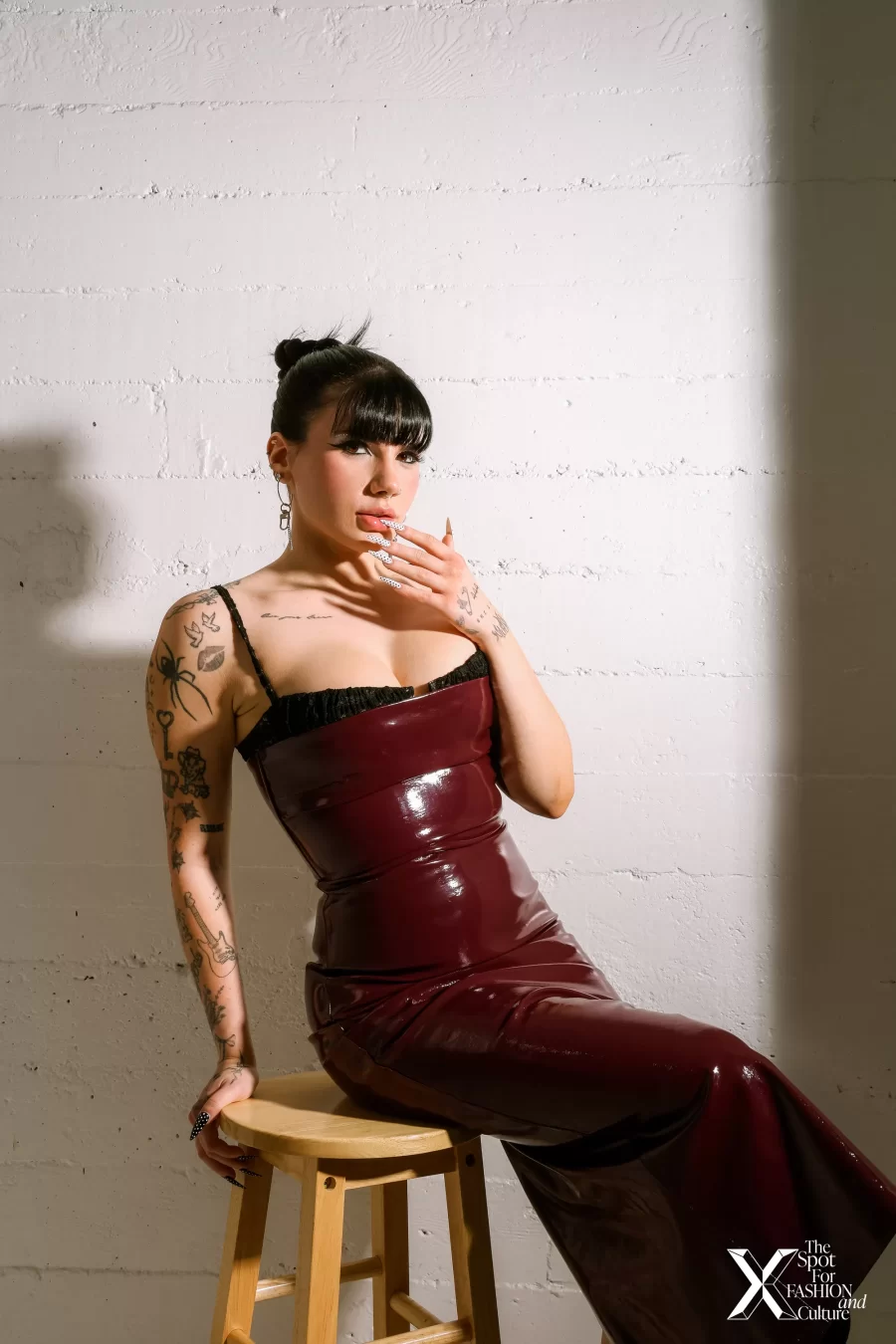
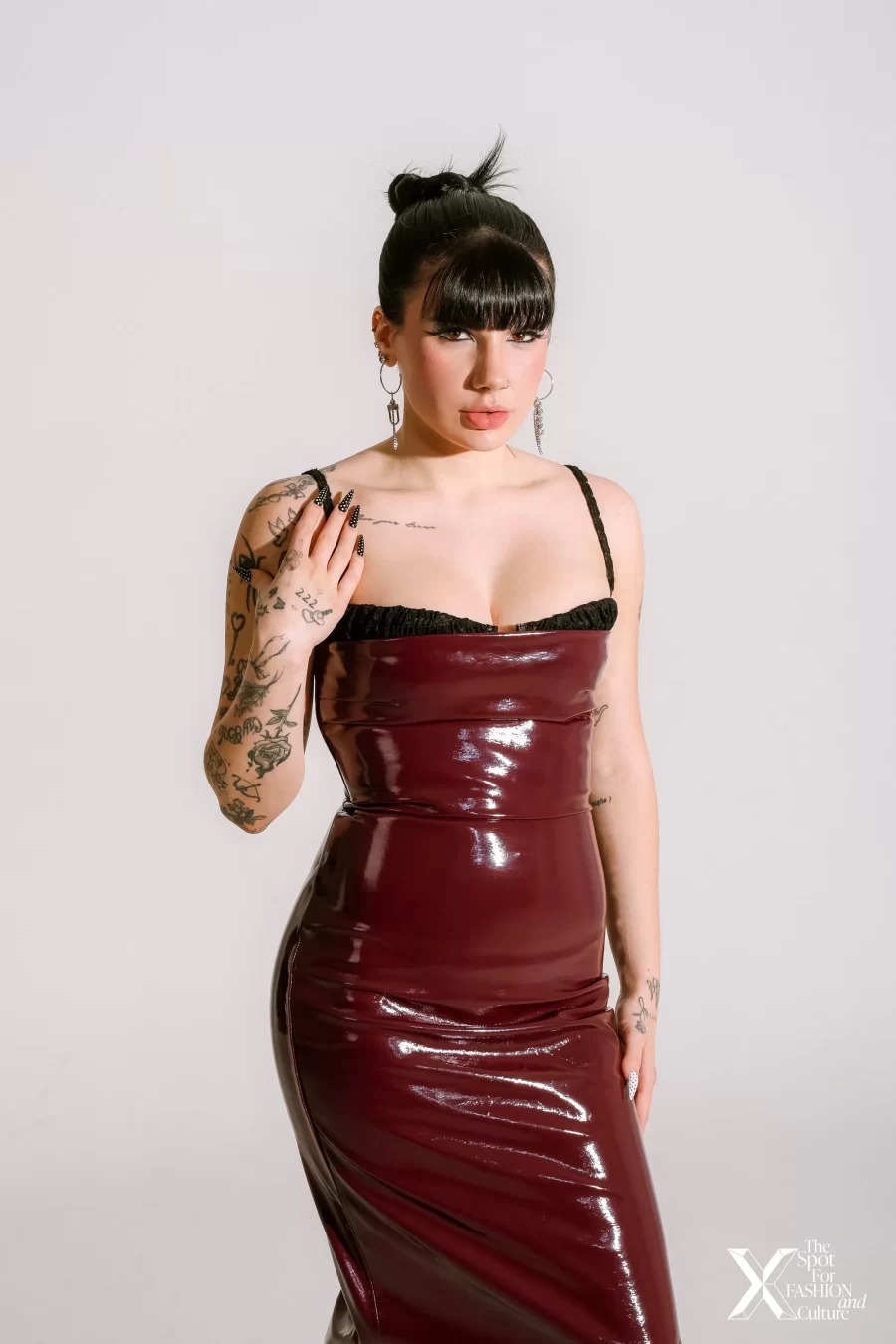
Creatively, her project seems driven much more by emotional release than by strategy or virality. Songs are born out of whatever she is trying to survive emotionally in that moment. “I would say my project is driven a lot by catharsis. I use my art as a way to purge the emotions I’m feeling as a way to escape.” She rarely enters sessions thinking about algorithms or trends. “I don’t usually head into sessions trying to create a viral song, or to appease other people. I write to release pent-up anger, sadness, frustration, or anything else that may have been heavy on my mind.” According to her, the next project pushes that honesty even further. “It’s a rollercoaster of honesty and emotions.”
That intensity is also reflected sonically. Her recent single ‘voodoo’ introduced a darker, heavier energy that immediately drew comparisons to bands like Evanescence — something she embraces openly. “Evanescence is definitely a huge inspiration to my music. I’m an avid fan of Amy Lee.” Alongside that influence, she also cites acts such as Poppy, Flyleaf, Spiritbox and Paramore as artists who helped shape her sound. “I am honoured that people can hear a similarity between me and some of these bands. They are some of the most iconic women in the rock space.”
At the same time, social media remains both a gift and a limitation within her career. It gave her visibility and independence, but it also created assumptions she continues trying to break away from. “It definitely can be difficult to get people to see past the social media presence into the passion and artistry behind my music.” Even so, she refuses the idea that being an online personality somehow invalidates her as a musician. “A lot of people on the internet try to box me in as an influencer, but I’m a strong believer that multiple things can be true at once.”
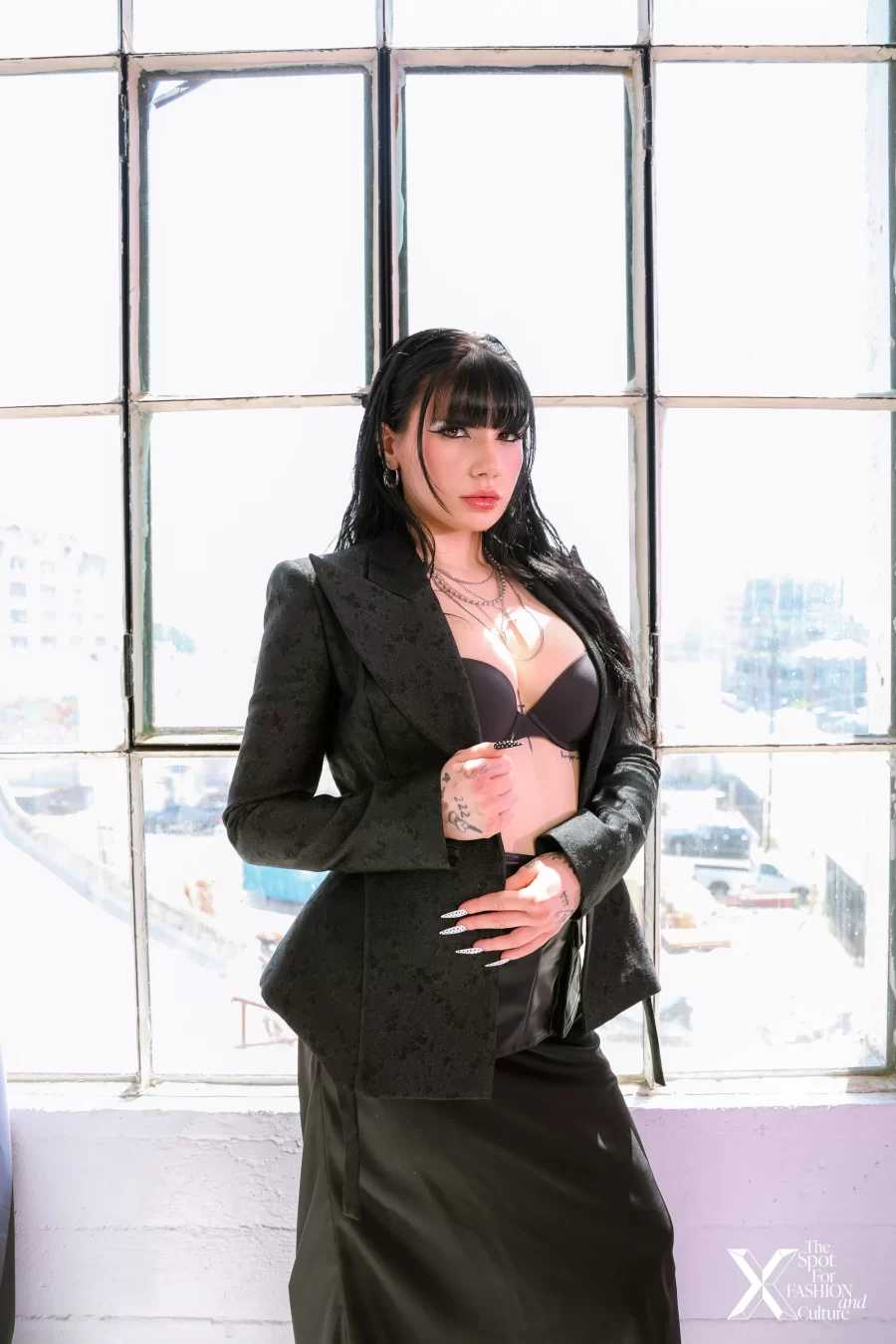
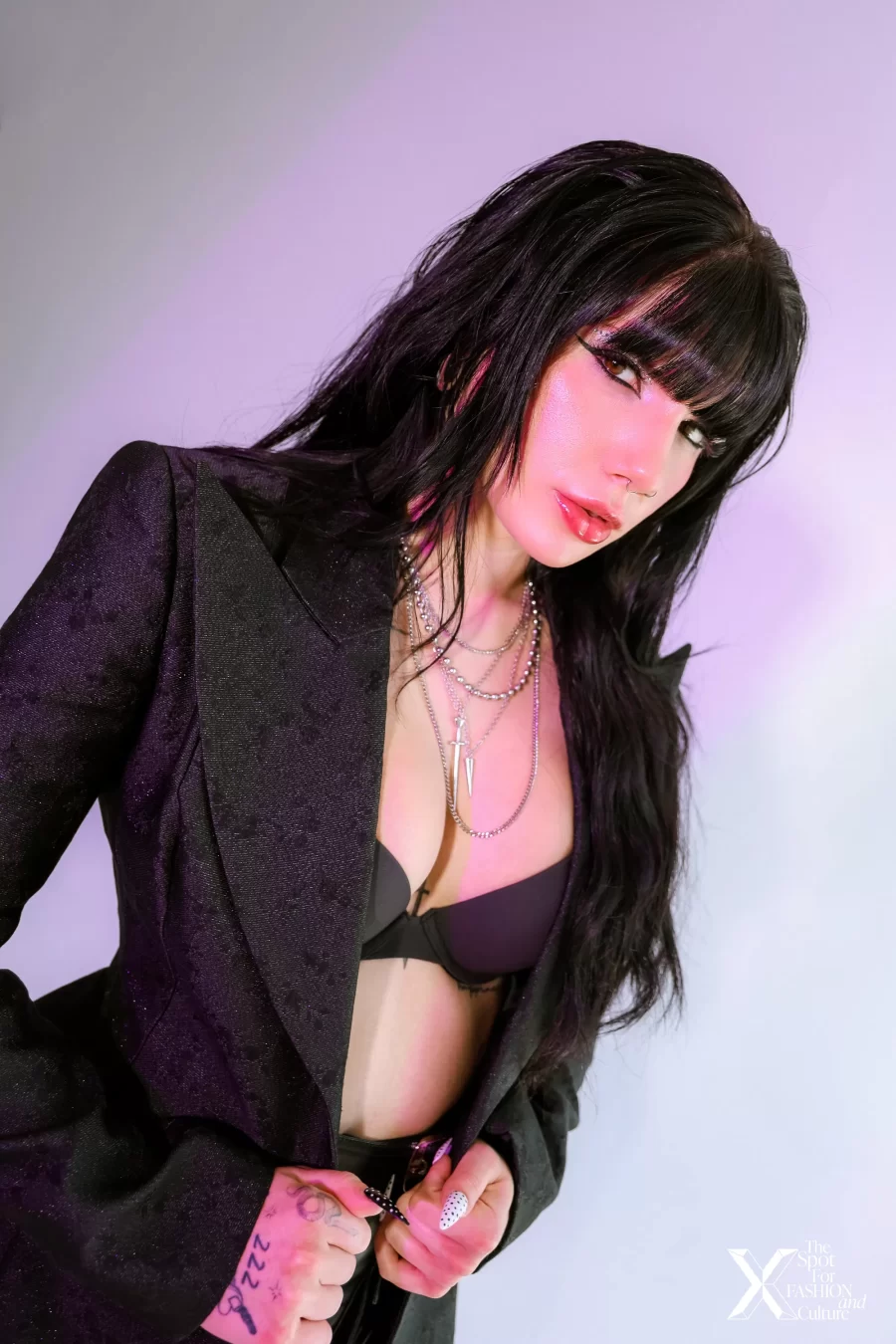
In reality, both sides of her identity existed long before her career took off publicly. “I’m grateful that I was able to build an online presence because it was also a dream of mine since childhood. I had an interest in being a YouTuber, while at the same time I loved to sing karaoke and go to Broadway shows.” What frustrates her most is how aggressively people react when someone evolves publicly or steps outside the role they were initially known for. “I think people need to be more accepting of people who want to branch out and try new things. They always tend to bully people who put themselves out there.” While she welcomes criticism, she believes people should still feel free to experiment creatively without ridicule. “People should be able to express themselves freely, and do what they want to do.”
Choosing music seriously meant taking a risk. She could easily have stayed inside the safer lane of content creation, where success was already guaranteed, but remaining there would have meant abandoning something much more important to her. “I think life without risk is boring.” That desire to challenge herself became stronger than the comfort of familiarity. “I wanted people to take my art seriously, and sometimes remaining in the comfortable lane will prevent you from growing further.” Even now, she occasionally wonders what her career might have looked like had she continued focusing entirely on content creation. “But I would have missed out on so much.” More than anything, she wanted people to understand that music had never been a side project. “I wanted people to know that music wasn’t a hobby or a money-grab, it’s something I had been genuinely interested in doing my entire life.”
Looking back at the younger version of herself who had not yet learned how far she could go, the advice she would give feels surprisingly simple. “I would tell myself to do everything that scares you.” Because almost every important step in her career came from pushing directly against fear. “I was afraid of doing things that were new to me like performing, switching genres, or being open and authentic online. I’ve learned to put myself out there more and work through anxiety while trying new opportunities.” In many ways, that sentence probably defines her better than any label attached to her online. Not influencer, not viral creator, not even genre-specific musician — just someone still willing to create honestly despite the fear that comes with it. “I would encourage her to ignore the anxiety and do it scared.”
-380x380.webp)