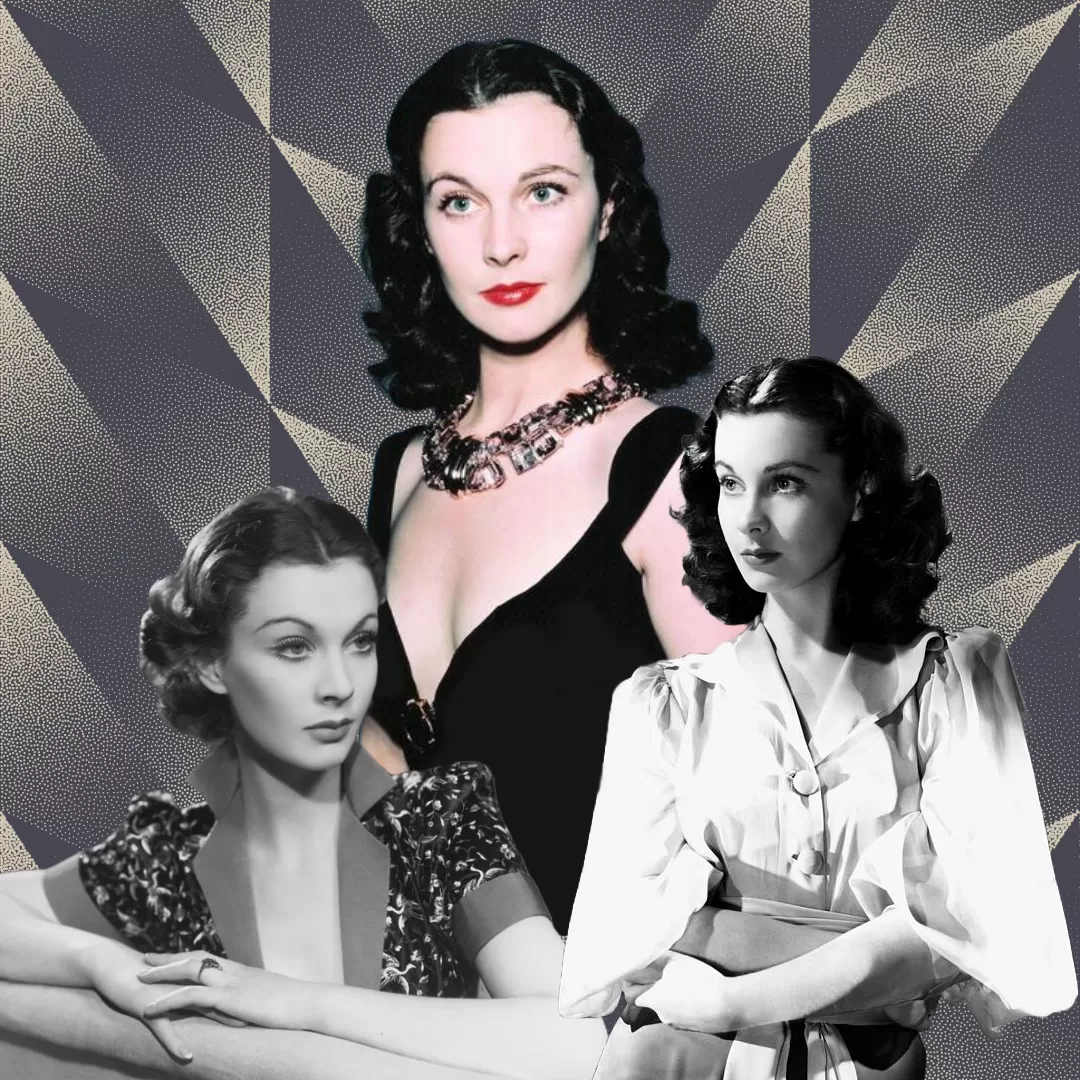

Vivien Leigh, a classic cinema icon and the unforgettable star of ‘Gone with the Wind’, lived a passionate and tumultuous life, marked by both extraordinary success and a lifelong struggle with bipolar disorder, which complicated her relationships and career, leading to a tragic end.
Born on November 5, 1913, into a bourgeois family, Vivien Leigh was a uniquely beautiful and complex woman who became one of Hollywood’s most acclaimed stars in its golden age. She is eternally remembered for her role as Scarlett O’Hara in ‘Gone with the Wind’. Her career began in London, where she met her first husband, Herbert Leigh Holman.

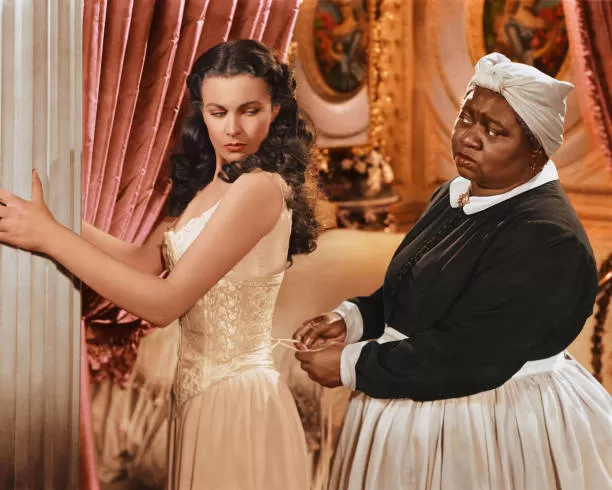
Determined to succeed as an actress despite her illness, she pursued her path with fierce dedication. In a pivotal decision, she left her daughter Suzanne from her first marriage in the care of her former mother-in-law, an aunt, and later a convent. She embarked on her journey into the film world, gaining increasing fame alongside her second husband, Laurence Olivier.
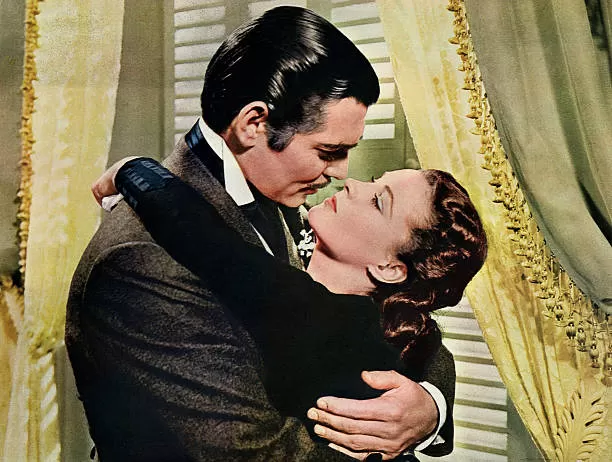
Five years after marrying Herbert, she met Olivier, and an instant attraction sparked between them. Olivier, married to actress Jill Esmond with whom he had a son, also decided to leave his marriage to be with Vivien. By 1948, the two had become one of the most admired couples, a ‘Power Couple’ of their time, with Vivien as a film star and Olivier as a prestigious actor and director who renewed British classical theater. Behind the scenes, however, their relationship was tumultuous.
Olivier’s fame began to grow with his role as Heathcliff in ‘Wuthering Heights’. Vivien had hoped to play Catherine, but without success. Soon after, she was cast as the lead in ‘Gone with the Wind’, reportedly introduced to director David Selznick by her brother Myron, who declared, “David, here’s your Scarlett.” The orange glow from the set’s flames lit her face and her green eyes, sealing her fate as Scarlett O’Hara and leading to her first Oscar win. A pivotal moment came when she and Olivier embarked on a six-month tour of Australia and New Zealand to raise funds for the ‘Old Vic’ Theatre. Despite public acclaim, their relationship frayed, especially with the arrival of Peter Finch, who started a romance with Leigh.

During those years, Olivier saw Leigh’s mood swings and episodes of anger intensify. She was often labeled ‘difficult,’ though these behaviors stemmed from her bipolar disorder, then poorly understood and called ‘manic-depressive psychosis.’ Treatment was harsh, involving electroshock therapy or even lobotomies. After a long separation, the couple divorced in 1961.
In 1951, Leigh starred in A ‘Streetcar Named Desire‘, winning her second Oscar. Her mental and physical health continued to decline, and in 1954, she was removed from ‘Elephant Walk’ following a breakdown on set. Her final major role was in ‘The Roman Spring of Mrs. Stone’ (1961).
Leigh died on July 8, 1967, from tuberculosis, a condition she had battled for over two decades. Today, she is still remembered for her outstanding performances and enduring legacy in the world of cinema.