
Pierpaolo Piccioli’s Balenciaga debut merges heritage, sensuality, and sculptural volume, defining a refined new era for the iconic maison.
Pierpaolo Piccioli’s debut at Balenciaga during Paris Fashion Week marked a turning point for the house. Instead of breaking from the past, the Italian designer paid homage to Cristóbal Balenciaga’s architectural purity and sculptural precision, while weaving in nods to Nicolas Ghesquière and Demna, now leading Louis Vuitton and Gucci respectively.
The show gathered an impressive guest list including Isabelle Huppert, Kristen Scott Thomas, Anne Hathaway, FKA Twigs, and Meghan Markle. It opened with a striking image: a sleeveless black sack dress paired with sharp, futuristic sunglasses. From that moment, the message was clear — minimalism, strength, and heritage.
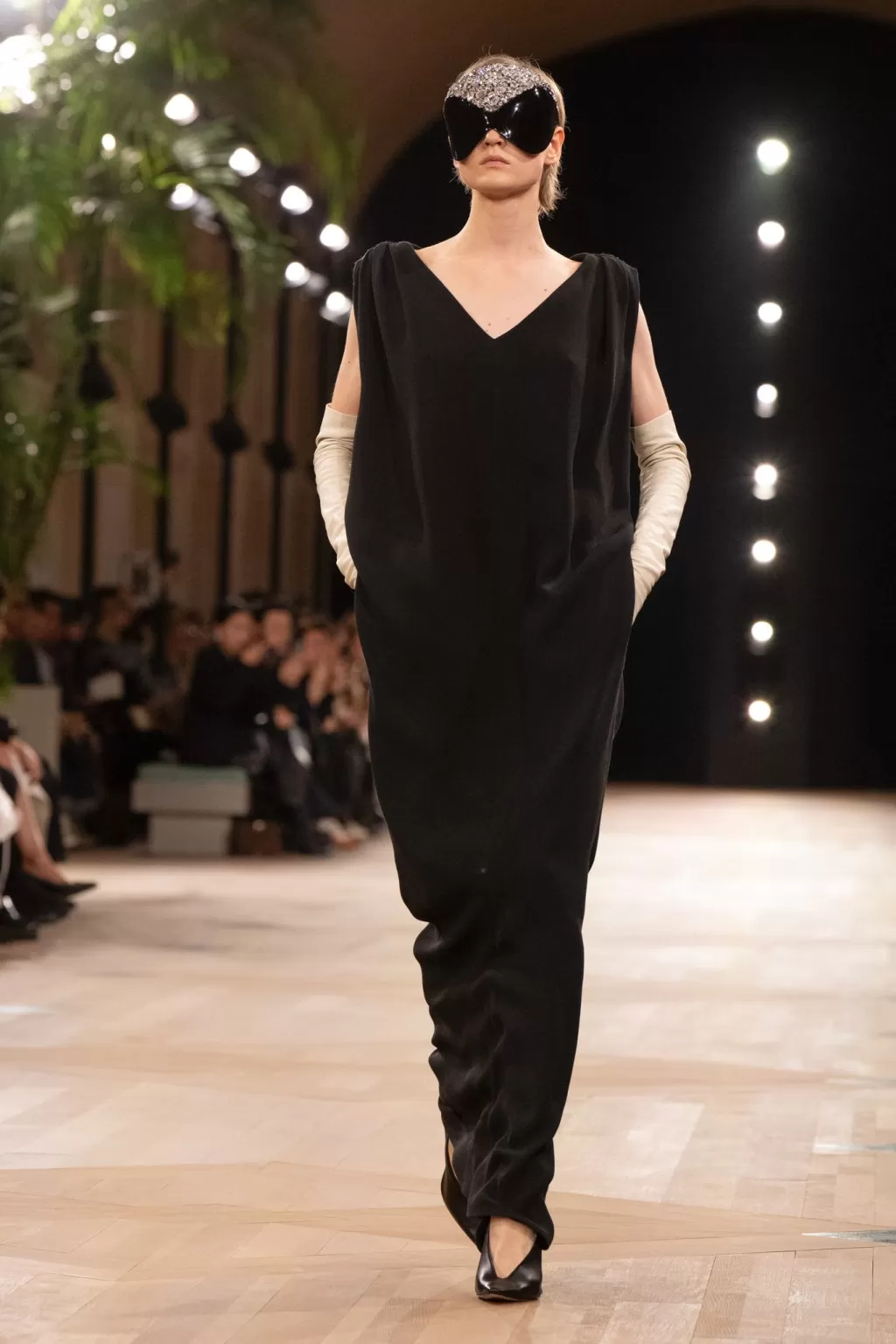
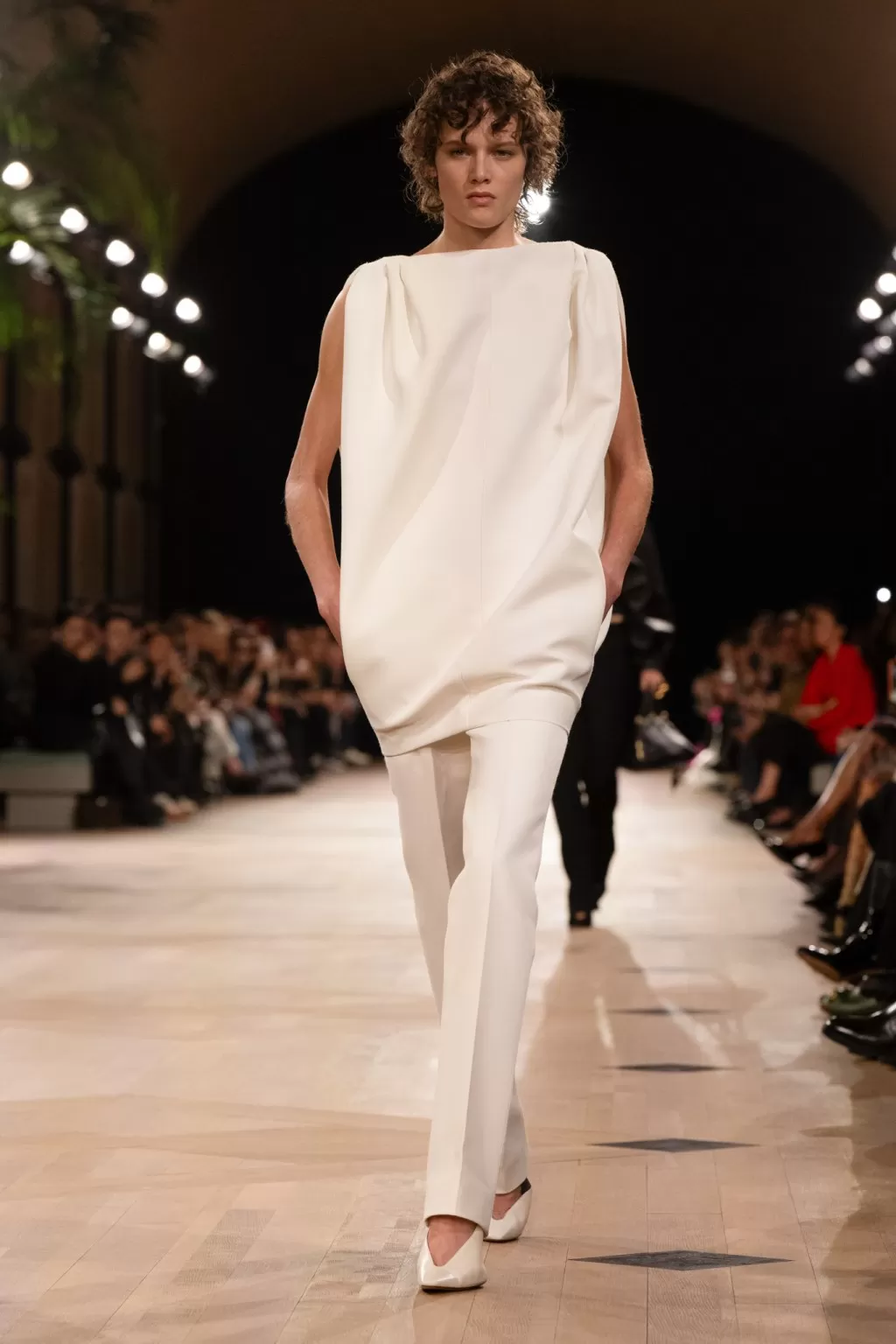
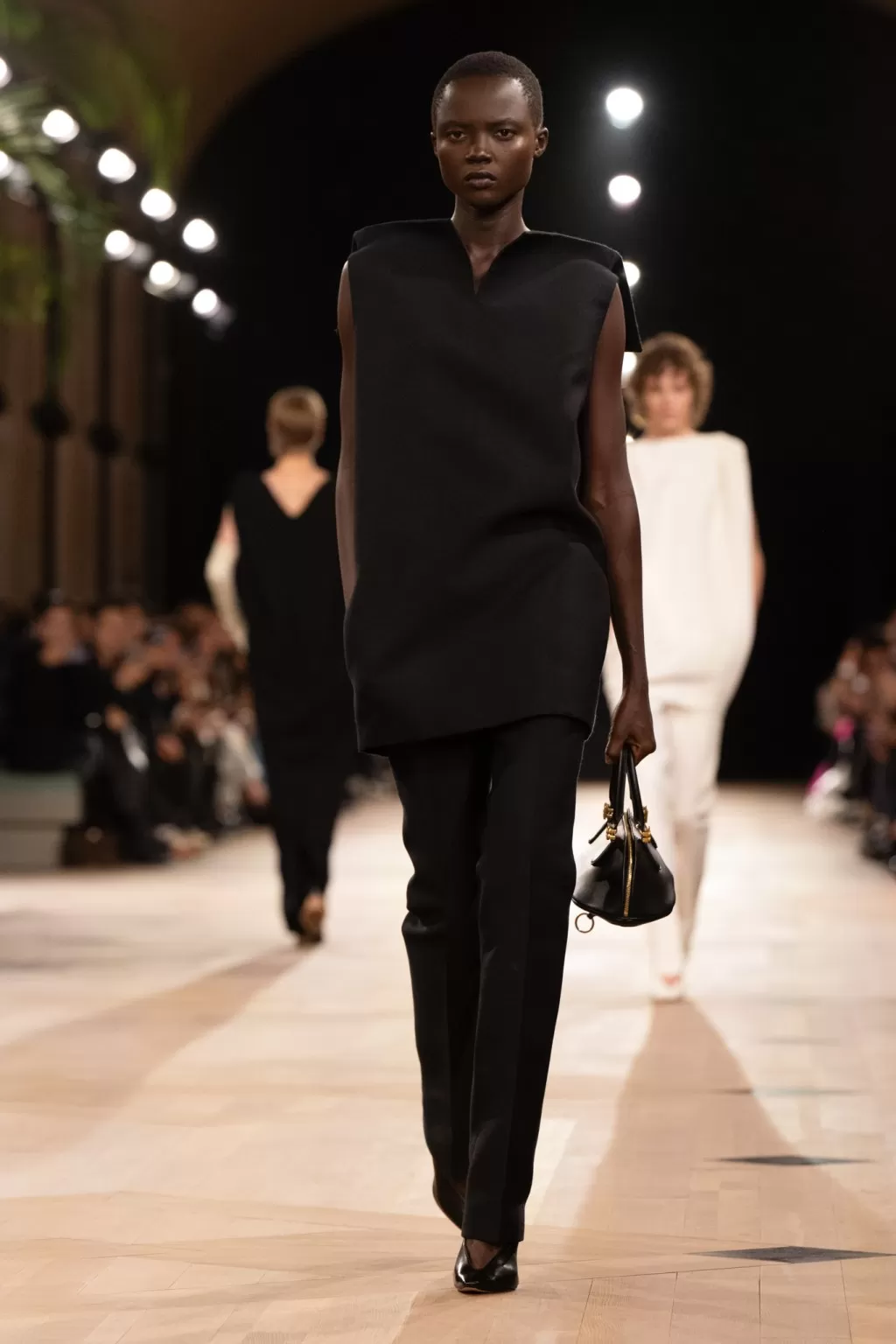
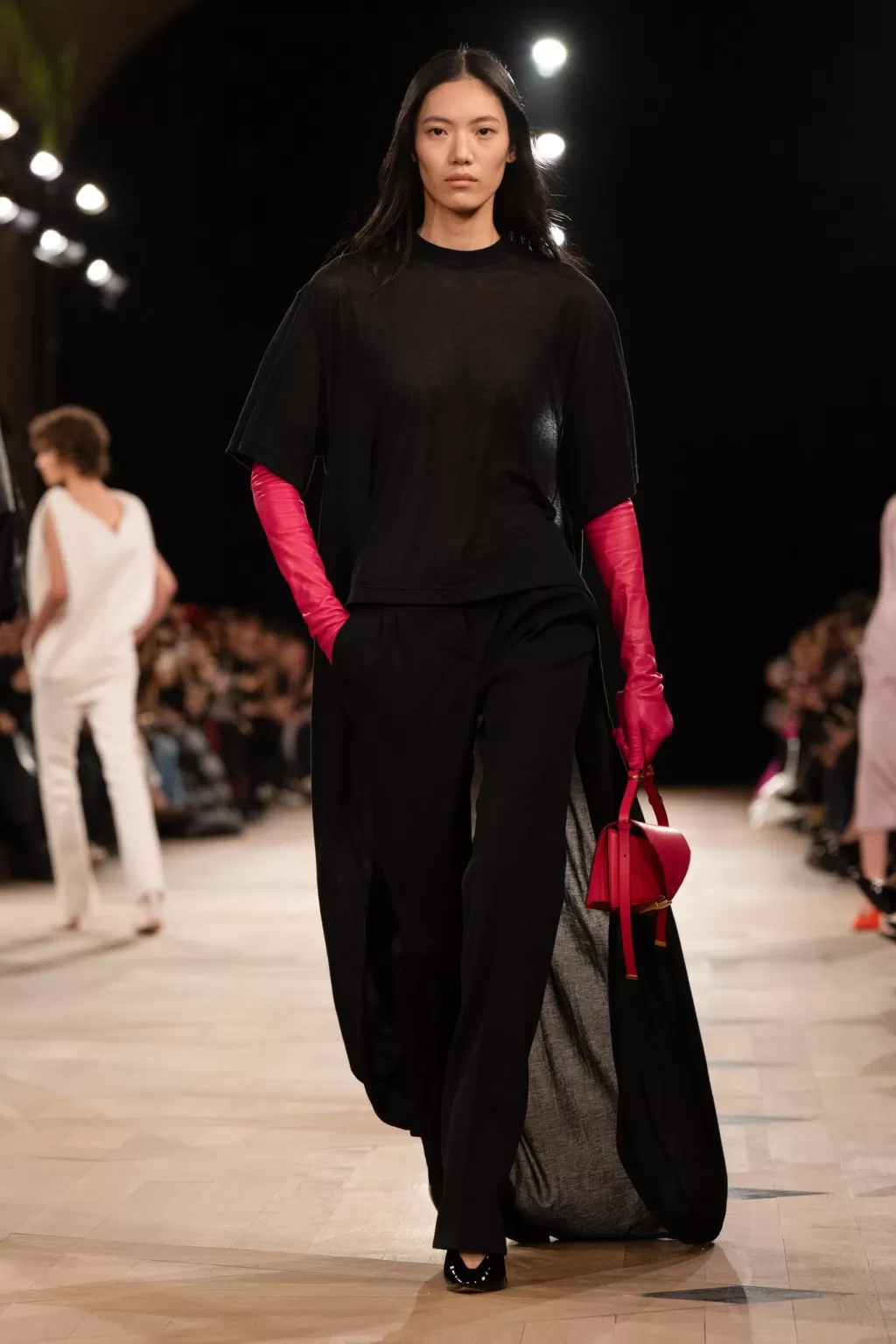
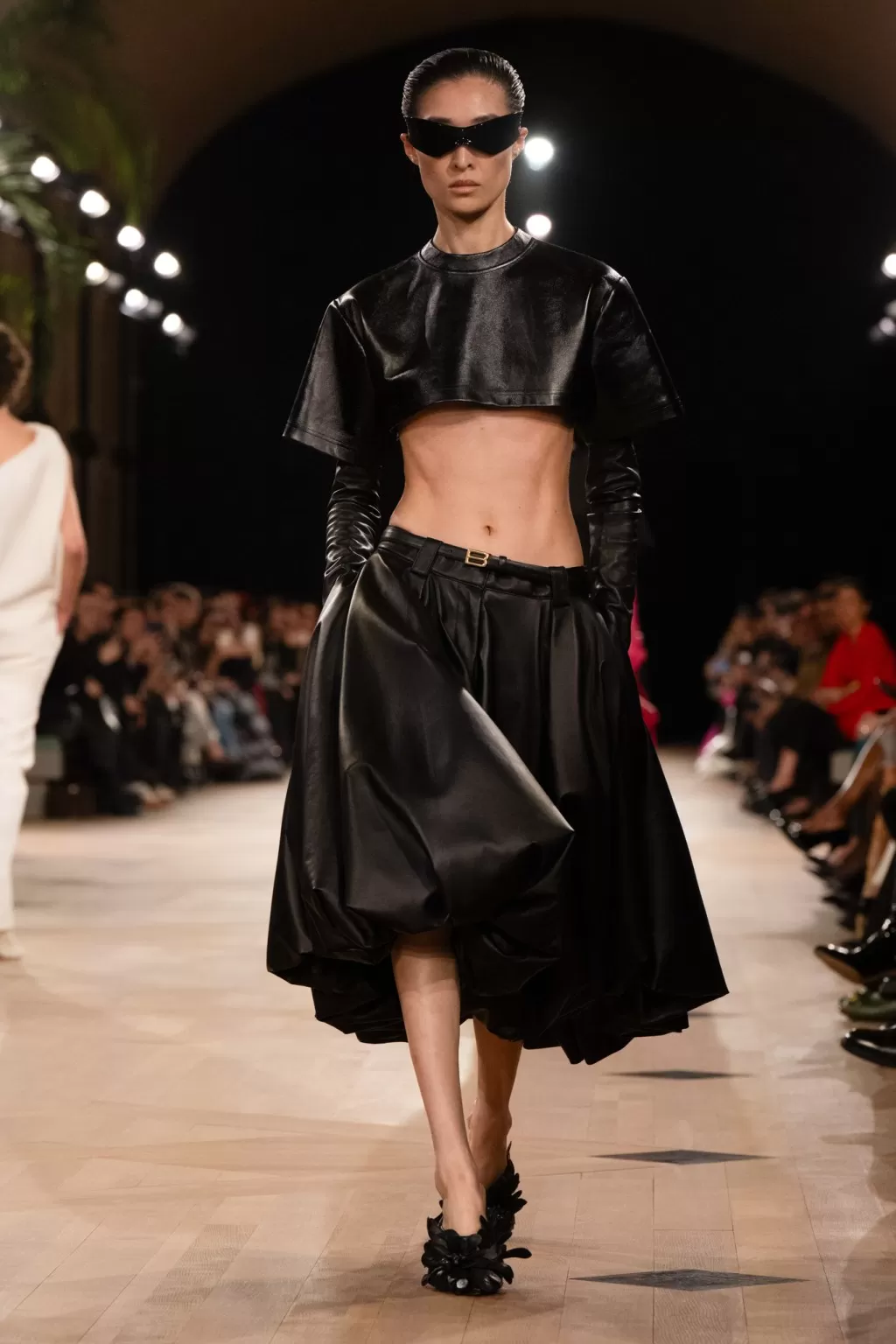
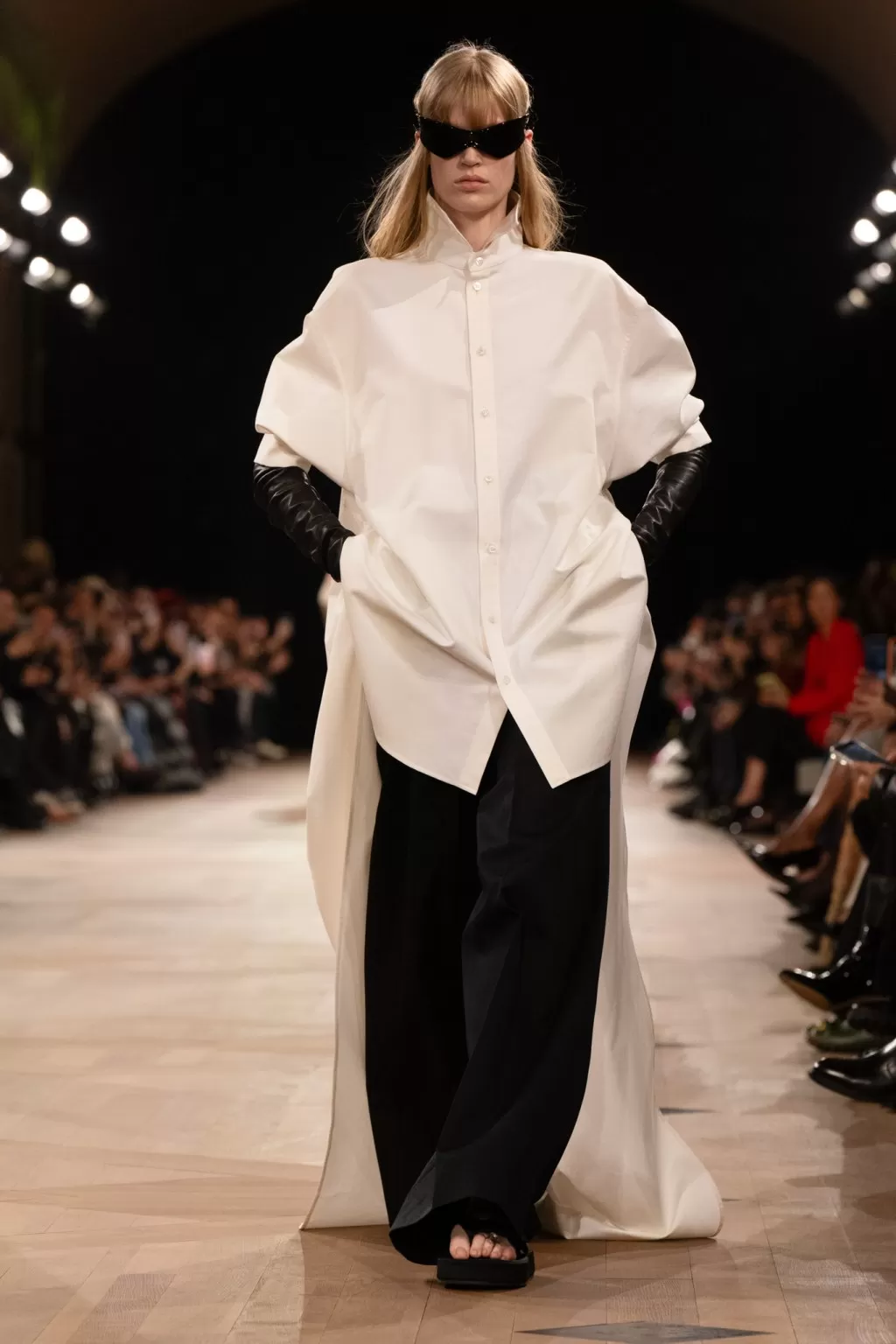
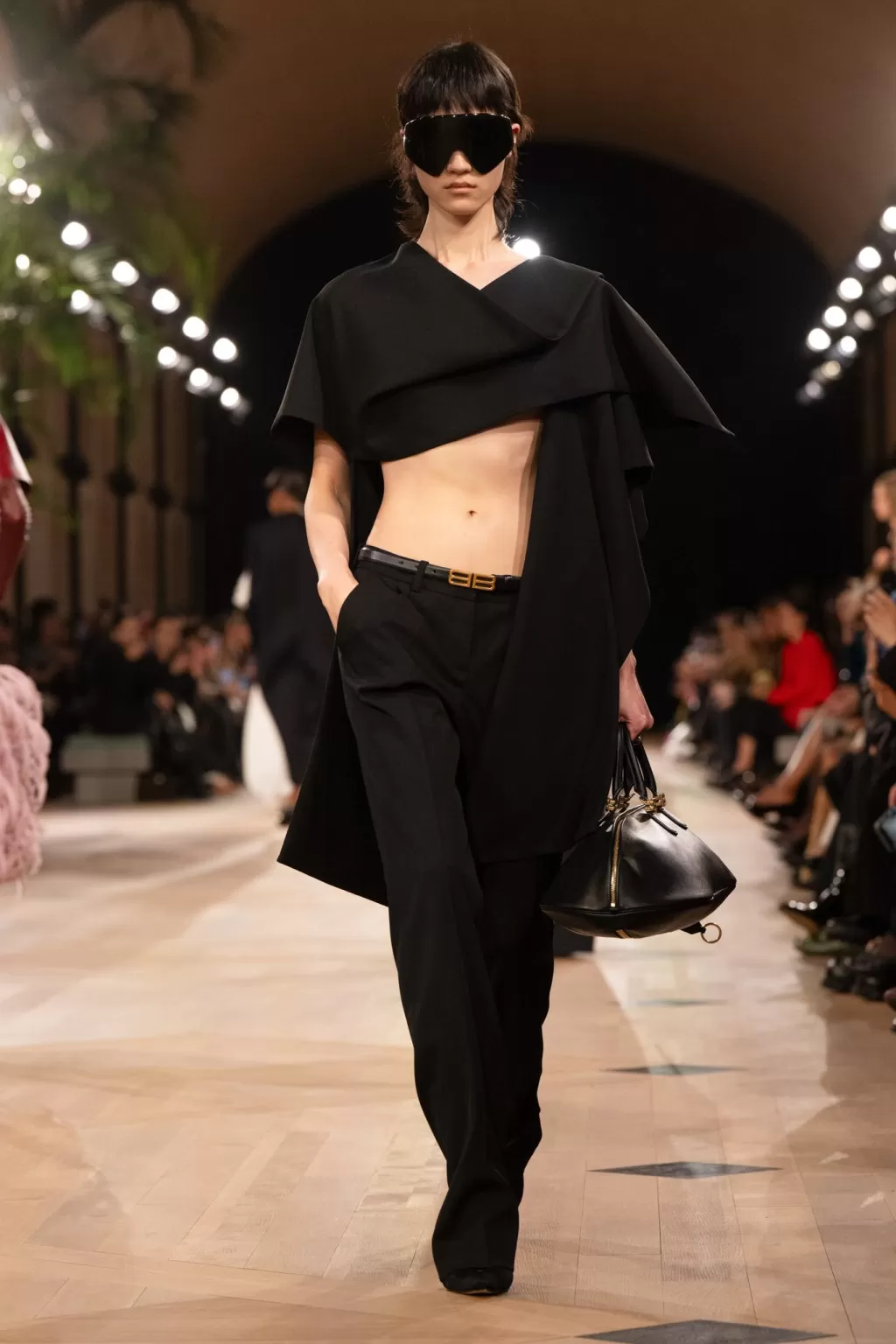
Piccioli reimagined iconic pieces from the house’s archives, such as the legendary 1967 bridal dress — transformed into a T-shirt, a crisp white shirt, and a black leather cape — alongside balloon silhouettes that returned in sculptural black leather skirts and dresses. He also blended Balenciaga’s classical elegance with Demna’s urban edge through oversized denim and khaki Bermuda shorts, as well as wide-legged jeans dragging underfoot.
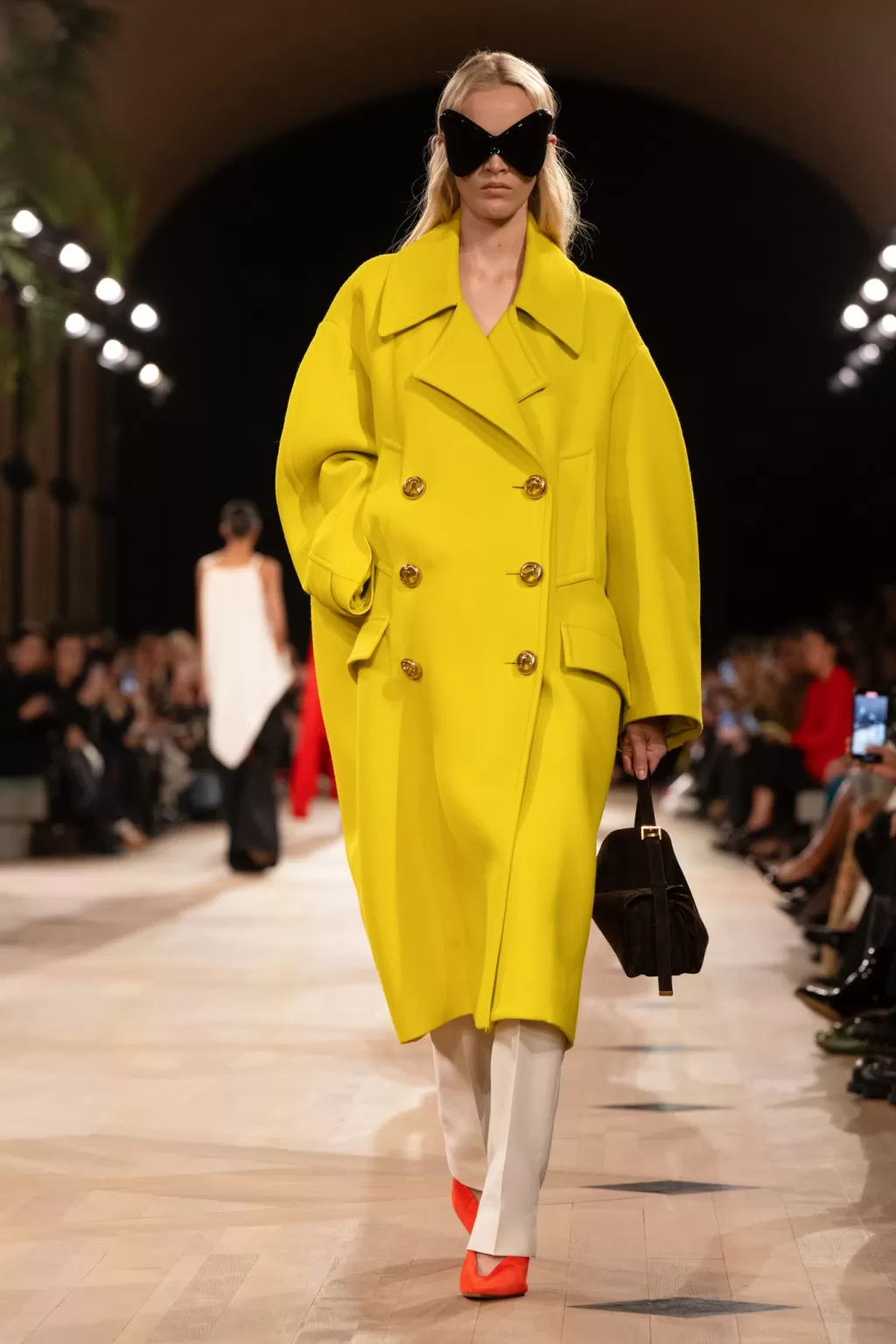
Echoes of the Ghesquière era were present in tall riding hats, egg-shaped coats with oversized buttons, and updated versions of the iconic Le City Bag, the original “it bag” launched in 2001. Yet Piccioli’s unmistakable signature dominated the runway: sculptural silhouettes, restrained sensuality, and a masterful use of colour.
After his departure from Valentino, Piccioli made a powerful return by reviving the 1957 sack dress — a radical piece that freed women from rigid, corseted shapes. “That dress remains relevant because it symbolises freedom,” he said after the show.
Balenciaga’s Spring 2026 collection reaffirms Cristóbal’s enduring influence, bringing back gazar-inspired fabrics that balance structure with lightness. It’s a dialogue between reverence and renewal — positioning Piccioli as the ideal guardian of the maison’s next chapter.
-380x380.webp)

-380x380.webp)