
Michael Jackson’s daughter criticises the film ‘Michael’ and challenges its accuracy, pointing to inconsistencies and an idealised narrative.
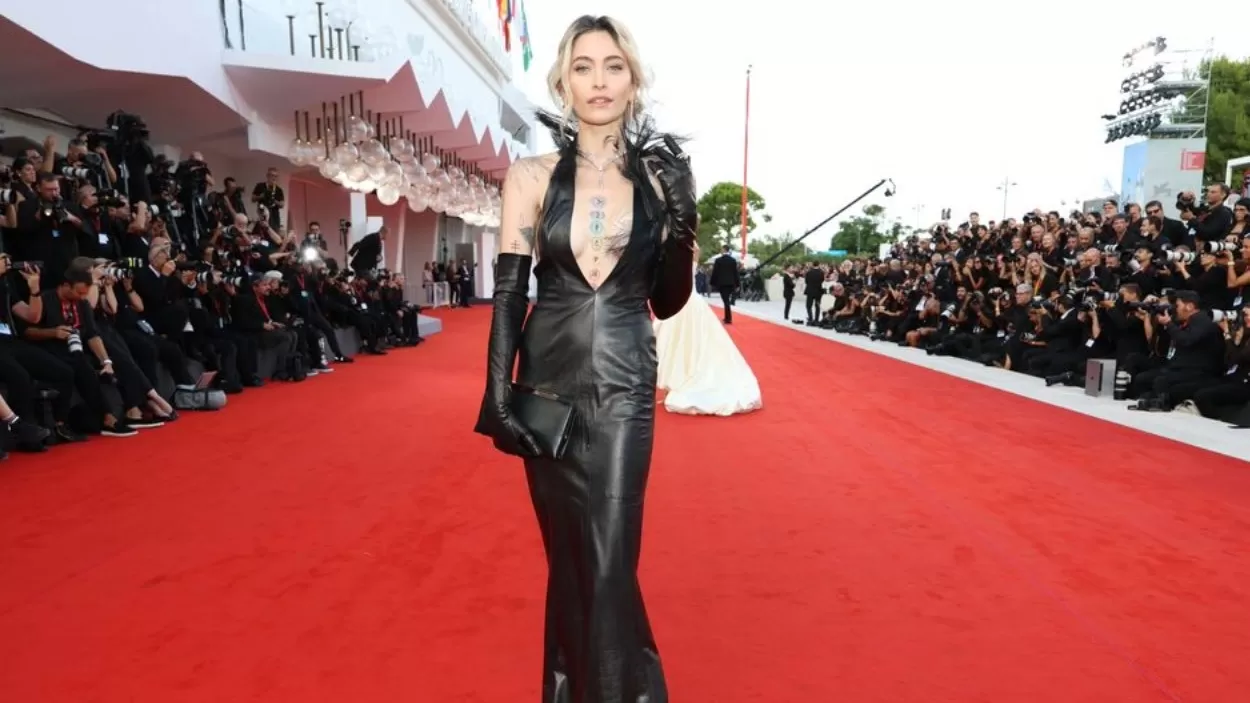
The release of the highly anticipated biopic ‘Michael’, centred on the life of the King of Pop, has reignited global interest in Michael Jackson’s legacy, but it has also sparked fresh controversy. This time, the focus is not on Jaafar Jackson’s performance or Antoine Fuqua’s direction, but on the statements made by Paris Jackson, who has openly questioned the film’s approach and its commitment to reality.
More than 16 years after the artist’s death, his legacy continues to generate conversation, and this authorised production was expected to become one of the most significant tributes to his career. However, his daughter’s words have introduced a critical perspective that shifts the narrative. Rather than supporting the project, Paris Jackson was unequivocal: “These biopics are Hollywood. It’s a fantasy world. It’s not real, but they sell it to you as if it is.”
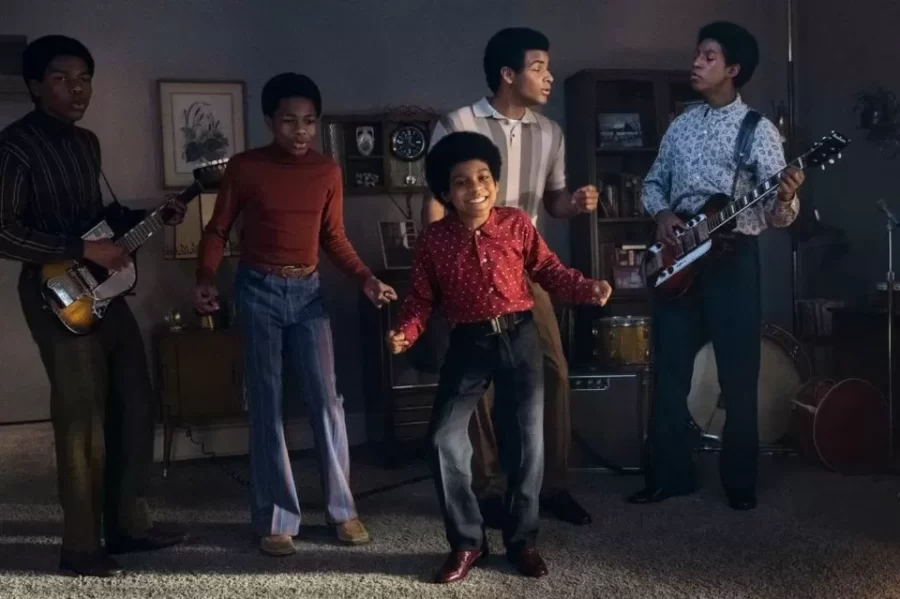
The artist has argued that much of what is portrayed in the film is “sanitised”, insisting that the story leans more towards a commercial construction than an authentic portrayal. “The story is controlled, there are many inaccuracies and many outright lies,” she stated, questioning the film’s credibility. Her comments reopen a recurring industry debate: to what extent biopics sacrifice truth in favour of narrative impact.
As she explained, her distance from the project is not recent. Paris Jackson revealed that she had access to an early draft of the script and even provided feedback on elements she considered misleading. However, her involvement ended there. “I spoke, but I wasn’t heard,” she said, making it clear that her perspective was not incorporated into the final version of the film.
This lack of dialogue ultimately led her to fully dissociate from the project. “That’s not for me. I don’t like dishonesty,” she explained, emphasising that her stance is rooted in principle rather than emotion. She also clarified that her criticism should not be interpreted as a rejection of her father. “A lot of people say I hate my father or hold resentment… that’s not true,” she noted, reinforcing that her position is based on defending honesty over commercial storytelling.
The controversy deepens when considering that ‘Michael’ is an authorised production, meaning there is direct control over how the story is told. This has raised questions among audiences, particularly after it emerged that other key members of the Jackson family also chose to remain uninvolved. Janet Jackson’s absence from the project, and her decision not to participate, has become one of the most talked-about aspects following the film’s release.
This is not the first time Paris Jackson has spoken out about the biopic. During earlier stages of development, she had already expressed concerns about how the story was being shaped. At the time, she also responded publicly to claims that she had been actively involved in the production. “Don’t go around saying I was ‘very helpful’ on a film I had absolutely nothing to do with,” she said, firmly setting the record straight.
The case of ‘Michael’ once again brings into focus a key issue within contemporary cinema: the balance between storytelling, legacy and truth. As the film continues its run at the box office, Paris Jackson’s comments add a new layer of complexity to the narrative. Her message does not aim to deter audiences, but rather to offer an alternative perspective. “Go watch it, enjoy it, do what you want, but leave me out of it,” she concluded.