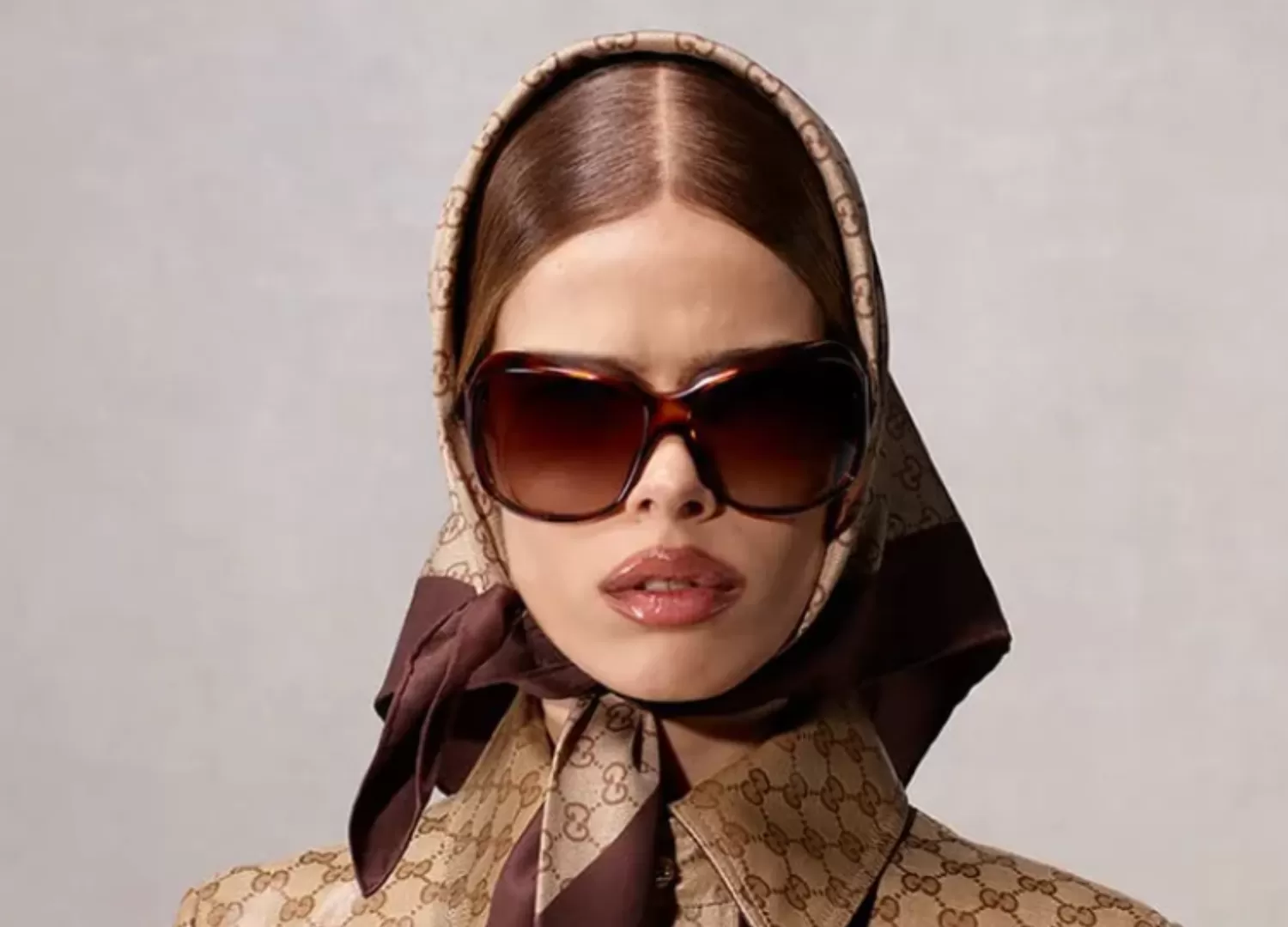

The first Demna collection for Gucci has officially arrived in stores, transforming the house’s legacy into a language of identity, character and contemporary presence.
Since joining Gucci in 2025, Demna made it clear his debut would not follow a conventional path. La Famiglia, first unveiled in September as a conceptual project, now fully materialises with its global retail launch and online release. More than a seasonal collection, it operates as a manifesto: Gucci understood as a system of cultural, social and aesthetic codes, activated through attitude rather than chronology.
Instead of reading the archive as a linear timeline, Demna approaches the house’s history as a visual language built on recognisable archetypes. The initial presentation centred on portraiture, introducing figures such as the Primadonna, the Sciura and the Galleria—social roles rather than outfits. The message is explicit: fashion does not merely dress bodies, it constructs power and position.
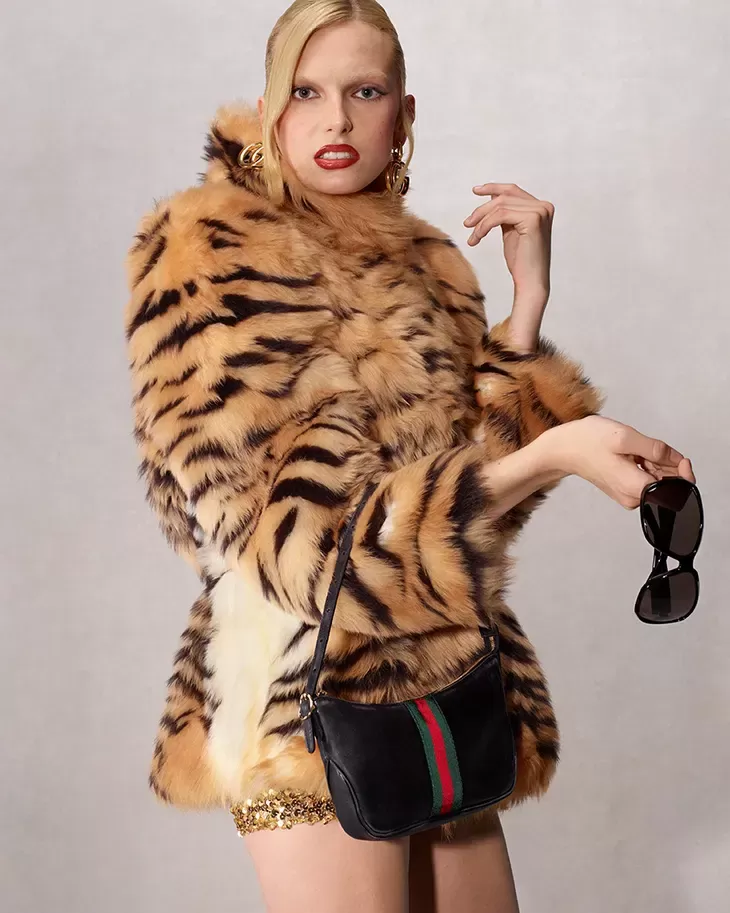
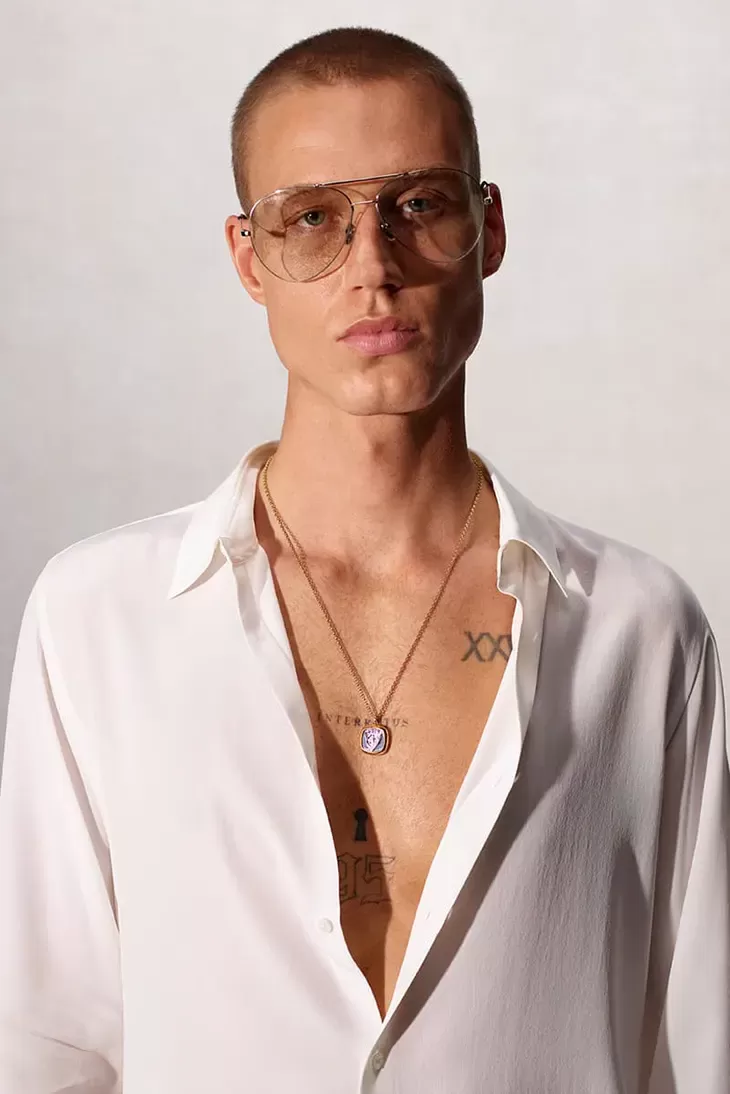
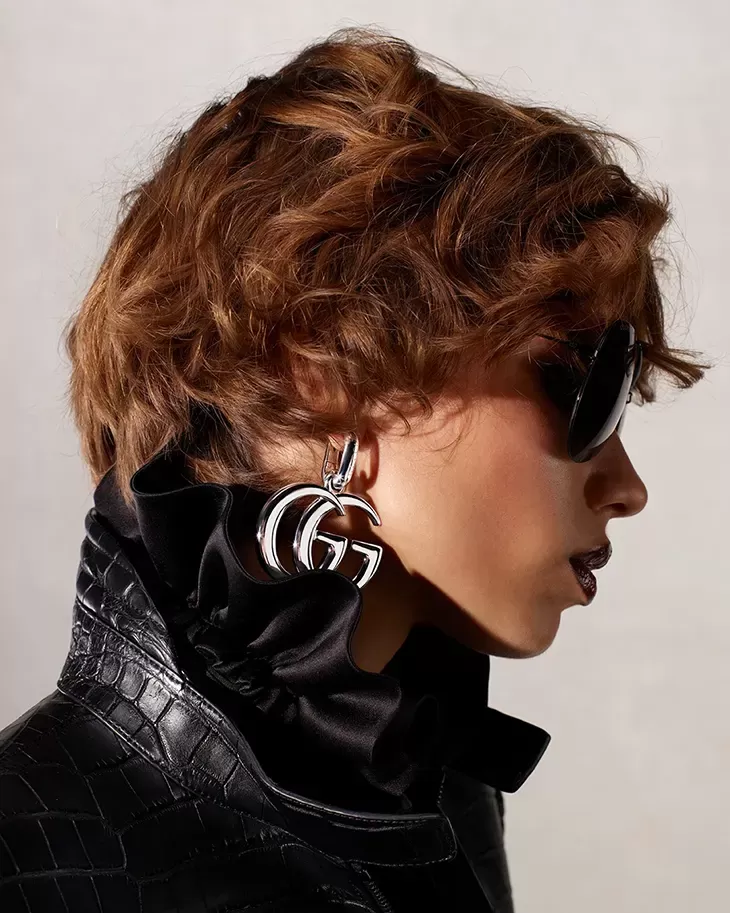
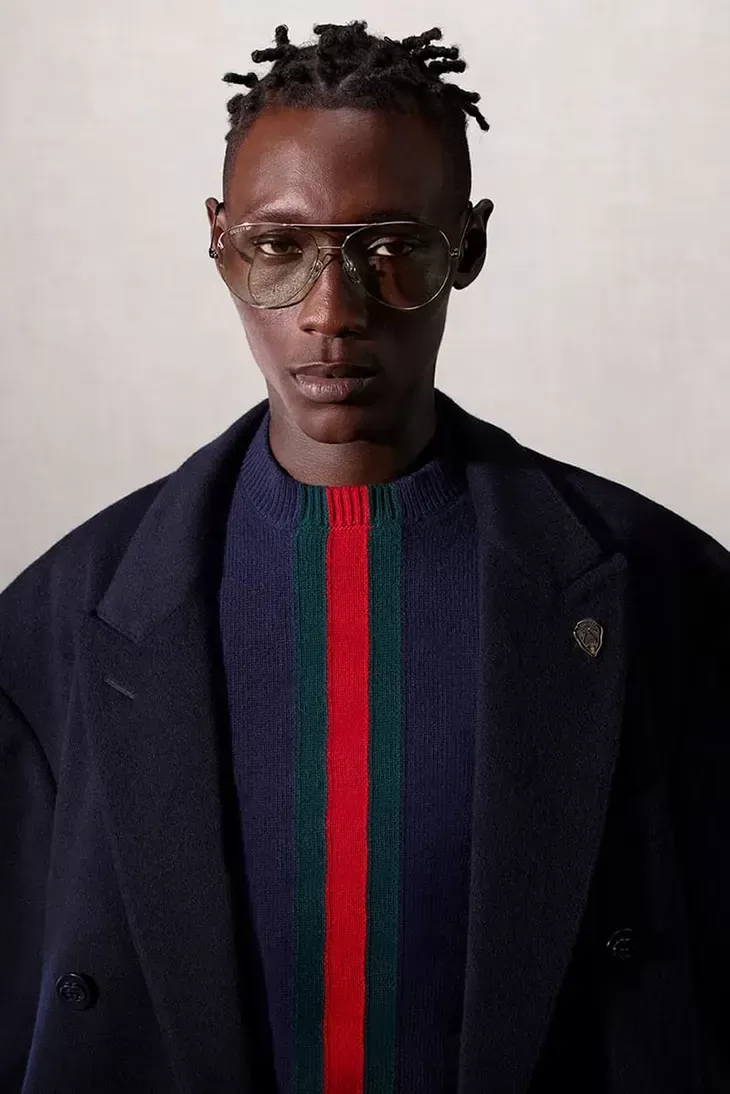
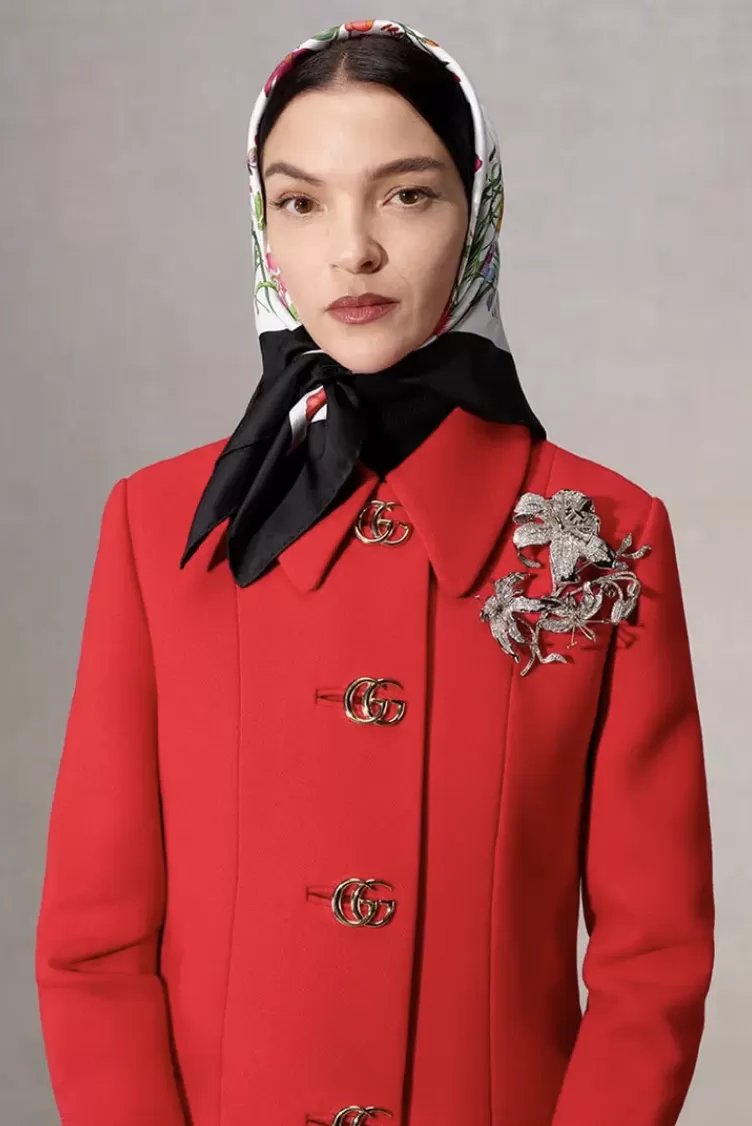
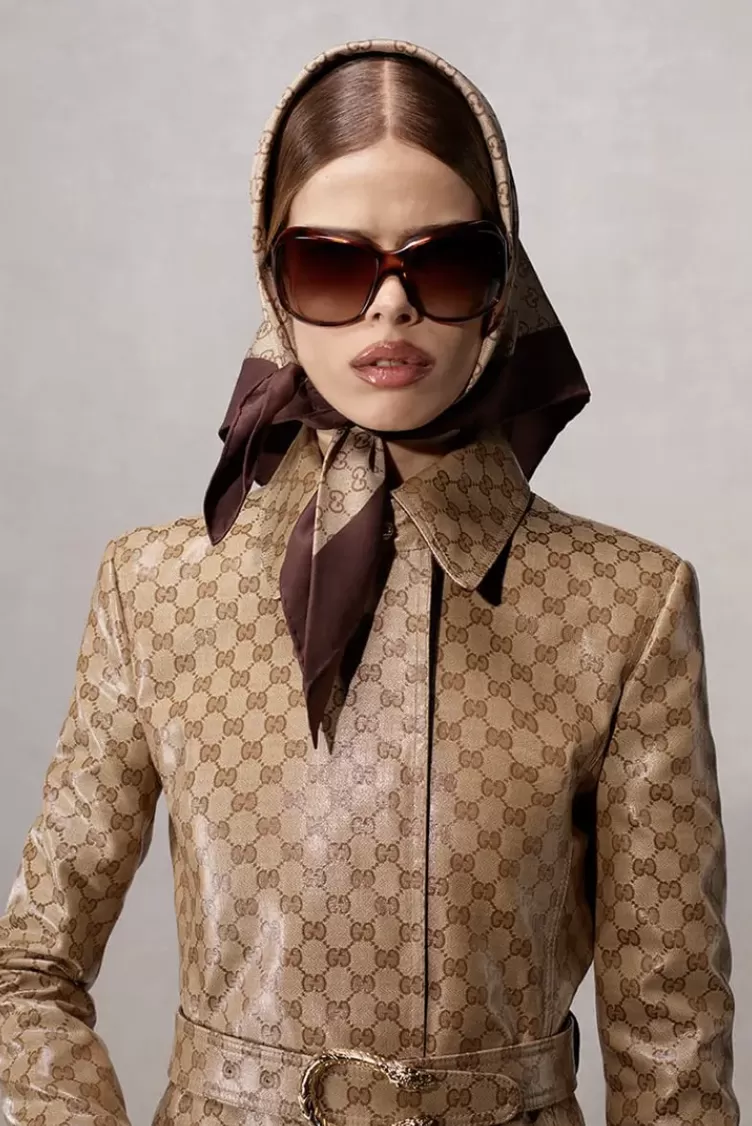
That universe expanded through the short film ‘The Tiger’, directed by Spike Jonze and Halina Reijn, starring Demi Moore, Keke Palmer, Edward Norton and Elliot Page. The film amplified the collection’s psychological dimension, highlighting tensions between control, desire and representation.
Even before reaching retail, La Famiglia circulated through carefully placed celebrity appearances. Dua Lipa wore a khaki GG monogram set, Kim Kardashian appeared in a cinched fur coat with a chain belt, and Dixie D’Amelio previewed a pared-back all-black look. The collection proved its ability to inhabit current culture without relying on a traditional runway format.
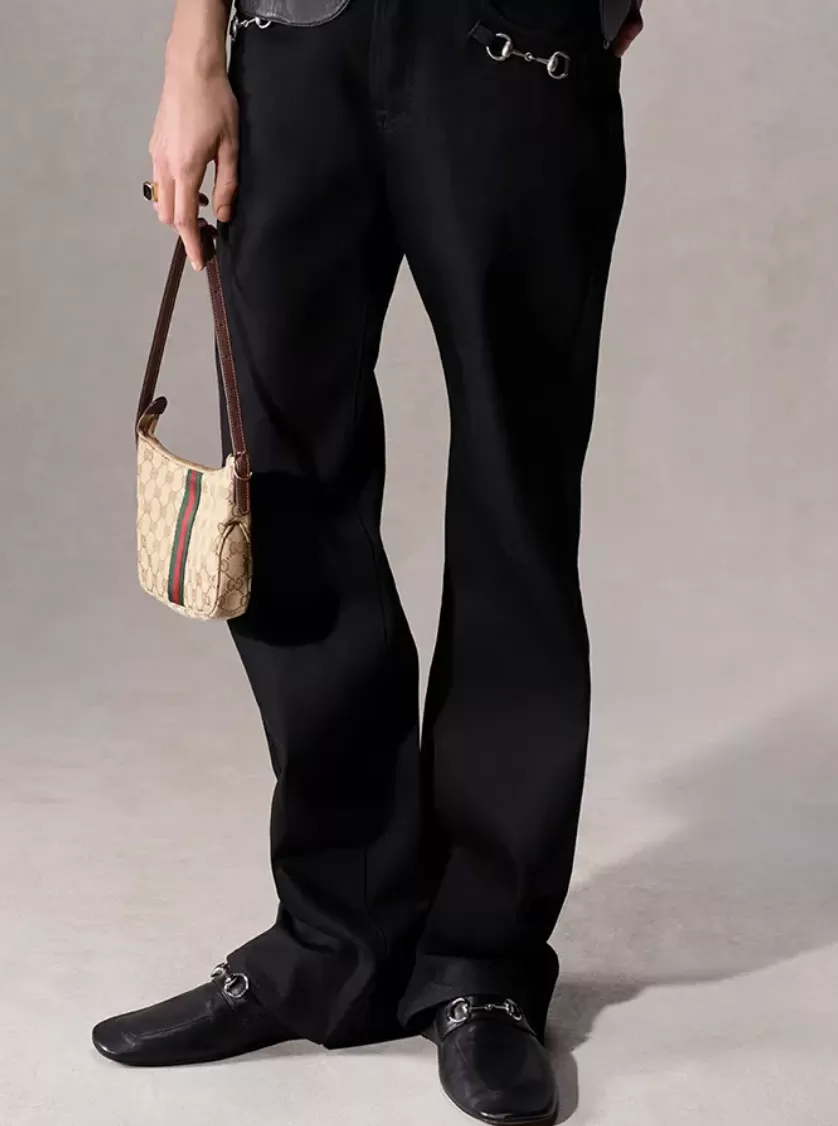
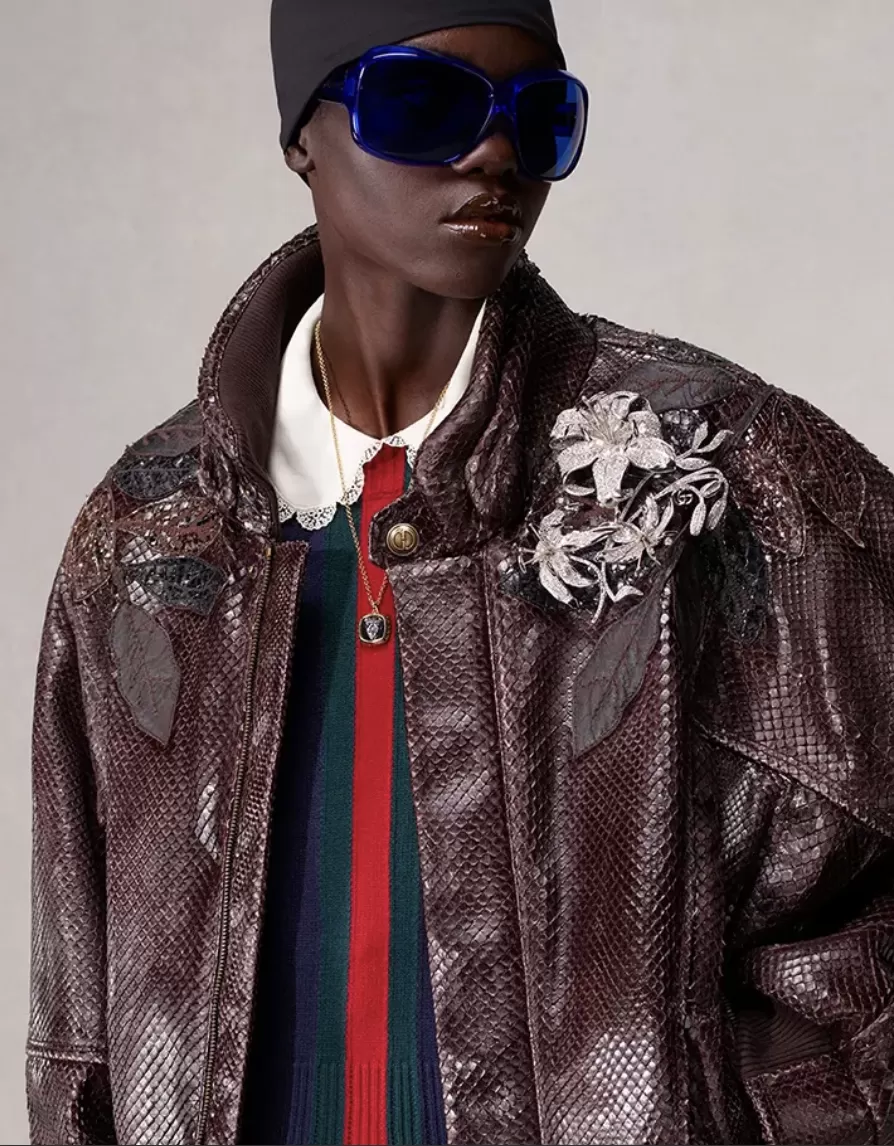
With its arrival in stores, attention shifts to the garments themselves. The silhouettes carry signatures associated with Demna’s decade at Balenciaga: oblong and ballooned sleeves, sculptural collars, controlled volume and a subverted femininity balancing strength and vulnerability. Each piece is designed to be reinterpreted within a personal wardrobe—not as uniform, but as an expressive tool.
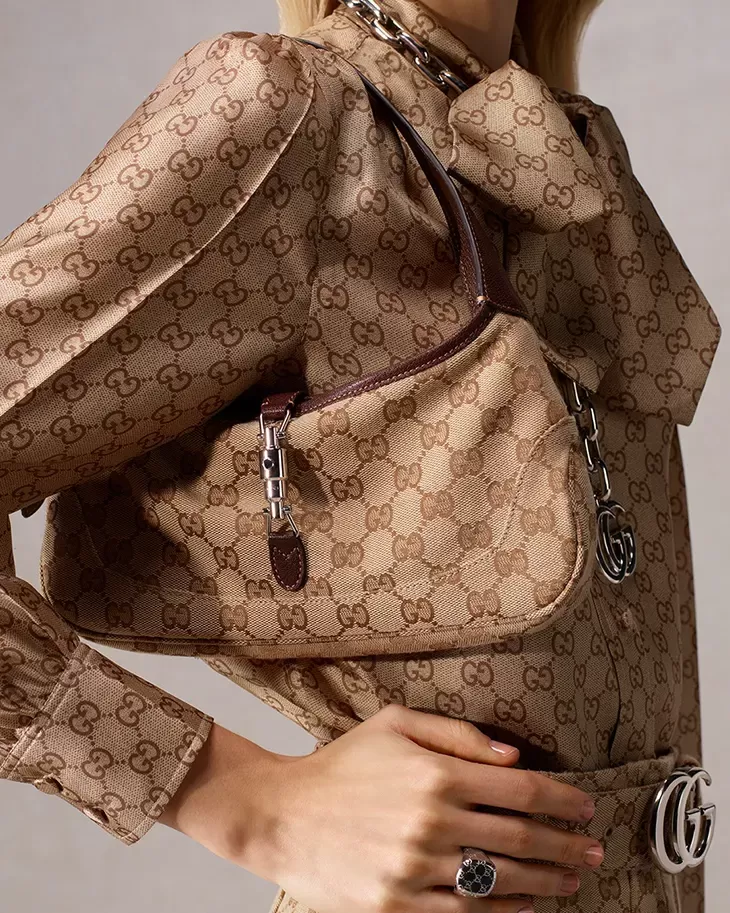
At the same time, Demna engages directly with the Gucci archive. The Gucci Bamboo 1947, the Flora motif and the GG Monogram reappear through updated treatments rather than literal nostalgia. References to past creative eras are embedded in form and styling: sleek, sensual leather recalls Tom Ford’s tenure, while sheer gowns with florals and feathers nod to Alessandro Michele’s theatrical language.
The result is a collection that is deliberate, expressive and unapologetic. The past is not replicated—it is rewritten. La Famiglia does not seek consensus or aesthetic comfort; it frames fashion as a direct reflection of personality, status and symbolic power. With this first retail statement, Demna makes one thing clear: his Gucci is not a sum of trends, but an architecture of identities poised to define a new era for the Italian house.


-380x380.webp)
-380x380.webp)