
Jeff Bezos’ involvement in the 2026 Met Gala sparks debate over power, politics and the future of fashion’s most influential event.
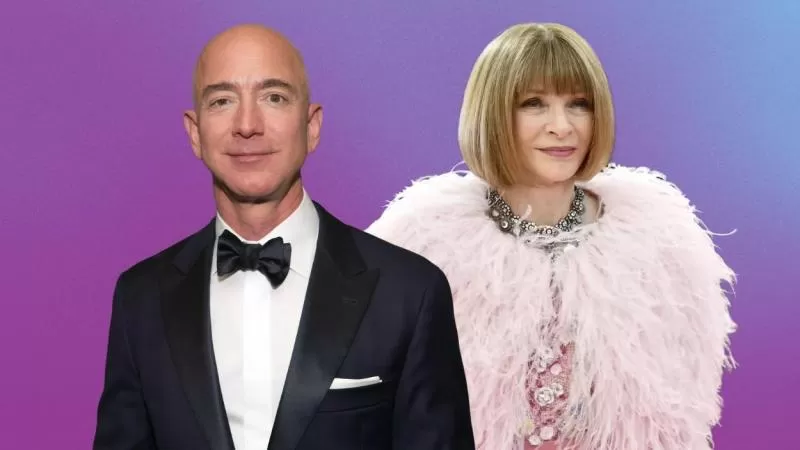
Fashion’s biggest night arrives surrounded by a controversy that now extends far beyond the red carpet. The Met Gala 2026 takes place tonight in New York, yet this year the spotlight is not solely on style. The involvement of Jeff Bezos as an honorary chair and one of the event’s main financial backers has triggered an uncomfortable conversation about the role of economic — and political — power within the industry.
The Amazon founder, alongside Lauren Sanchez, will not only appear on the steps of the Metropolitan Museum of Art, but has also been identified as a key figure in the financial momentum behind this edition. A move that, rather than reinforcing the event’s prestige, has sparked criticism within the cultural ecosystem itself.
Because the question is no longer just who funds the gala, but what it represents.
In recent weeks, several voices have questioned Bezos’ relationship with US governmental institutions, particularly regarding the supply of technology and infrastructure to agencies such as Immigration and Customs Enforcement. This connection has drawn backlash from parts of the cultural and media landscape, who see it as incompatible with the progressive narrative the Met Gala has historically sought to project.
The impact has been significant. New York’s current mayor, Zohran Mamdani, has confirmed he will not attend the event, breaking with decades of tradition in the city. His decision has been interpreted both as a political gesture and as a sign of discomfort with the evolving context surrounding the gala.
Several celebrities have joined this stance, choosing not to attend this year, forming a list of absences that reflects a shifting perception of the event. (You can view the full list of absences here).
“The paradox is clear. Inside the museum, the exhibition ‘Costume Art’ explores marginalised bodies, identity and diversity within fashion. Outside, the gala faces criticism for its association with figures of economic power and contested structures.
This tension is not new, but it has never been more visible. As fashion historian Cally Blackman suggests, the event risks losing its core purpose: “The problem is that it’s no longer about fashion, but about publicity.”
With tickets reaching $100,000 and a massive global audience, the Met Gala remains one of the world’s most powerful showcases. Yet this year, that showcase reflects more than just couture — it exposes the contradictions of an industry navigating between culture, power and narrative.
Tonight, the red carpet will speak of fashion. But the real conversation is already happening beyond it.