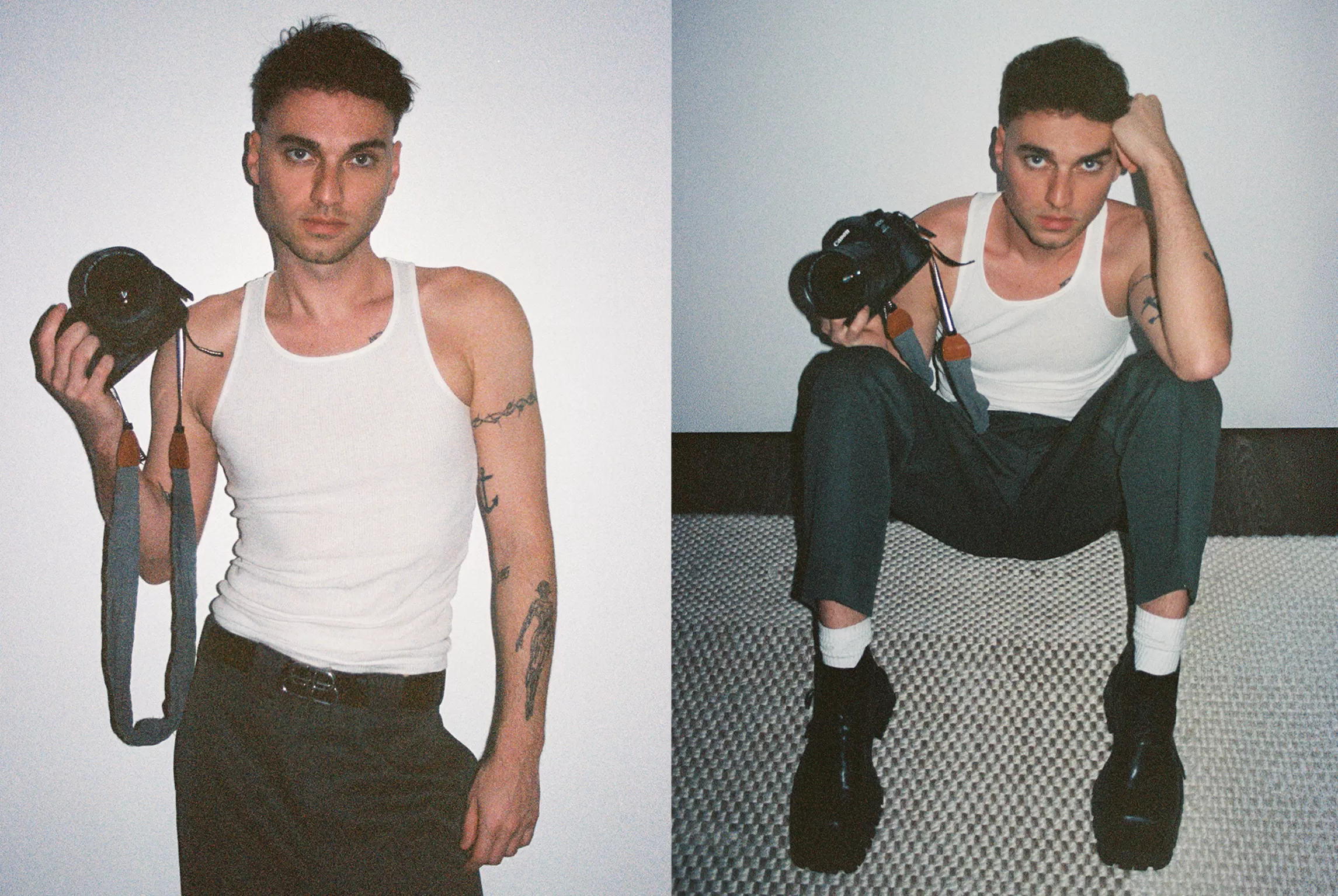

After photographing Xmag’s latest Caylee Cowan cover, Dylan Perlot reflects on fashion, emotion and the instinct behind unforgettable images.
For Dylan Perlot, a photograph is never just a polished surface. It is a collision between instinct, construction and feeling. Having worked with international publications and artists including Kim Petras, Julia Michaels and Tom Ellis, he understands photography as a form of emotional connection rather than simple exposure. “I think the fact that people from different parts of the world can resonate with your images makes you feel like you’ve reached a much bigger audience,” he reflects. For him, global recognition is less about geography than reach: the possibility that an image created in one place can move someone somewhere entirely different.
That instinct has also shaped some of his most ambitious commercial projects. Last year, Perlot photographed a campaign for Harley-Davidson under the creative direction of Nicola Formichetti, a collaboration he describes as a personal milestone. Growing up in the French countryside, working with Formichetti once felt like a distant fantasy. Years later, the dream became a demanding shoot in upstate New York, with four talents, a full crew, extreme heat, humidity and sudden rain. “As with every campaign project, there is always stress and high stakes, but I also reminded myself that I was doing what I love most: creating images alongside talented creatives.” What could have been a complication became part of the final atmosphere: rain-soaked floors that worked perfectly for a Fall/Winter campaign.
Creatively, Perlot’s universe is built around duality. Darkness and lightness. Sharpness and softness. The theatrical force of fashion and the vulnerability of human emotion. “Storytelling will always be at the core of my work because it’s what gives me emotion while creating,” he explains. Fashion, in his vision, provides the wow factor, whether minimal or extravagant, but an image only becomes memorable when it carries something beneath the styling.
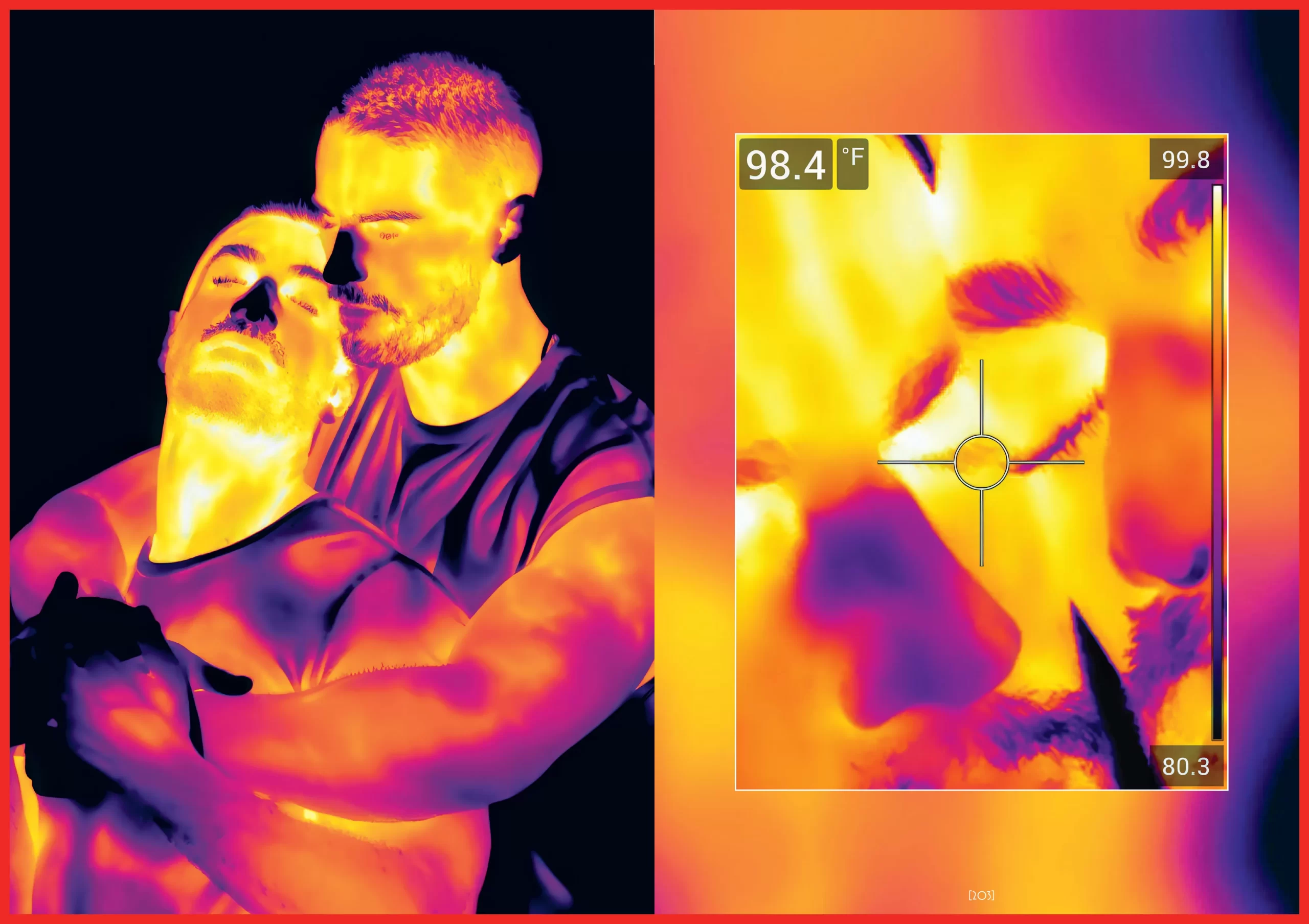
That search for emotion recently pushed him towards one of his most experimental editorials: a full print story for TAX Magazine shot with a thermal camera. The concept, titled ‘I’ll Burn for You’, explored love through temperature rather than traditional light. For Perlot, the challenge was both technical and intimate: how can heat, coldness and touch translate feeling? A hot shower, a refrigerator, the warmth of a hand against a cold back — all became part of the visual language. “It was a unique way to tell a story and visually evoke feelings we are all longing for: love, closeness, and intimacy.”
In a visually saturated industry, Perlot still believes identity comes from authenticity rather than algorithmic performance. The constant rhythm of social media can make every image feel temporary, but he resists measuring photography only through engagement. “At the end of the day, it’s just a tap on a screen. What really matters is whether you like what you created and whether it genuinely represents you.” It is a simple idea, but a radical one in an industry increasingly shaped by speed, visibility and instant reaction.
“I think creating a strong photograph requires both: the analytical mind and the heart.”
Dylan Perlot
His portfolio moves fluidly between large-scale commercial productions and more intimate artistic imagery, yet he does not see those worlds as separate. The commercial photographer thinks about how to present a product in the strongest possible way; the artist searches for emotion, message and atmosphere. For Perlot, the strongest photograph requires both impulses. “The analytical mind and the heart.”
That balance also explains his attraction to cinematic and transformative elements within fashion storytelling. He is currently developing a fashion story that blends editorial imagery with SFX makeup, introducing a more theatrical layer into the frame. “I always like to experiment,” he says. Creativity, for him, comes in waves, and new visual elements can reopen the process when familiarity starts to feel limiting. Prosthetics, transformation and heightened references allow fashion to move beyond beauty and become narrative.
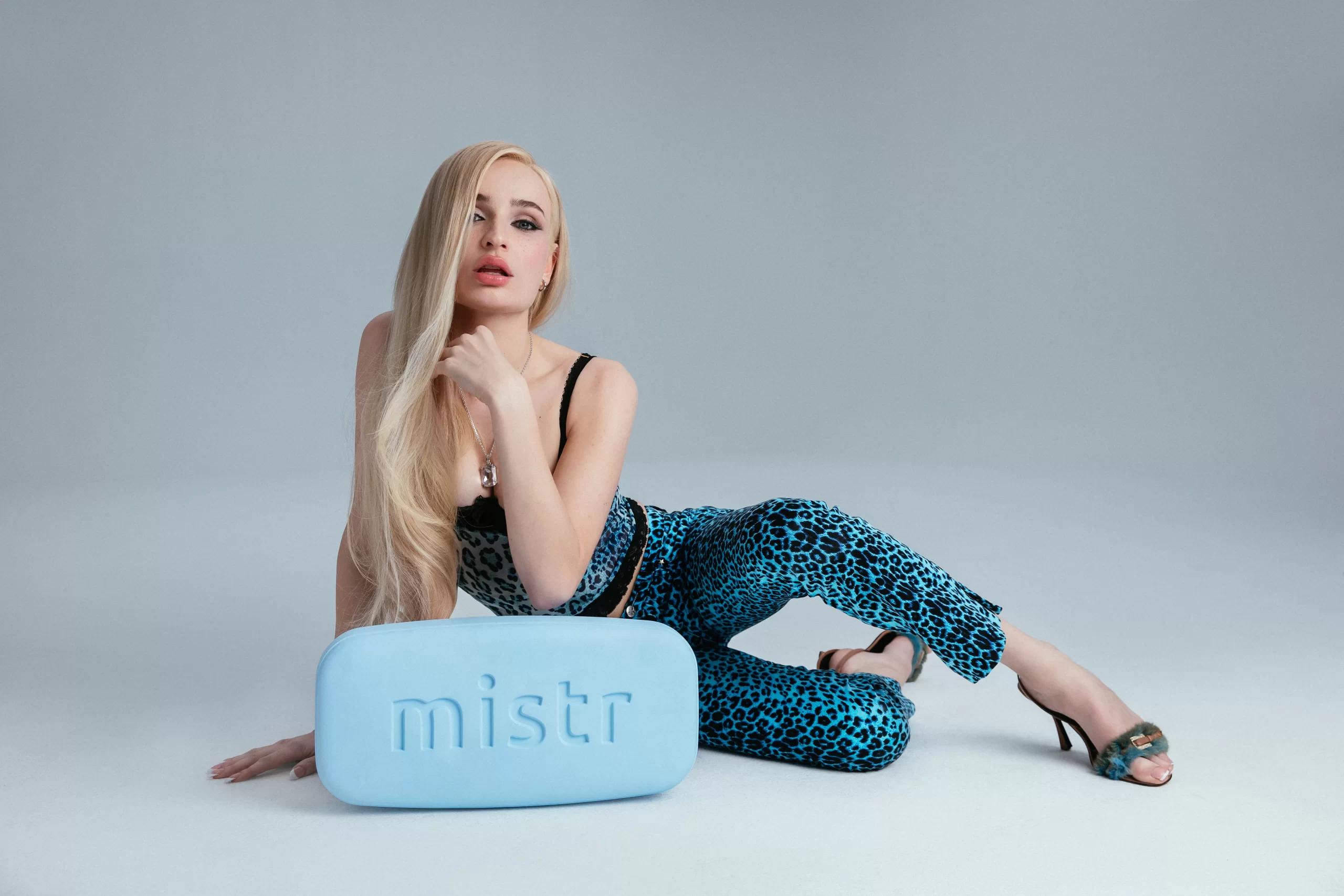
Even recognition from international photography and film festivals has not slowed his instinct to keep moving. “I think I’m always chasing what’s next,” he admits. The pressure to reinvent himself can be challenging, but he also recognises that every project, however different on the surface, still carries the same artistic essence.
As photography evolves alongside new technologies and artificial intelligence, Perlot remains both curious and cautious. He sees the ways AI can make certain processes easier, but he is resistant to fully artificial imagery because it removes the part of image-making he values most: the trial and error, the collaboration, the human presence on set and the community that forms around a shared creative goal. “I don’t think AI will ever replace the human element behind a photograph.”
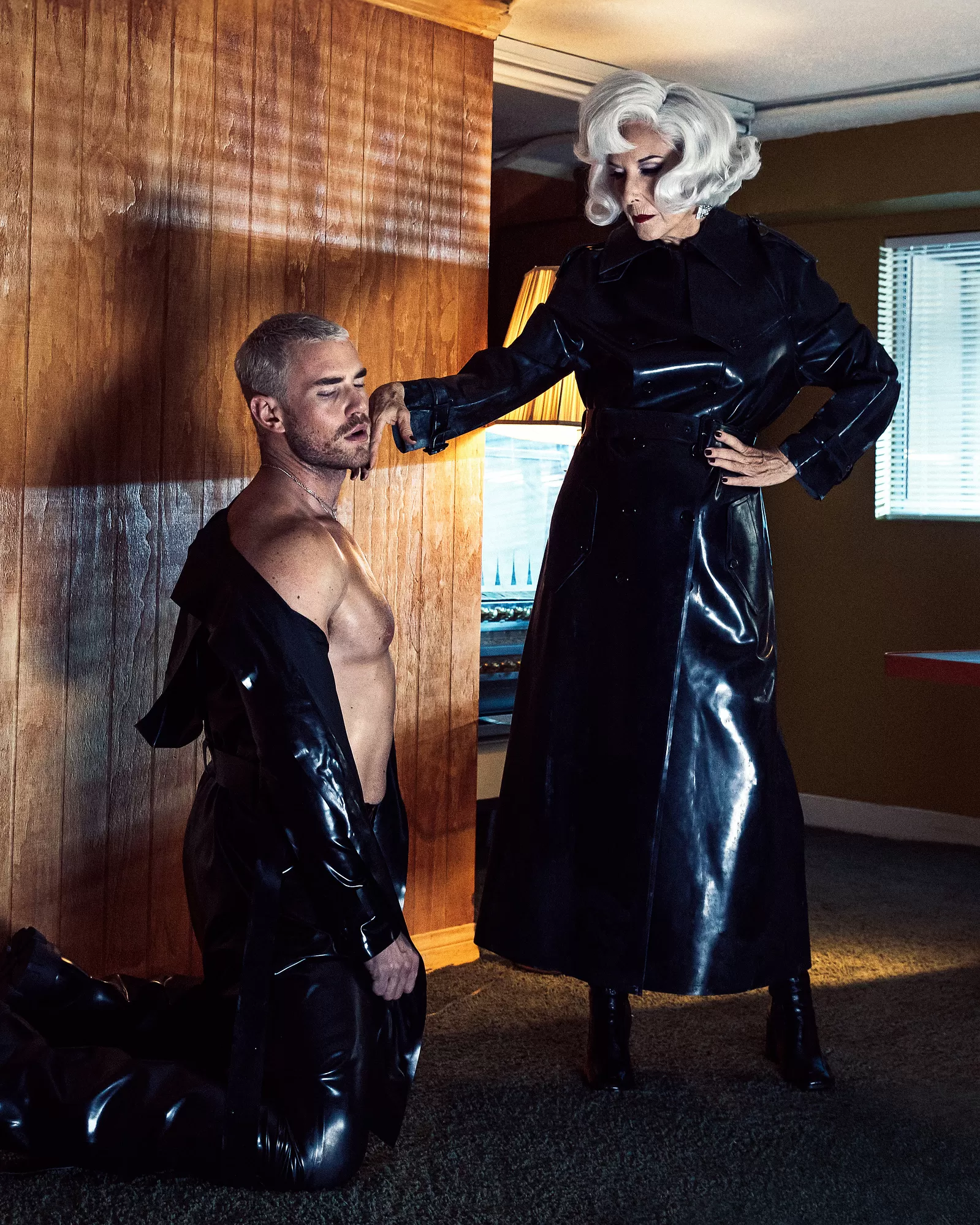
Perhaps that is why his images feel so connected to the present without losing their human charge. In Dylan Perlot’s work, fashion is not just styled, lit and captured. It is transformed into atmosphere: a language of contrast, intimacy and visual tension, shaped by an artist drawn to emotion and to the strange, fragile electricity of an image that stays.