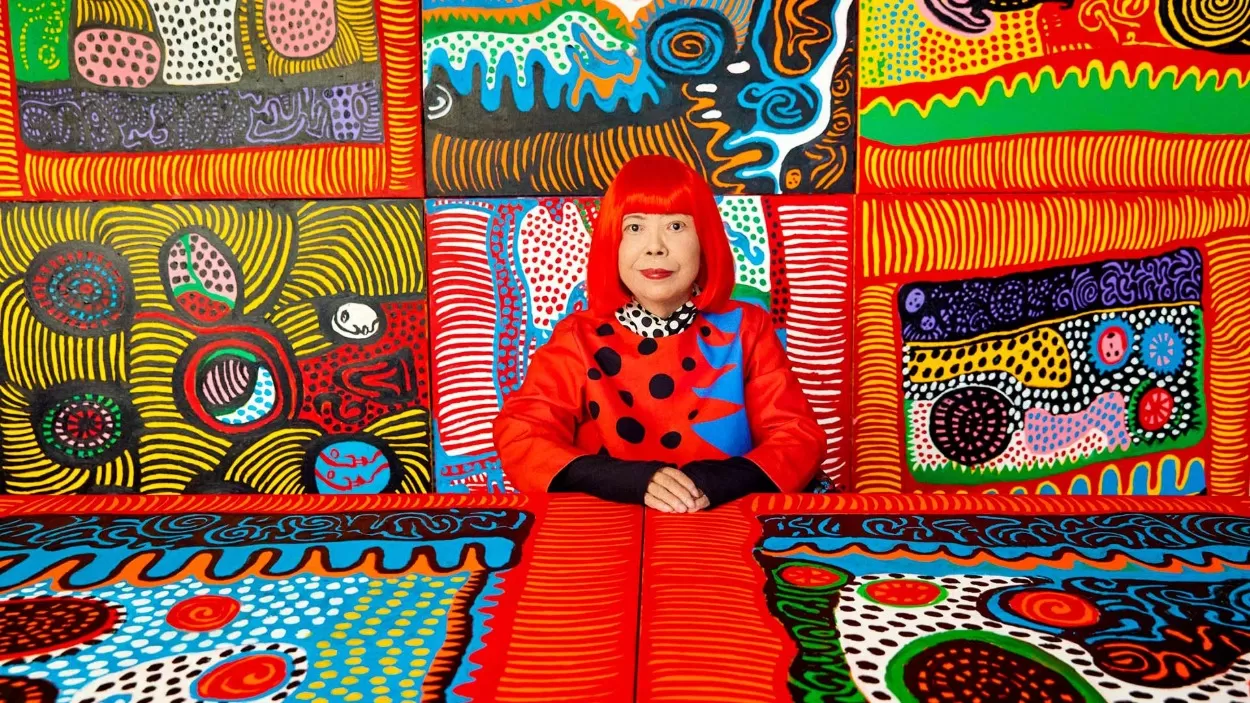


Yayoi Kusama has died aged 97 in Tokyo after a lifetime devoted to art, leaving behind a body of work that transformed contemporary culture.
The art world is mourning one of its most influential and instantly recognisable creators. Yayoi Kusama has died aged 97 at a hospital in Tokyo, bringing to an end an extraordinary career that established the Japanese artist as a pivotal figure in contemporary art and brought her unmistakable polka dots, pumpkins and infinite installations to museums around the world.
The news was announced on Wednesday, 26 August by the Yayoi Kusama Museum and the Yayoi Kusama Foundation, which confirmed that she had died on 14 August 2026. A cause of death has not yet been made public.
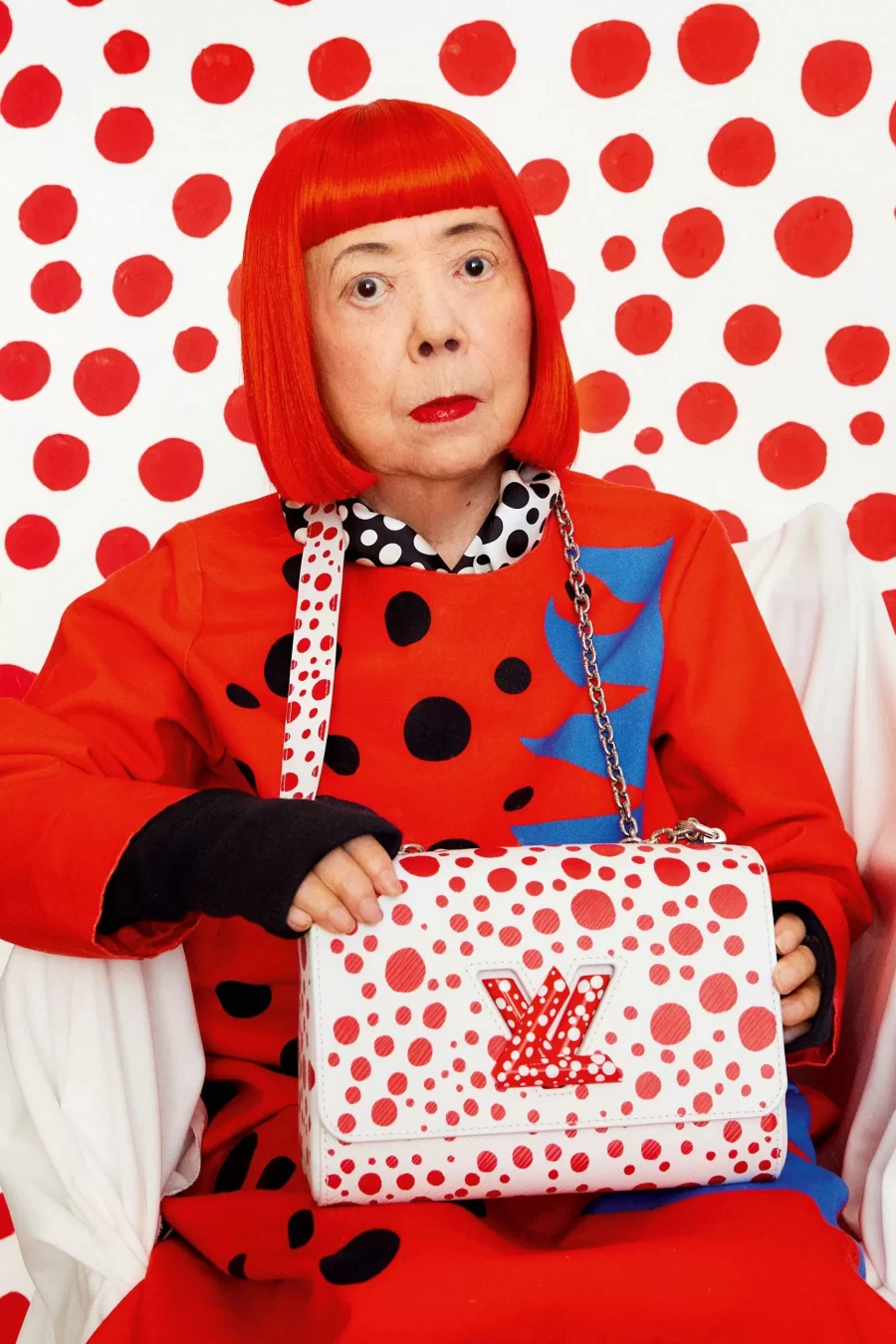
In their farewell statement, both institutions remembered a life entirely devoted to creativity and highlighted that Kusama continued working almost until the very end. “She continued to paint until her final days, never setting aside her brush,” they said.
Her artistic journey began far removed from the enormous international exhibitions that would attract millions of visitors decades later. Born in Matsumoto, Japan, in 1929, Kusama developed a radically personal creative identity that would eventually cross borders, disciplines and generations.
After beginning her career in post-war Japan, she moved to the United States and settled in New York, where she became immersed in some of the major cultural transformations of the 1950s and 1960s. There, she experimented with painting, sculpture, installation and performance while developing a visual language unlike that of any other artist.
Yayoi Kusama’s polka dots eventually became one of the defining elements of her work. Obsessively repeated across canvases, objects, bodies and entire spaces, they moved beyond simple decoration to become an exploration of ideas including repetition, the disappearance of the individual and infinity.
That exploration arguably found its most popular expression in the celebrated Infinity Mirror Rooms. These installations use mirrors, lights and repeated elements to place visitors inside apparently endless environments. The experience transformed the traditional act of viewing art into something completely immersive and helped turn Kusama’s exhibitions into international phenomena.
However, reducing her legacy to these rooms would overlook the extraordinary breadth of a career spanning decades. Kusama worked across painting, sculpture, literature, poetry, fashion and performance, while also staging public interventions that challenged some of the social and artistic conventions of her time.
Her distinctive sculptures, organic motifs and famous pumpkins expanded her visual universe even further, achieving something relatively rare: her work became immediately accessible and recognisable to a mass audience while retaining its place within the world’s leading art institutions.
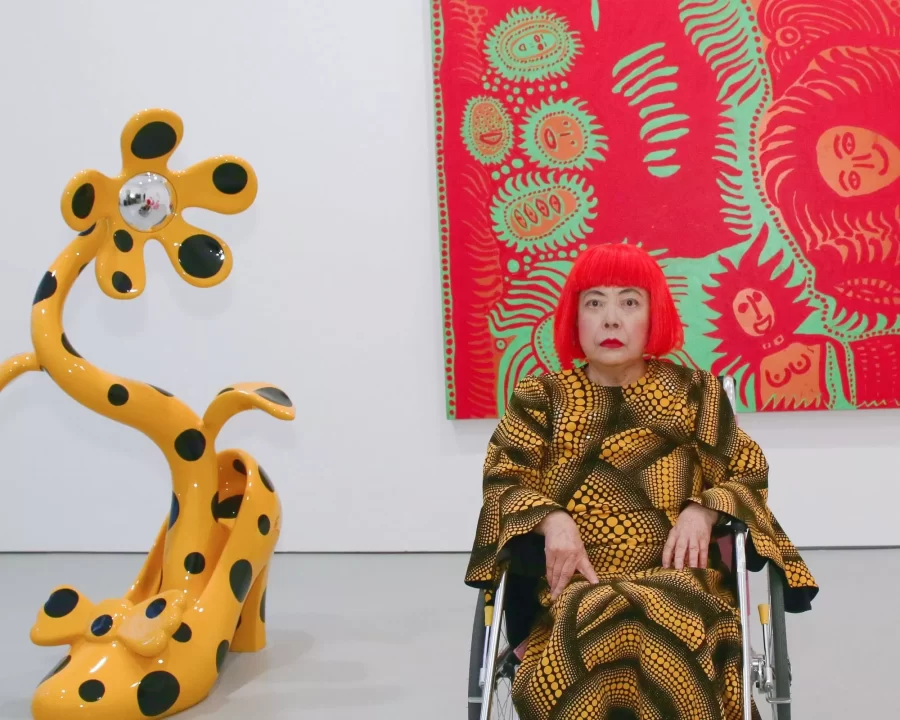
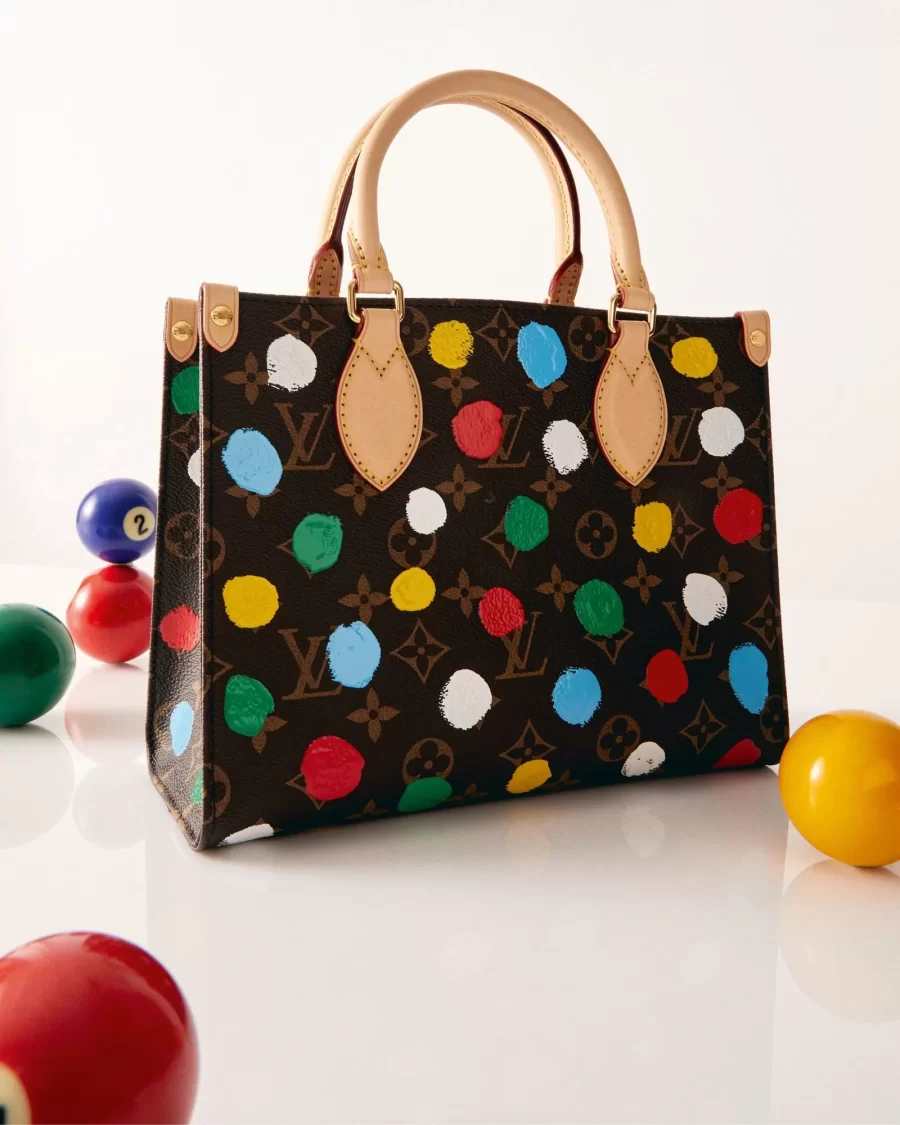
Over the years, her influence also extended far beyond museums. Kusama’s visual language entered fashion, design and popular culture through blockbuster exhibitions and collaborations that introduced her unmistakable imagery to new generations.
Her international recognition continued to grow throughout the final decades of her life. While many artists achieve their greatest fame retrospectively, Kusama remained active and culturally relevant at an extraordinarily advanced age.
The institutions responsible for preserving her legacy have promised to continue protecting that vision. In their statement, they said they would carry forward the artist’s wishes and, through art, “continue to bring hope and strength for the future to people around the world.”