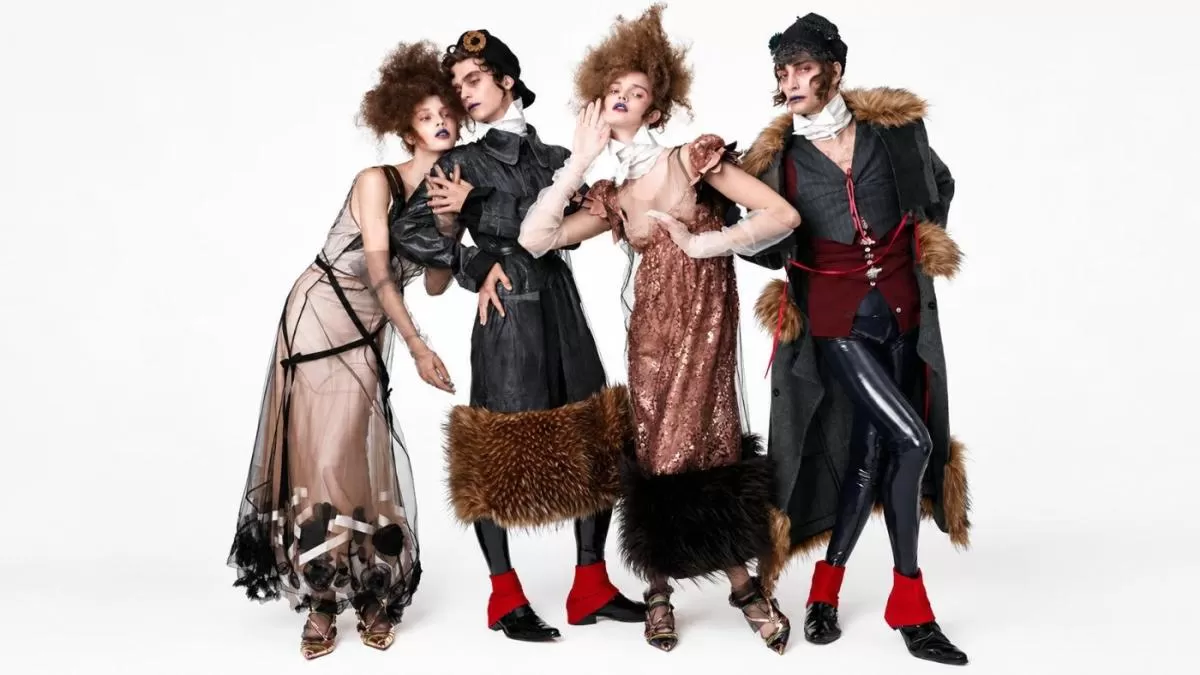


John Galliano creates Re{form} for Zara, a collection that deconstructs existing garments and transforms them through extreme volumes, draping and historical references.
John Galliano once again proves that a garment can become something entirely different without having to conceal its past. The designer has created Re{form} Zara Authored by the Couturier John Galliano, a collection for Zara built around an apparently simple idea: taking recognisable wardrobe pieces and transforming them through cut, proportion and reconstruction.
The starting point is particularly interesting because Galliano does not begin from scratch. The collection uses garments from Zara’s recent stock and turns them into raw material for new silhouettes. A long wool-blend coat, a lace-trimmed slip dress and an oversized cotton shirt leave their original purpose behind to take on an entirely different identity.
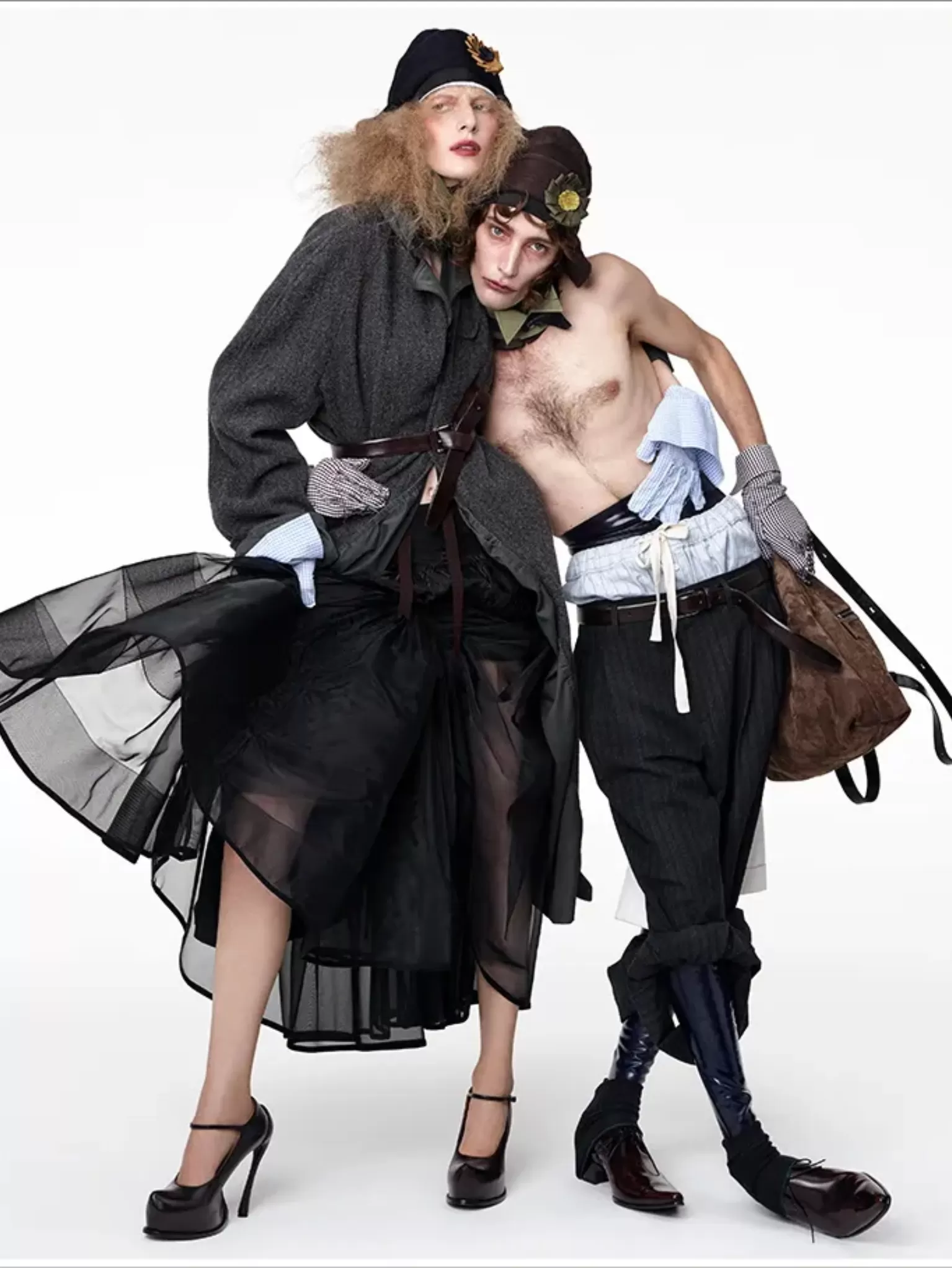
In one of the most striking examples, a wool-blend coat loses much of its front section while the pockets are shifted towards the back. The lapels are extended and the tails take on new proportions, completely altering the balance of a piece that, despite its transformation, still allows its origins to remain recognisable.
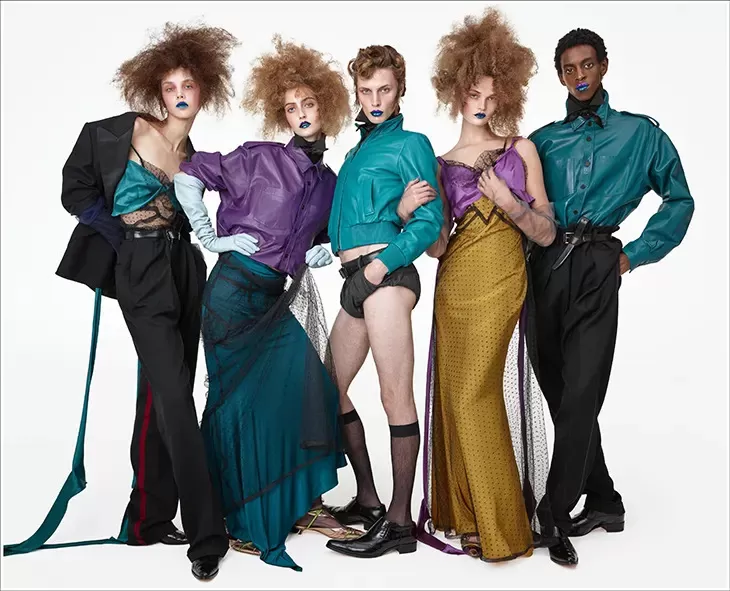
Something similar happens with the lace-trimmed slip dress. Galliano shifts the garment upwards across the body until much of the fabric gathers around the neck. What originally functioned as a dress is visually transformed into a kind of oversized ornamental collar, demonstrating how simply repositioning a garment can radically alter the way it is perceived.
The shirt undergoes the same process of metamorphosis. The designer exaggerates its proportions to the extreme and transforms it into a jacket through a trompe l’oeil leather print. The pockets are repositioned, even influencing the way the wearer places their hands. The body itself therefore becomes another tool within the construction process.
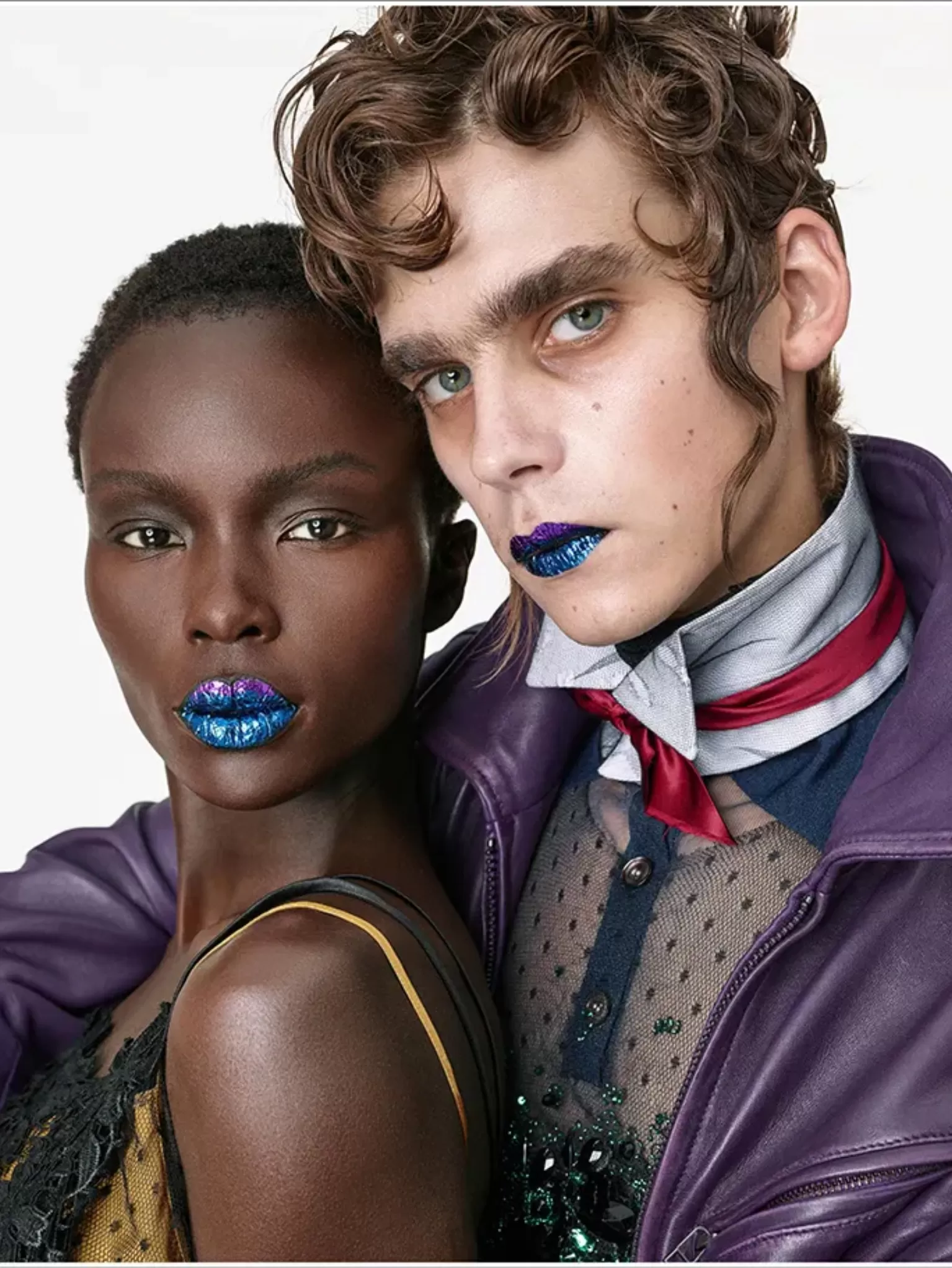
Tailoring plays a fundamental role throughout Re{form}. Cropped tailcoats, raised collars and technically constructed pieces introduce historical references that recall the theatrical language associated with Galliano’s creative universe for decades. They are joined by draped dresses that follow the lines of the body and bias-cut designs in intense jewel tones.
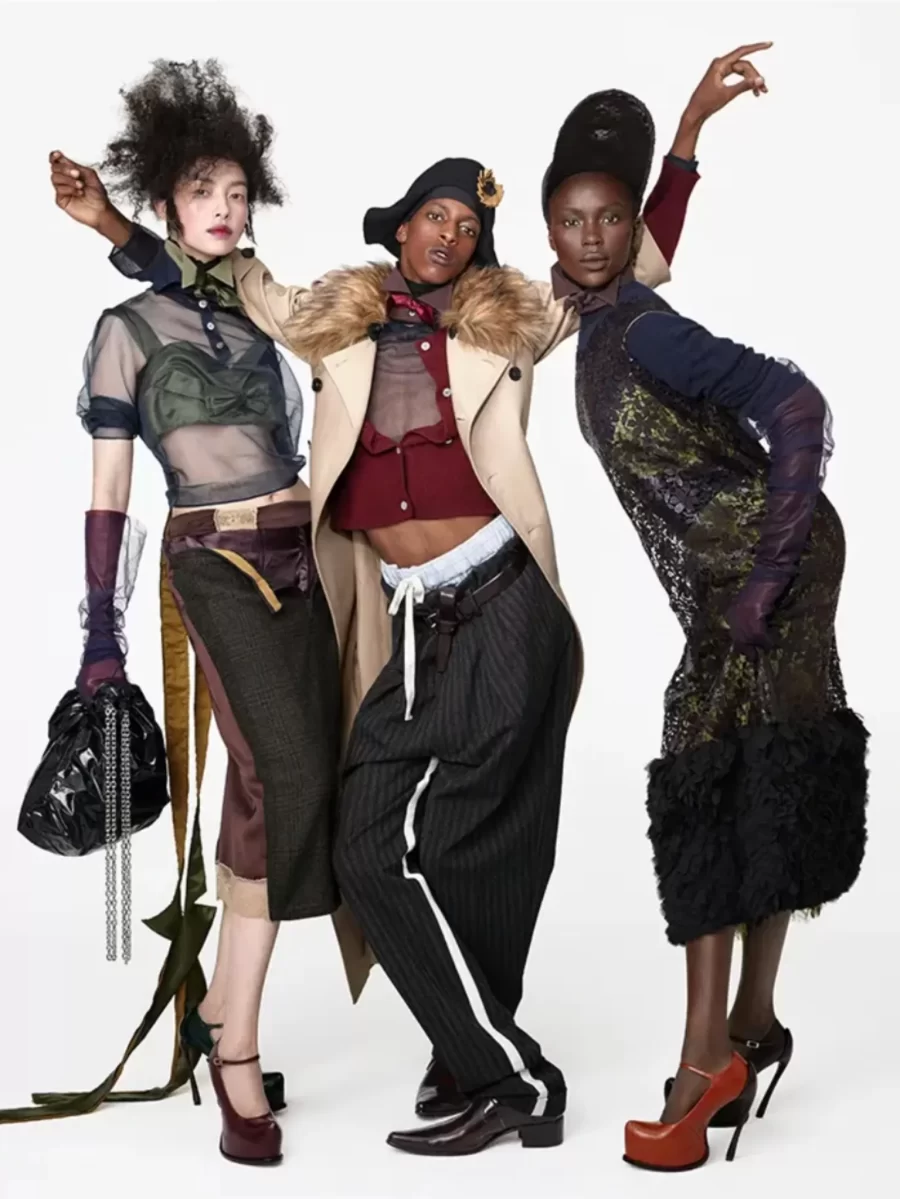
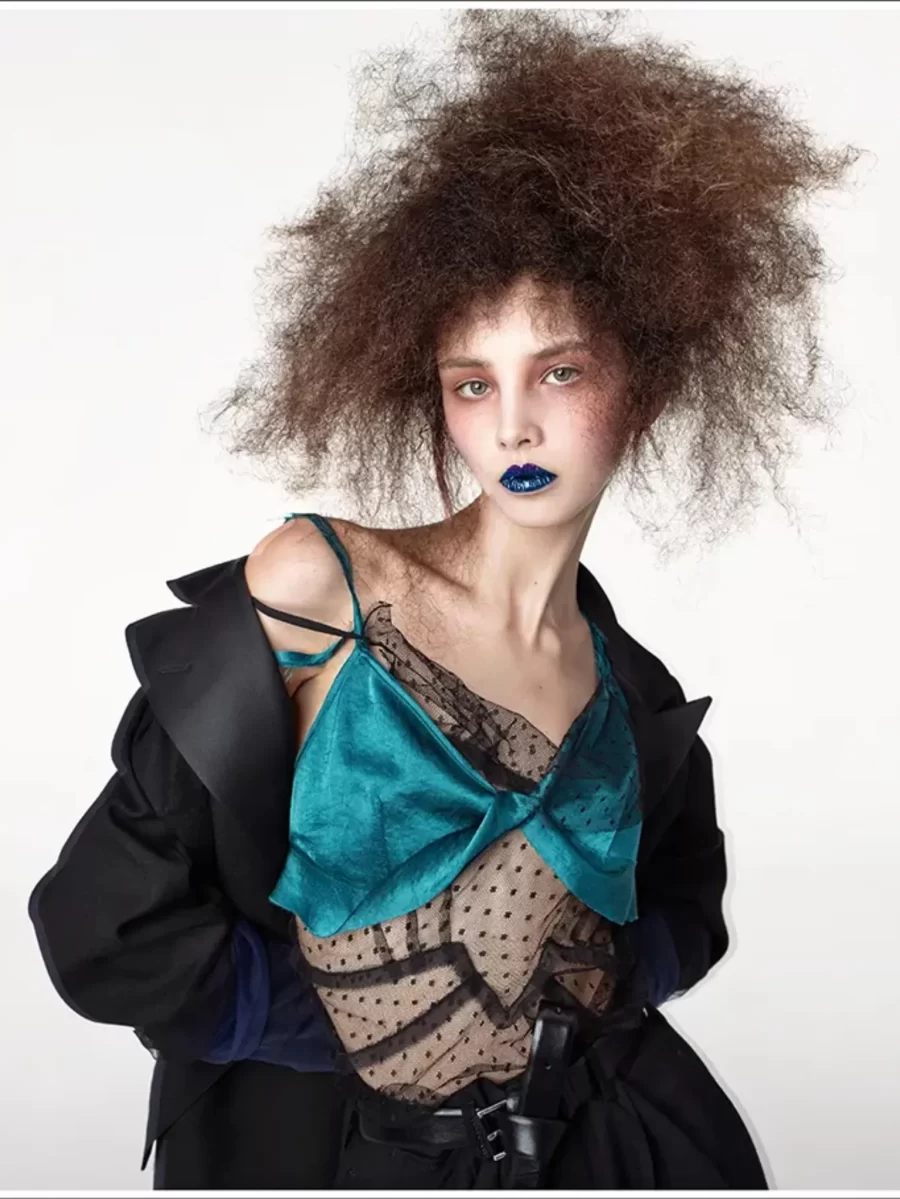
Transparency also appears through layers of tulle that fall across the body like veils, reinforcing the sense of movement. The styling pushes the play on proportions even further, with bonnets incorporating elements of baseball caps, cravats, bicorne hats and mismatched platform shoes.
The collection also includes limited-edition pieces and accessories, including long tulle gloves and complete looks developed in black, fuchsia, light beige, fluorescent lime, khaki, burgundy and silver.
Everything follows the same philosophy: revealing transformation rather than concealing it. Seams, shifts and alterations make it possible to understand what each piece was before becoming something else. Shirts transformed into jackets, dresses repositioned across the body and coats that lose or gain new sections sum up a collection built around questioning the traditional function of clothing.