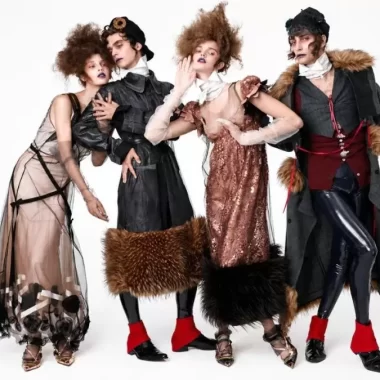
3D printing is revolutionizing fashion by offering customization and speed in creating unique garments and accessories, from footwear to bags.
3D printing in the fashion world has marked a turning point, providing countless possibilities to the industry, from creating garments and accessories to footwear. Its application has increased over the years, allowing for the overcoming of limitations in creativity, exclusivity, and personalization.
What is 3D printing in fashion?
3D printing in fashion involves the production of completely new pieces using 3D printers, tailored to the client’s body and offering a more personalized experience.
Primarily, materials such as plastic and fabric are used, but with the evolution of this technology, the use of biodegradable materials has started to be implemented. Until recently, this technique was considered experimental, but it has evolved into a trend thanks to its flexibility, precision, and the speed with which it allows prototypes to be designed in just a few hours.
Additionally, it facilitates the exploration of shapes and patterns that are not feasible in traditional production. It is a more agile method compared to conventional Research and Development (R&D) processes.
Its introduction in haute couture
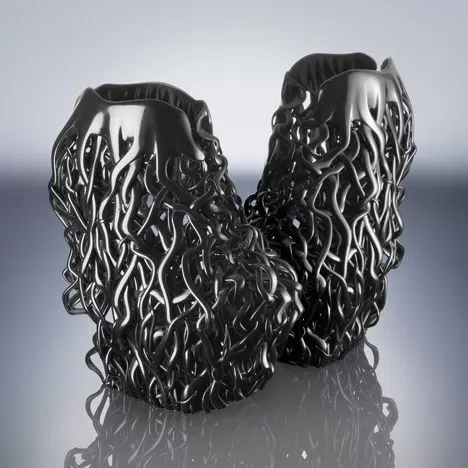
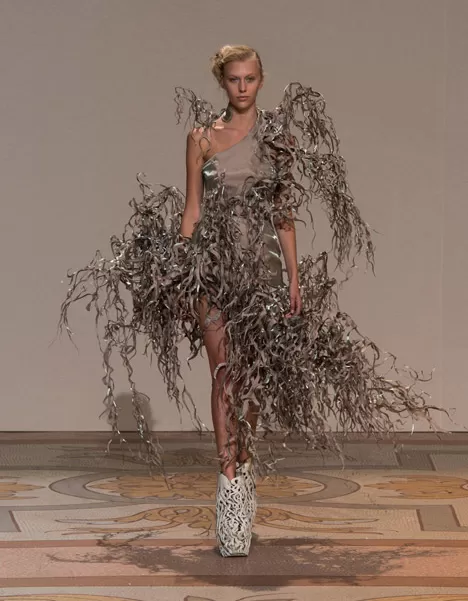
One of the pioneers in haute couture using this technique was designer Iris Van Herpen, who began creating footwear pieces in collaboration with Rem D Koolhaas for her Fall/Winter 2013 collection.
Brands like Adidas, Nike, and New Balance launched customized sports lines made from injection molds. Reebok, in collaboration with BASF, was another forerunner that used liquid polyurethane, becoming an essential tool in athletic fashion, especially for high-performance competitors.
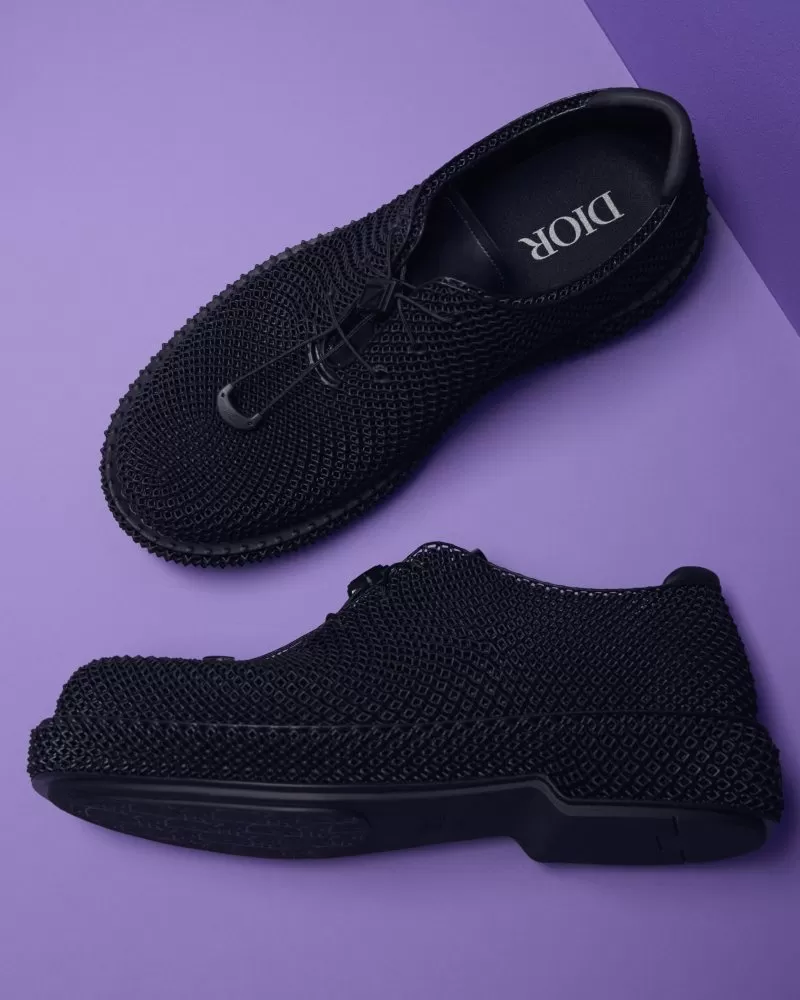
In 2022, Balenciaga introduced an ultra-thin loafer called ‘Space,’ and Dior relaunched the classic men’s ‘Carlo Derby’ in 3D format during its Fall/Winter 2023 show at Paris Fashion Week.
Despite these advances, 3D printing in the fashion sector still faces certain limitations, which restricts its use primarily to shows and catwalks.
Its implementation in the production of accessories
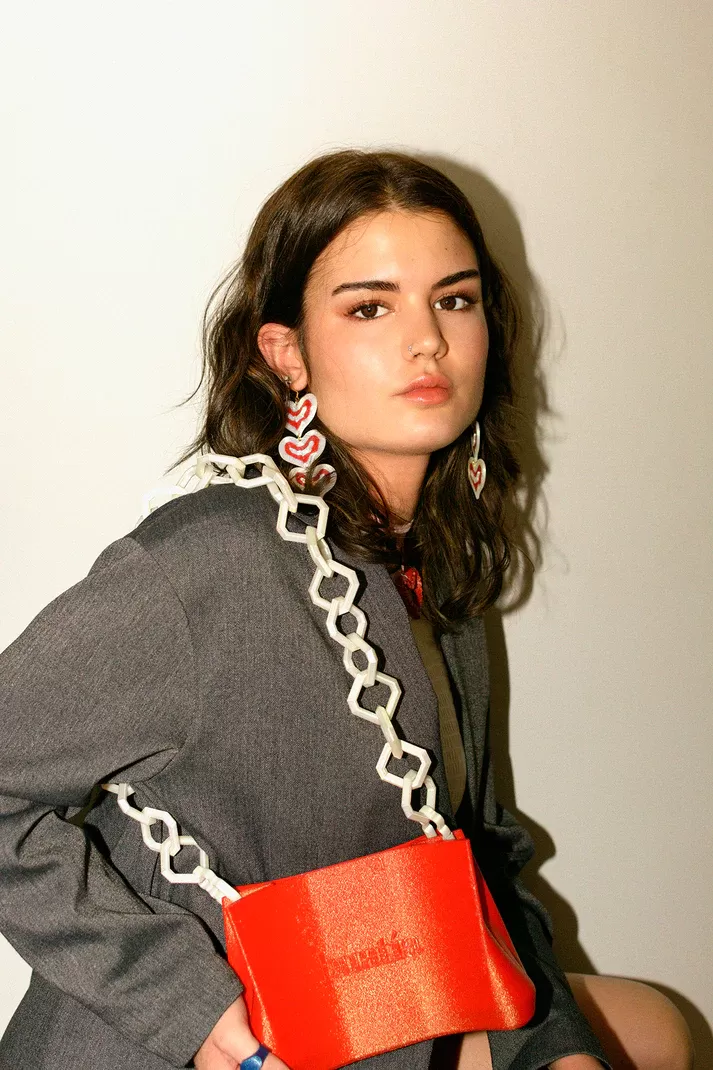
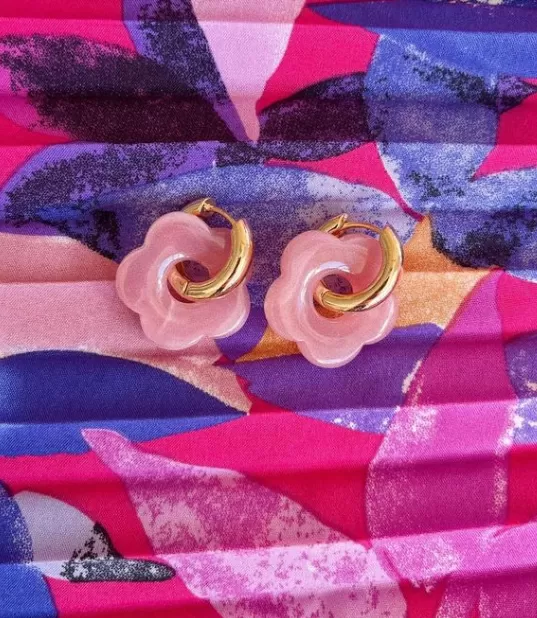
From bags to sunglasses, 3D printing has opened a new universe in accessory manufacturing. Customization stands out as one of its main advantages. More and more brands are adopting this technology, offering customers the option to personalize products through the selection of colors and materials. 3D printing allows for prototyping and manufacturing final products in record time, significantly reducing costs and production timelines.
In Spain, some small brands that offer original pieces in 3D printing, although little known, present a wide variety of unique designs, such as GAMA CLUB and Buatía.