
The ‘Every Year After’ star speaks to Xmag about adapting a novel loved by millions, playing a woman divided between past and present, and protecting her confidence in an industry shaped by public opinion.
Some love stories are not simply about two people finding their way back to each other. They are about everything that survives between a farewell and a reunion: the memories we continue to rewrite, the mistakes that shape us and the versions of ourselves we struggle to forgive. That emotional territory lies at the heart of ‘Every Year After’, Prime Video’s adaptation of Carley Fortune’s bestselling novel ‘Every Summer After’. Moving between adolescence and adulthood, the series explores first love, guilt and the lasting consequences of the choices we make when we are still learning who we are.
At the centre of the story is Abigail Cowen, who plays Delilah, a woman whose composed exterior conceals a far more fragile emotional reality. Curiously, Cowen did not initially know that she was auditioning for an adaptation of Fortune’s novel. The project was operating under a code name during casting, and the scenes she received revealed little about the wider story. She only discovered the truth during the final stages of the process. “When I discovered that it was ‘Every Summer After’, I bought the book immediately. I fell in love with the romance, but especially with the way the story keeps moving between the past and the present. I thought it was a beautiful way of understanding why the characters make certain decisions as adults.”
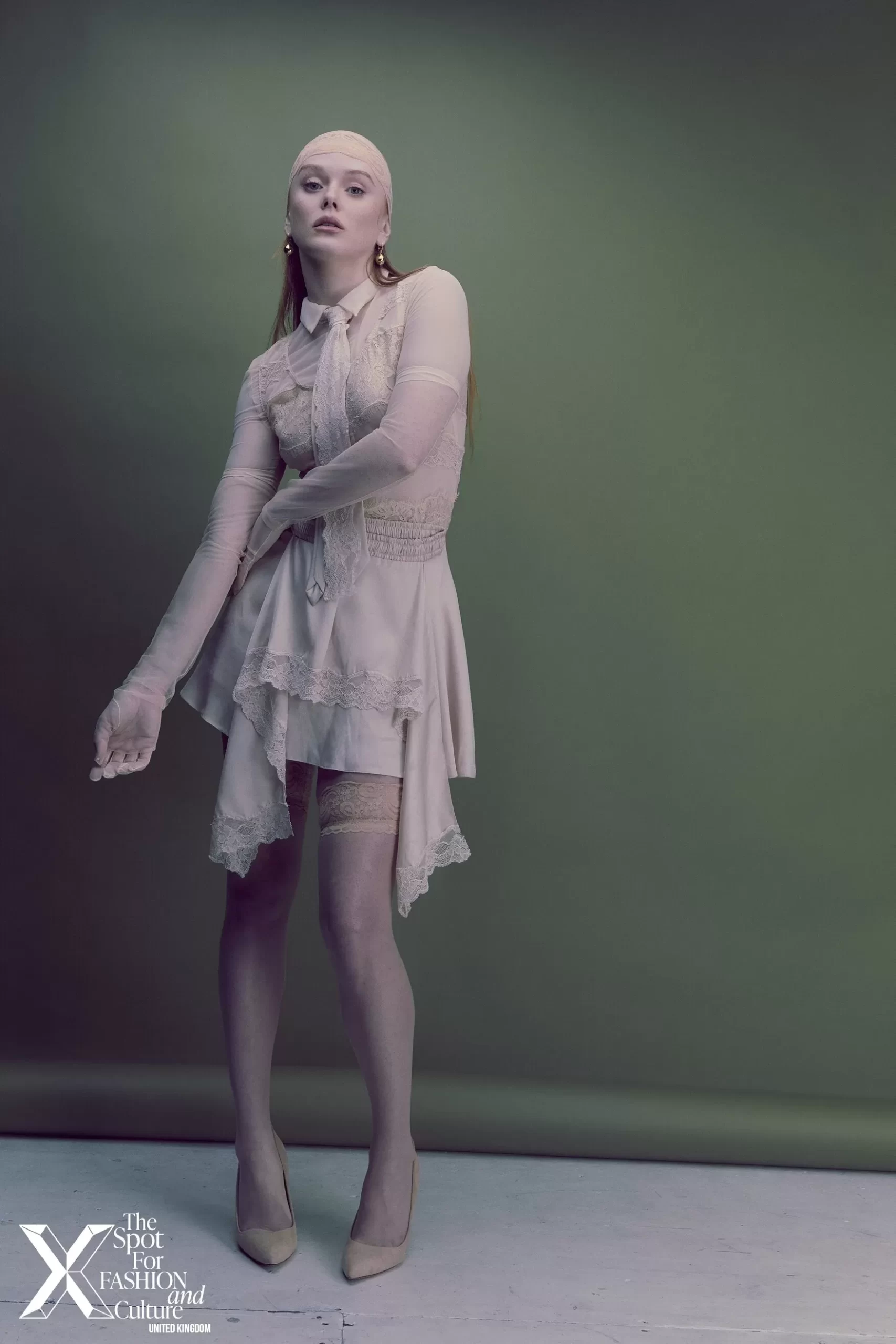
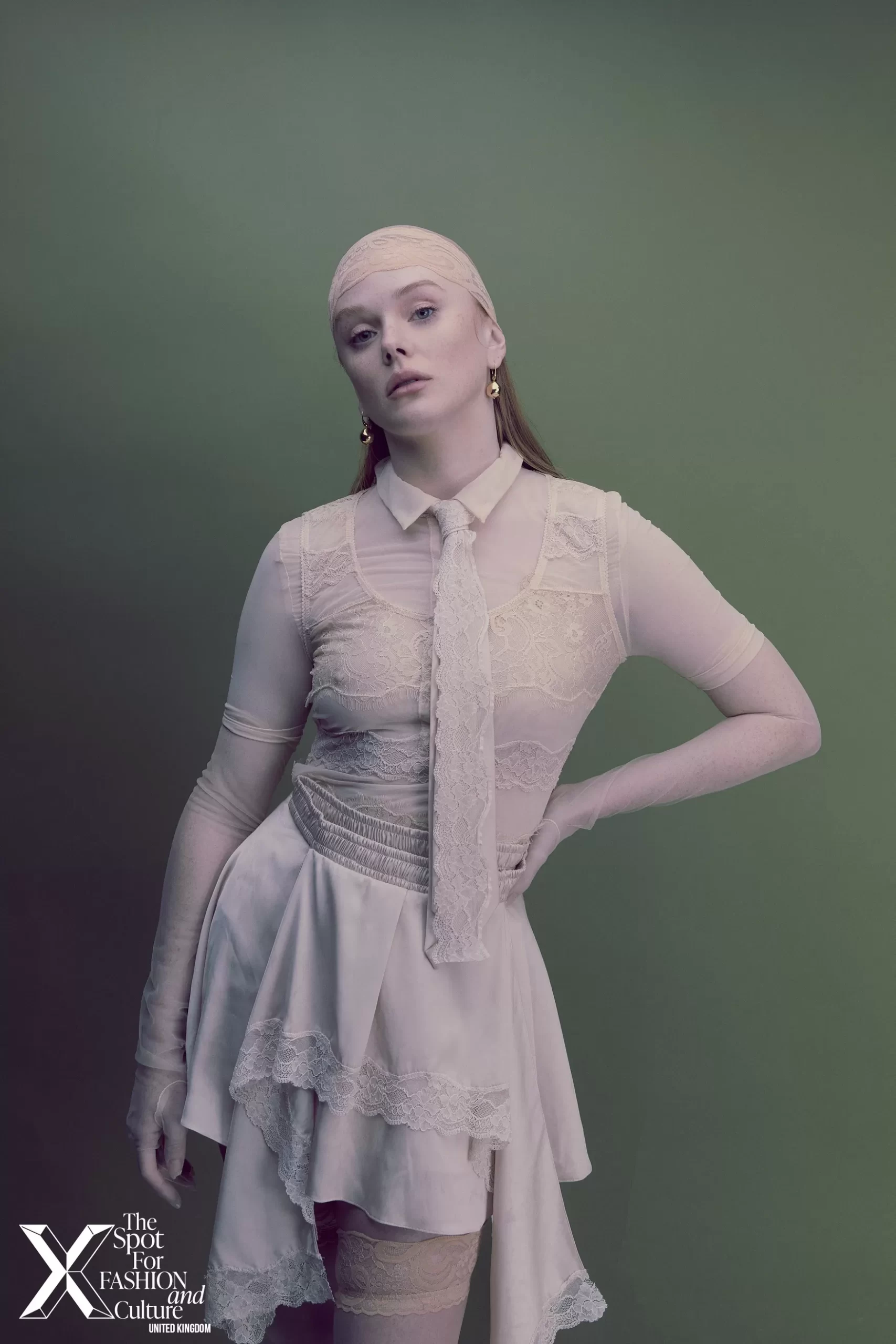
TOTAL LOOK: NASTYAMASHA SHOES: MANOLO BLAHNIK
That movement between timelines is one of the series’ most important devices. The audience first encounters the characters as adults, before gradually discovering the experiences that transformed them. For Cowen, this structure encourages empathy rather than judgement. “I think Amy B. Harris did a beautiful job of creating empathy. First, we see who these people are now, and then we understand what happened to them in order for them to become that way.”
Adapting a bestselling novel inevitably comes with pressure. Readers have already imagined the characters’ faces, voices and mannerisms, creating expectations that no actor could ever satisfy completely. Cowen understood that her responsibility was not to reproduce every reader’s private interpretation, but to find an emotionally truthful version of Delilah for the screen. “As an actress, you have to train your mind to transform that pressure into an honour. You are creating your own version of the character, and you have to give yourself permission to do that. It is impossible to look exactly like the image every reader has created in their head.”
Carley Fortune gave the cast and creative team considerable freedom during the adaptation process — something Cowen admits she found surprisingly generous. “If I had written a book like that, I would probably have been a helicopter parent. Carley, however, completely trusted Amy and the actors.”
On the surface, Delilah appears elegant, controlled and emotionally unreachable. Yet Cowen understood that her composure was not confidence, but armour. “She needed everything to look perfect from the outside, even though inside everything was crumbling.” Rather than judging Delilah’s decisions, Cowen approached her through the fear and guilt she was trying to conceal. Although the actress describes herself as considerably more emotionally open than her character, she recognised the instinct behind that need for control. “I am much more of a heart-on-my-sleeve person. I probably overshare sometimes. But I completely understood why she behaved that way, and that allowed me to empathise with her choices.”
The role also required her to construct two distinct versions of the same woman. Because scenes from Delilah’s adolescence and adulthood were filmed out of sequence, the transformation had to extend beyond costume, hair and make-up. “I had to think constantly about posture, the way she walked, small gestures and body language, so that the audience could feel they were really seeing two different versions of the same person.” As Delilah slowly begins to lower her defences, glimpses of her younger self return: a more playful and carefree woman who had been buried beneath years of fear and regret.
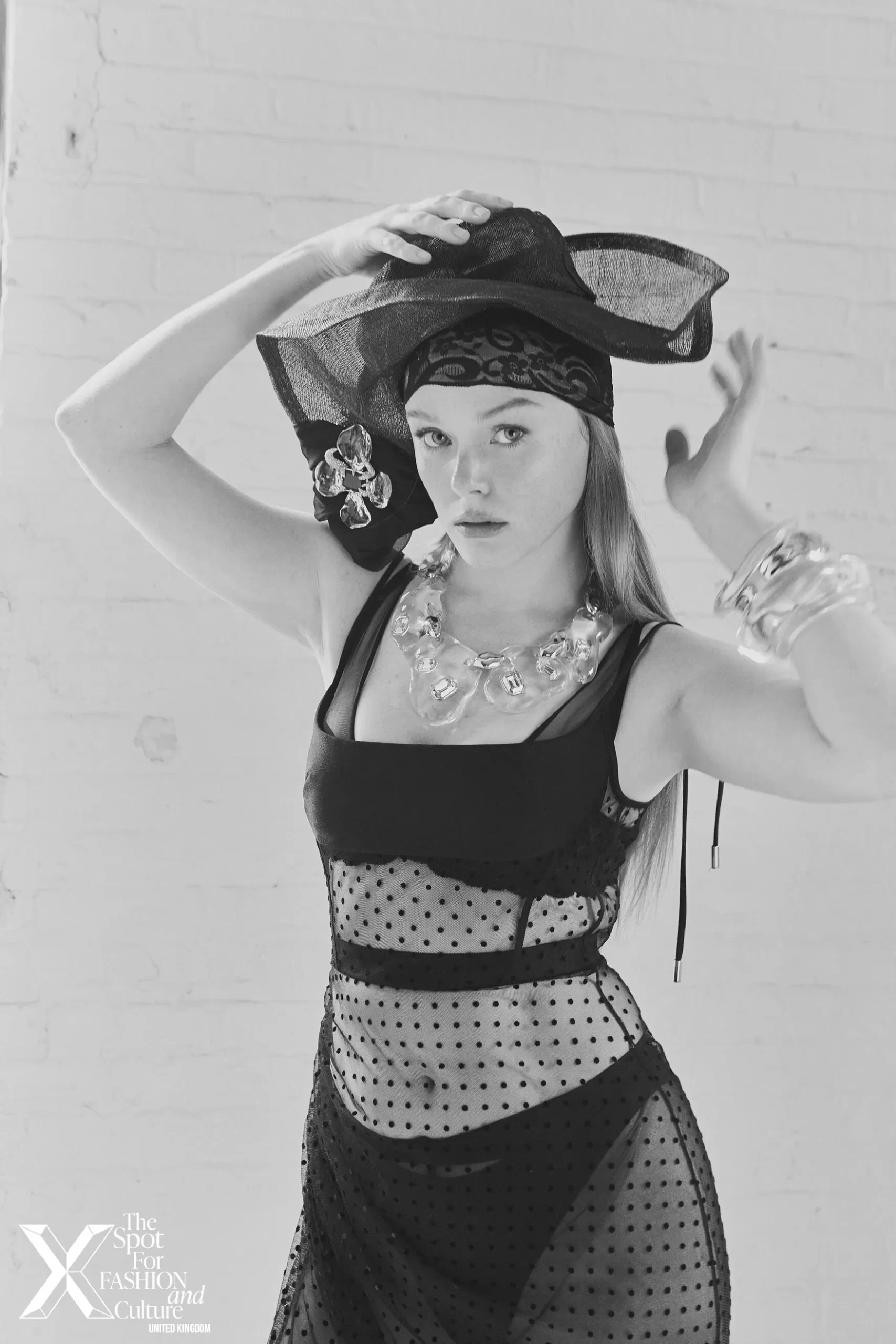
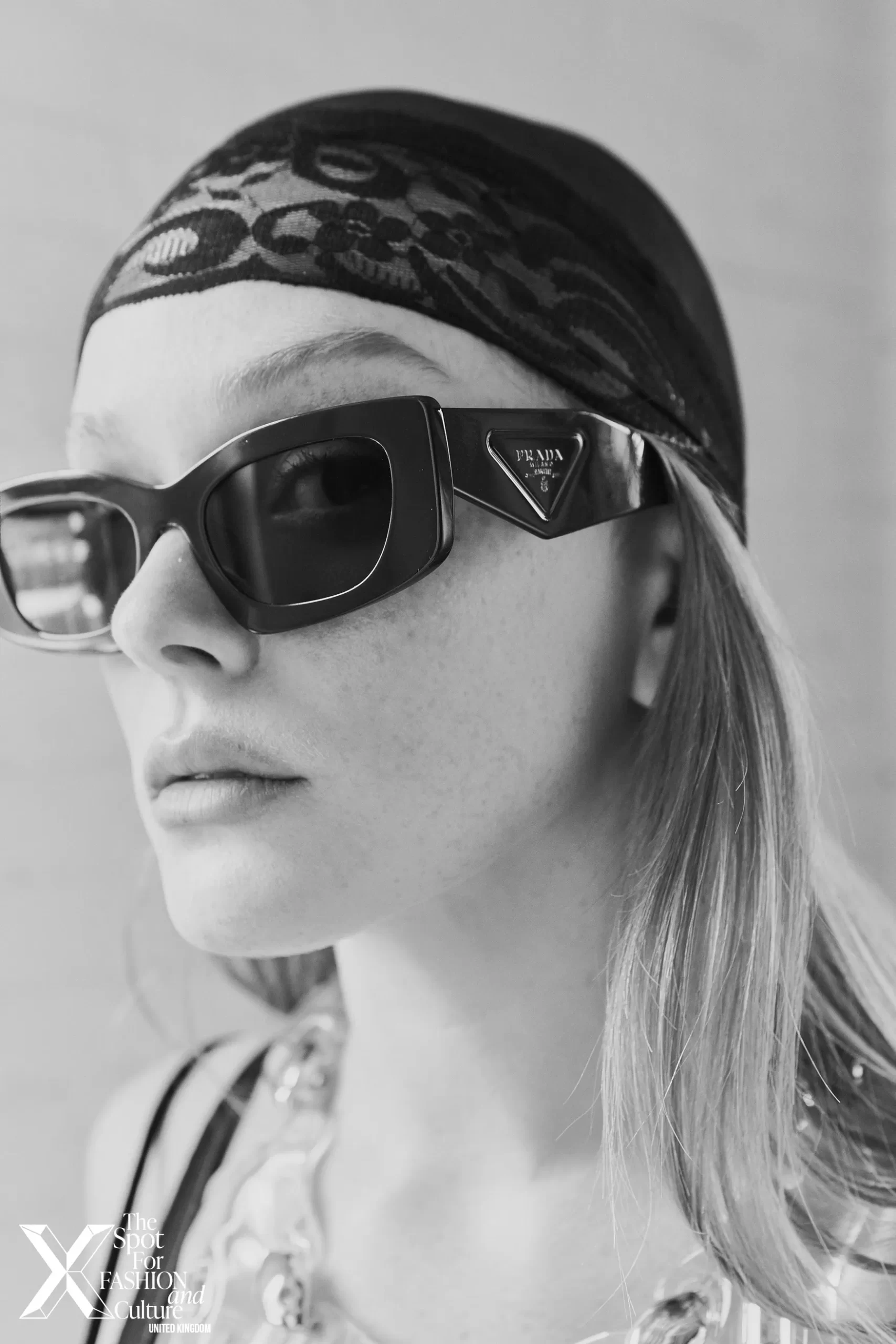
DRESS: BIBHU MOHAPATRA COLLAR & BRACELET: ALEXIS BITTAR
LINGERIE: FLEUR DU MAL TIGHTS: FALKE
Although ‘Every Year After’ is presented as a romance, Cowen believes its emotional centre lies in forgiveness. “You see all these characters fall apart and, little by little, you understand why they made certain decisions. In the end, they have to learn to forgive themselves and also each other.”
Cowen has already experienced the expectations surrounding adaptations and established fan communities. That exposure has shaped the way she now relates to the immediate reactions accompanying almost every new project. For her, protecting oneself does not simply mean ignoring criticism. It also means refusing to become dependent on praise. “You have to disconnect from the bad, but also from the good. If you give too much weight to praise, criticism eventually becomes even heavier. Everyone is entitled to an opinion, and you have to learn to live with that.”
It is a philosophy rooted in the belief that an actor’s confidence cannot be built entirely on the response of strangers. “If you do not have a strong sense of who you are, it is very easy to allow people who do not even know you to affect your confidence. And confidence is essential when you have to build a character.”
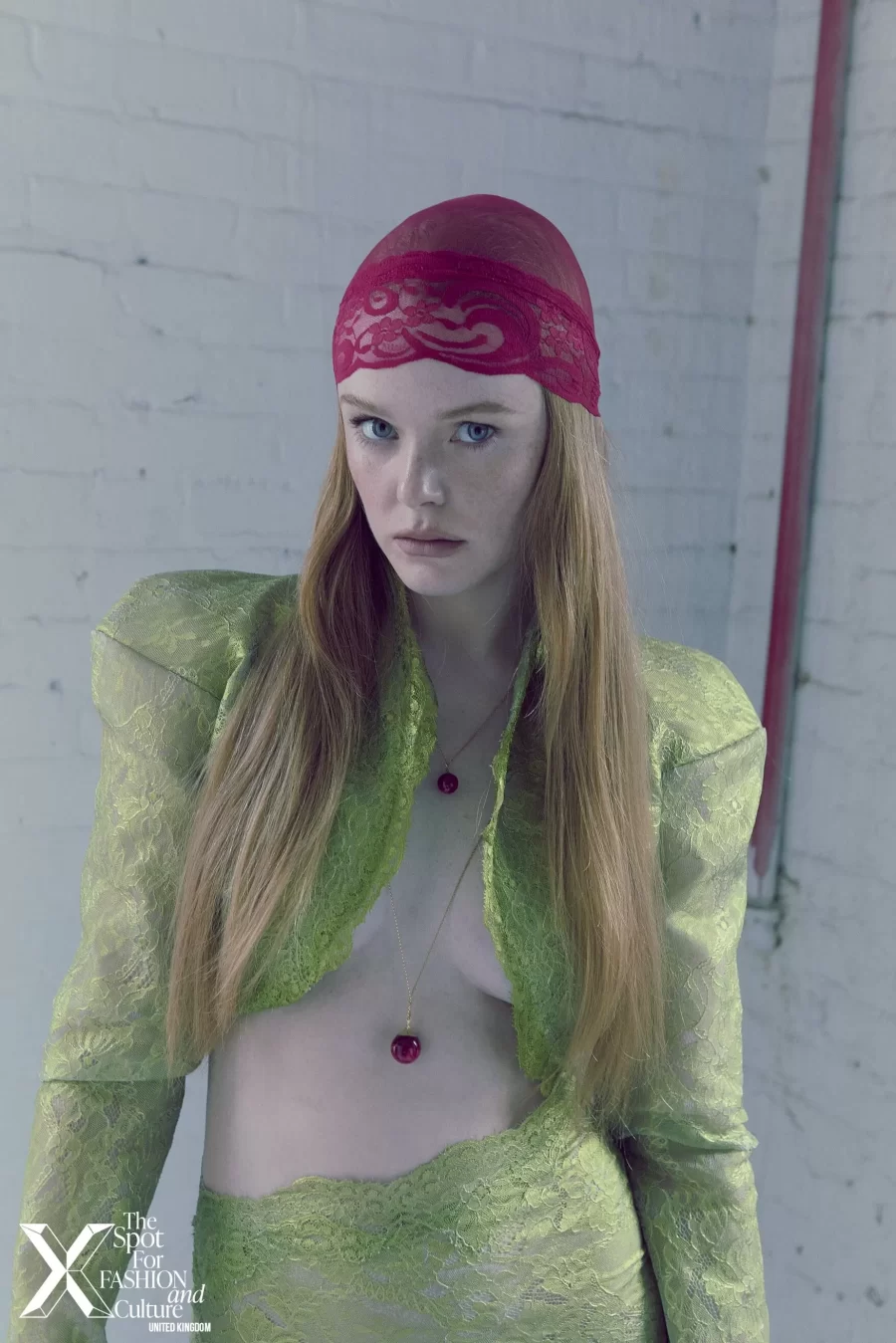
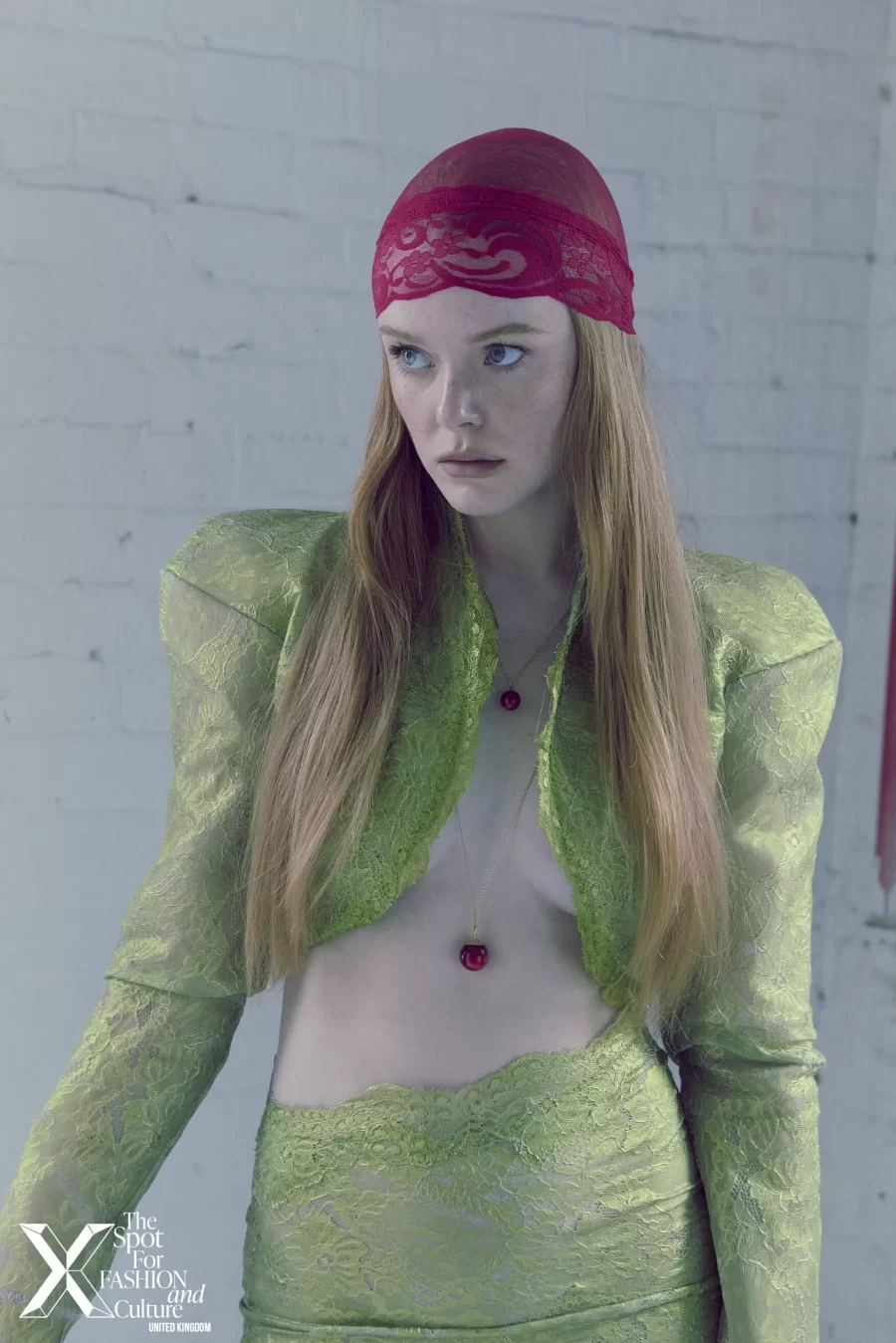
TOTAL LOOK: CHRISTIAN SIRIANO
In ‘Every Year After’, Cowen plays a woman discovering that control cannot protect her forever. The romance may provide the story’s most visible framework, but beneath it lies a more difficult question: whether it is possible to return to the past without allowing it to define the rest of your life.
Read the full interview with Abigail Cowen in the new print issue of Xmag UK, where she discusses the legacy of ‘Fate: The Winx Saga’, rejection, resilience and the stories she believes still deserve to be told.
Credits
Editor in Chief: @nachoxmag
Photographer: @cesarbalcazar
Stylist: @lu3alo
Producer: @amelitrl
Videographer: @mateoarango3
Make Up Artist: @benjaminpuckey x @cledepeubeaute at @thewallgroup
Hair Stylist: @geobrianhmu x @sebastianproes at @exclusiveartists
1st Stylist’s Assistant: @jbaez.world
2nd Stylist’s Assistant: @raleigh.shelton
Photo Assistant: @fotosdeana_
Casting Director: @theannabelbrog
PA / Photo Intern: @sam.schucker
Thanks to @imprintpr