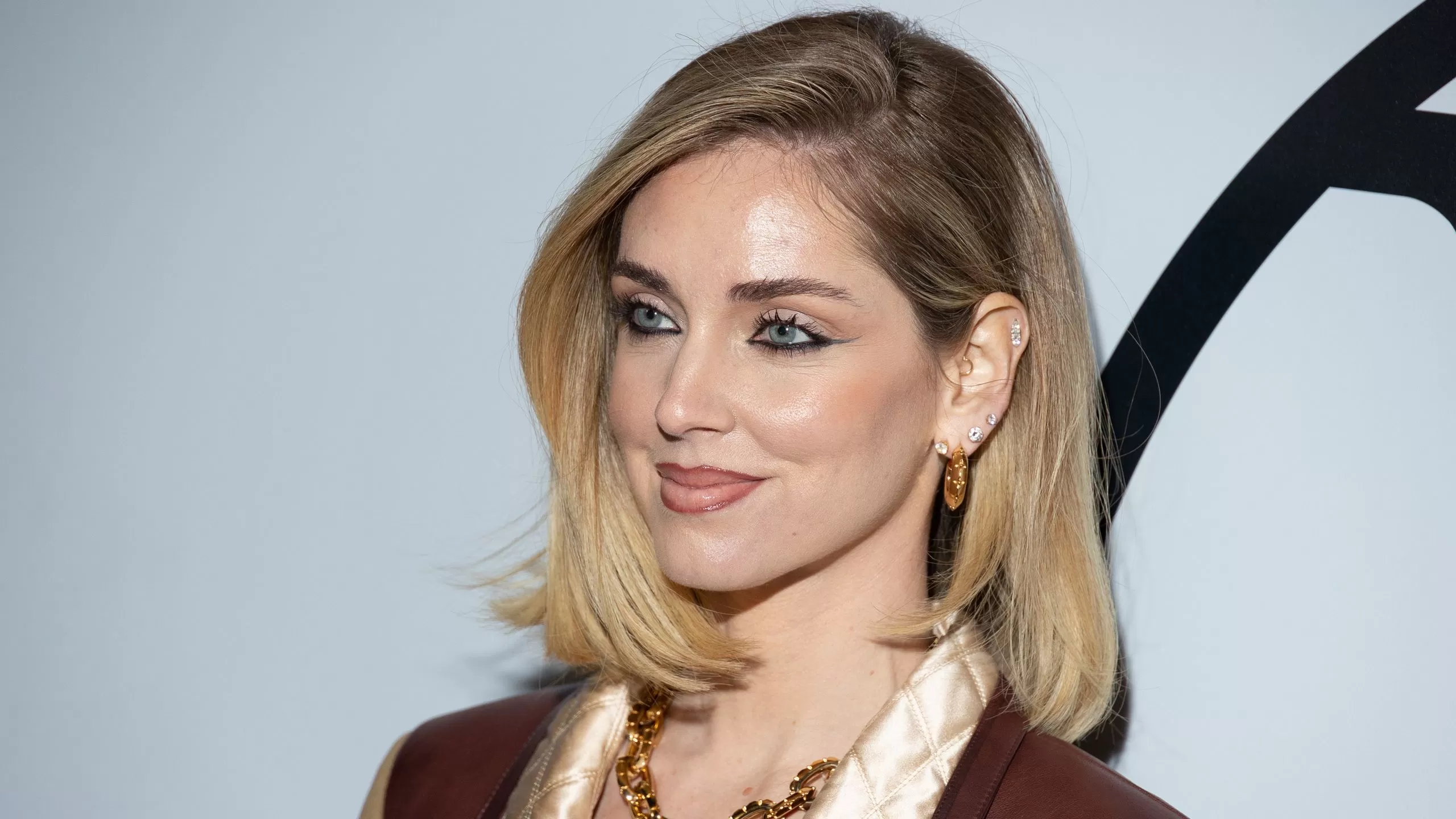


Entrepreneur Chiara Ferragni is facing a decisive trial in Milan, one that challenges her public image and the future of her influential digital empire.
Chiara Ferragni is once again making international headlines as she stands before a Milan court in a case that could redefine the relationship between public figures, marketing, and commercial transparency. The Italian businesswoman, one of the most influential personalities of the past decade, is facing a prosecutor’s request for 20 months in prison in the high-profile case known as “Pandoro Gate”, a two-year investigation into the way several charity-linked campaigns tied to her personal brand were communicated.
The controversy began when the Italian competition authority, the AGCM, accused Ferragni of misleading consumers during her collaboration with Balocco on the Pink Christmas holiday project. According to the regulator, buyers of the limited-edition pandoro believed the higher price was directly linked to a charitable donation, when in reality the €50,000 contribution to a children’s hospital had been made months earlier and was not connected to product sales. The AGCM also claims Ferragni received €1 million for the initiative without making any personal donation to the cause. The legal proceedings also involve a similar case concerning Easter eggs created with Dolci Preziosi.
Despite intense media pressure, Ferragni appeared “confident” after the most recent closed-door hearing. Her lawyers will request acquittal at the next session on 5 December, and legal experts agree it is unlikely the entrepreneur will spend any time in prison. So far, she has paid €3.4 million in fines and voluntary donations to organisations such as the Regina Margherita children’s hospital. Balocco was also fined by the regulator.
The scandal has had a direct impact on her career. The creator of the Chiara Ferragni brand, founded in 2013 and initially known for its footwear line, has been forced to reassess her position in the industry after losing ground in projects and collaborations. As she deals with the reputational consequences of the case, she has taken full control of Fenice Srl, the company behind her fashion and lifestyle label, aiming to redefine her strategy and restore stability to a business that once dominated the influencer marketing sector.
Over the years, Ferragni has shed the label of a traditional influencer to become a key name in the global luxury sphere, securing contracts with Pantene, GHD, Lancôme, Pomellato, Bulgari, Hublot, Oreo and Nespresso, and since 2017 leading TBS, the company behind her blog The Blonde Salad. She also launched her first makeup line in 2021, further expanding her role as a businesswoman.
Today, with 17.3 million followers on Instagram, Ferragni faces the greatest challenge of her career. The trial not only questions the commercial practices of one of the most powerful women in digital fashion, but also scrutinises the ethical responsibility of public figures when linking their businesses to charitable initiatives. The immediate future of Chiara Ferragni will depend on the verdict — but also on her ability to rebuild the trust of a global audience that has followed her for more than a decade.