
Taylor Swift’s fortune has now reached $2 billion. Here’s how she went from country music prodigy to the richest female musician in history.
Over the past two decades, Taylor Swift has accumulated awards, chart-topping hits and industry records that once seemed impossible to break. Yet her latest achievement extends far beyond music. According to the latest estimates from Forbes, the American superstar has reached a net worth of $2 billion, officially becoming the richest female musician in history.
What makes the figure even more remarkable is how it was built. Unlike many celebrities whose wealth stems primarily from side businesses, technology investments or major corporate ventures, Swift’s financial empire remains deeply connected to her artistic work. Her songs, tours and strategic control of her catalogue have become the foundations of a business transformation that is now widely regarded as one of the most significant success stories in modern entertainment.
Swift began her career as a teenager in the world of country music. What initially appeared to be a promising path within a niche genre soon evolved into a global phenomenon capable of captivating entire generations. Album after album, she developed from a young songwriter chronicling teenage romance into one of the most influential composers of her generation. As her artistic success grew, so too did her understanding of the music business.
The defining turning point arrived in 2020. After years of disputes over the ownership of her original master recordings, Swift made a decision many considered risky: she began re-recording much of her catalogue. What seemed to some like a symbolic gesture quickly became one of the smartest business moves in recent music history.
The re-recorded versions of albums such as ‘Fearless’, ‘Red’, ‘Speak Now’ and ‘1989’ were not only commercial triumphs but also reignited industry-wide conversations about intellectual property and artists’ rights. Millions of fans embraced the new recordings, generating enormous revenue while helping Swift regain control of the work that defined her career.
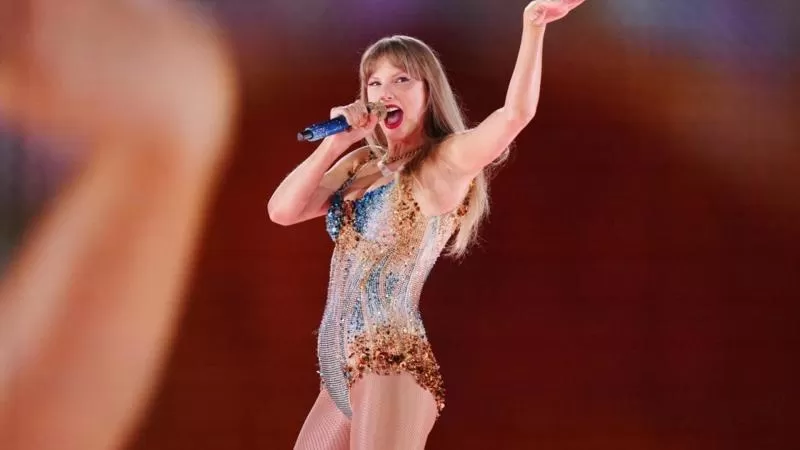
The greatest financial catalyst, however, arrived with The Eras Tour. The global spectacle shattered industry expectations and became the highest-grossing concert tour in history, generating an estimated $2.2 billion in revenue. No artist had ever reached such figures before.
Its impact extended far beyond music. Hotels, airlines, restaurants and local businesses across multiple countries benefited from the so-called “Taylor Swift effect”. In many cities, her arrival created economic activity comparable to that generated by major international sporting events.
The tour’s success also enabled Swift to regain ownership of a crucial part of her legacy. Industry estimates suggest she spent hundreds of millions of dollars reacquiring her original masters, closing one of the most significant chapters of her professional journey and securing a historic victory for artist ownership.
Her financial rise has also reshaped the rankings of entertainment wealth. While Jay-Z remains the richest musician in the world with an estimated fortune of $2.8 billion, Swift now surpasses fellow global superstars such as Rihanna and Beyoncé, both of whom are estimated to have fortunes around the $1 billion mark.
Perhaps most strikingly, Swift has achieved this position without abandoning her primary asset: music itself. While many celebrities have diversified into industries far removed from entertainment, she has demonstrated that creative ownership, intellectual property and a strong relationship with an audience can become an extraordinarily profitable formula.
At 36, Taylor Swift no longer dominates only streaming platforms and stadiums. She has fundamentally changed the conversation surrounding the value of music in the digital era. And while speculation about a future wedding with Travis Kelce continues to generate headlines around the world, the truly historic story is this: Taylor Swift is no longer simply a pop star. She is one of the most powerful businesswomen in contemporary culture and the richest female musician the industry has ever seen.