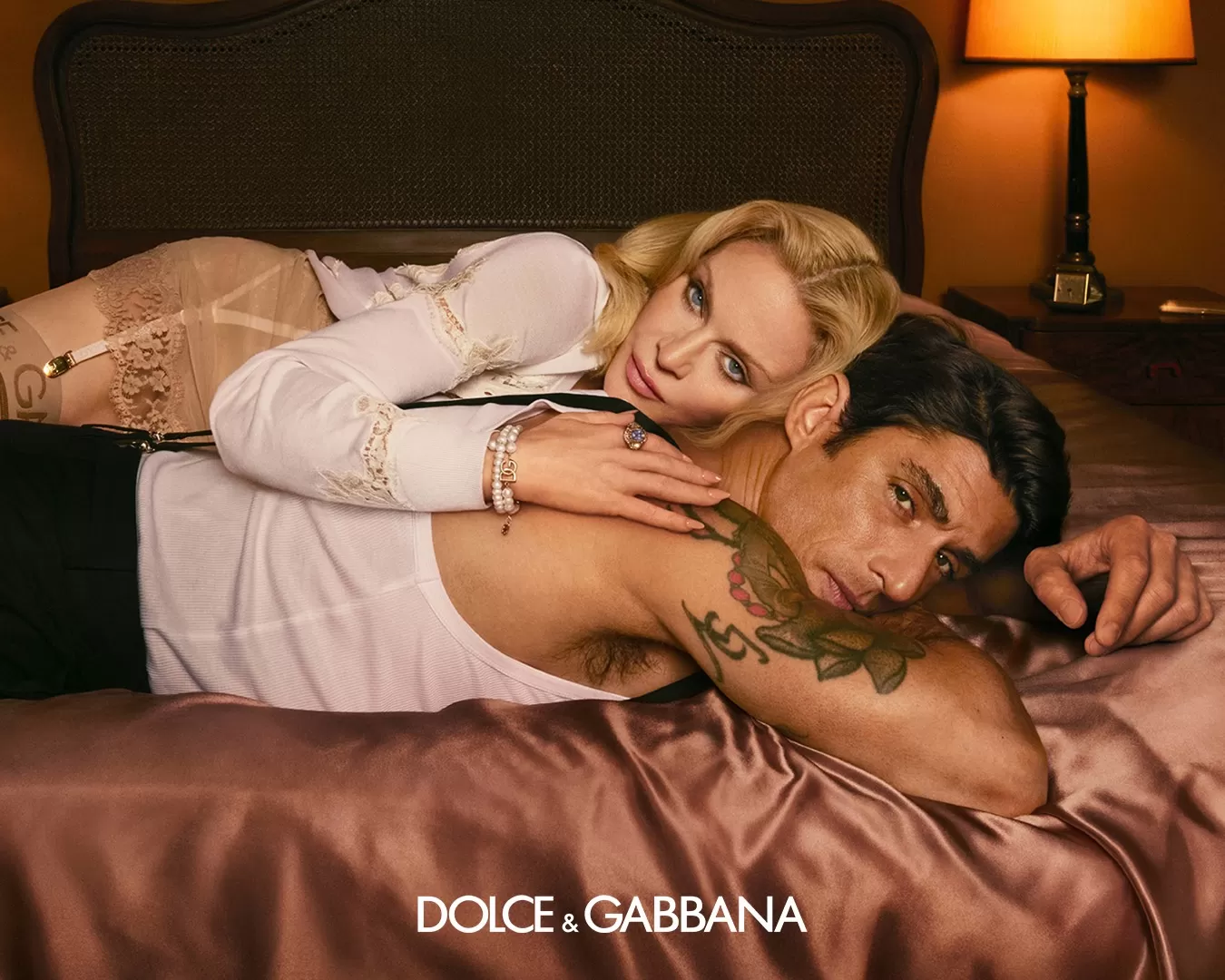

At 67, Madonna takes centre stage once again, challenging luxury’s fixation on youth and restoring desire to the heart of the narrative.
At 67 years old, Madonna returns to the centre of the cultural conversation with a campaign that unsettles, provokes and dismantles one of the perfume industry’s most rigid rules: its obsession with eternal youth. The artist is the undisputed protagonist of the new ‘The One’ campaign by Dolce&Gabbana, a proposal charged with explicit sexuality, symbolic power and an unapologetically adult narrative that directly questions how female desire is represented in contemporary luxury.
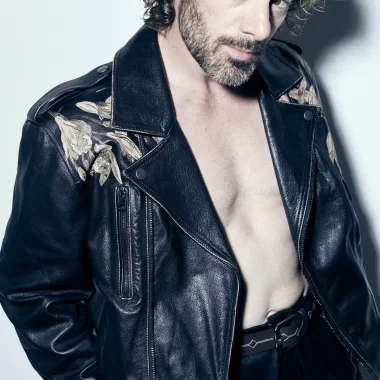
It is rare for an iconic fragrance to be fronted by a woman whose public life has spanned decades of exposure, reinvention and controversy. Even rarer for that choice to be framed through a visual language where eroticism, control and power play are not softened, but asserted with intent. Alongside actor Alberto Guerra, Madonna inhabits a story directed by Mert Alas that moves between elegant fetishism, theatricality and conscious sexual tension—always with her firmly in command of the narrative.
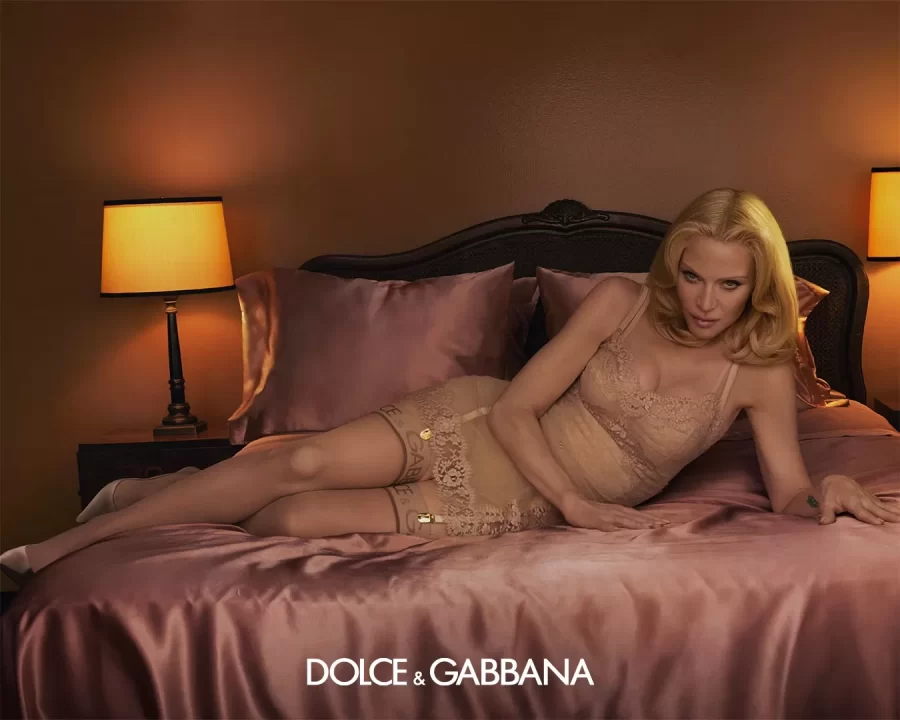
The casting is anything but incidental. Dolce&Gabbana’s relationship with Madonna dates back to the late 1980s, when she was already a global icon and the Italian house was taking its first steps. Since then, their connection has been defined by a shared philosophy: breaking rules, disrupting systems and defending an aesthetic where sex, identity and character are inseparable. This campaign is not a one-off collaboration, but the logical evolution of a creative alliance rooted in passion and a fearless disregard for external judgement.
In a cultural landscape where sex has largely vanished from the mainstream—replaced either by sanitised narratives or by hollow hypersexualisation elsewhere—‘The One’ campaign functions as a powerful anomaly. There is no manufactured youth here, no domesticated desire. Instead, it presents an adult woman, fully aware of her body, her image and her history, using sensuality as a language of authority, not as a passive object of consumption.
The impact becomes even more striking when viewed through the lens of the market itself. Mature women are now the primary drivers of growth in perfume and beauty, yet they remain almost invisible in advertising narratives. While economic data confirms their decisive role in global consumption, the industry continues to centre ever-younger faces. Against this contradiction, Madonna emerges as an uncomfortable reminder: desire does not expire, and beauty is not a matter of age, but of energy, presence and emotional intelligence.
The campaign also situates itself within a long historical lineage linking fragrance and eroticism. From ritualistic origins to the great advertising scandals of the twentieth century, scent has always operated as a vehicle for attraction, transgression and fantasy. What shifts here is the point of view. For the first time in a long while, desire is no longer articulated through a dominant male gaze, but through a female figure who controls the story and asserts herself as an active subject.
With ‘The One’, Dolce&Gabbana does more than reactivate one of its most emblematic fragrances. It delivers a clear message to the luxury industry: adult sensuality, far from being a risk, represents a cultural and commercial opportunity still largely unexplored. And Madonna, once again, proves that her true power lies not in provocation for its own sake, but in forcing the industry—and the audience—to confront its own limitations.

-380x380.webp)