
Amid an industry fixated on streetwear, Paul Smith proves in Milan that a perfectly cut suit still defines contemporary menswear.
Presenting a menswear collection in 2026 with restraint, craft and precision is, today, almost a radical act. That is exactly what Paul Smith delivered at Milan Fashion Week, relocating his show from Paris to Milan — the historic heartland of European tailoring — to unveil his Fall Winter 2026 collection in an intimate, salon-style setting. The message was unequivocal: tailoring is not the past; it is the present, worn with personality.
The change of city is significant. Choosing Milan positions the brand within a culture where cut, fabric and construction remain foundational values. Within this context, Smith rejects archival nostalgia. Working closely with Sam Cotton, the newly appointed Head of Men’s Design and a long-time collaborator, he revisits nearly five decades of his own archive — over 5,000 garments housed in Nottingham — not as history, but as dialogue.
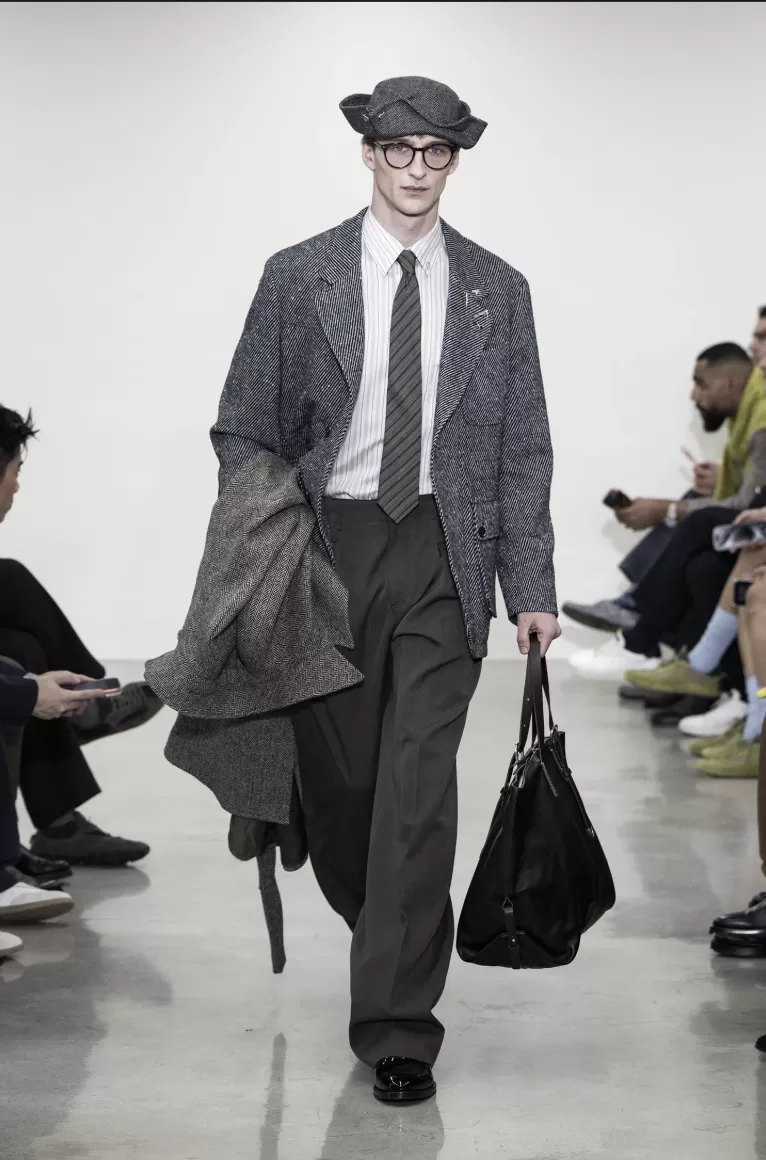
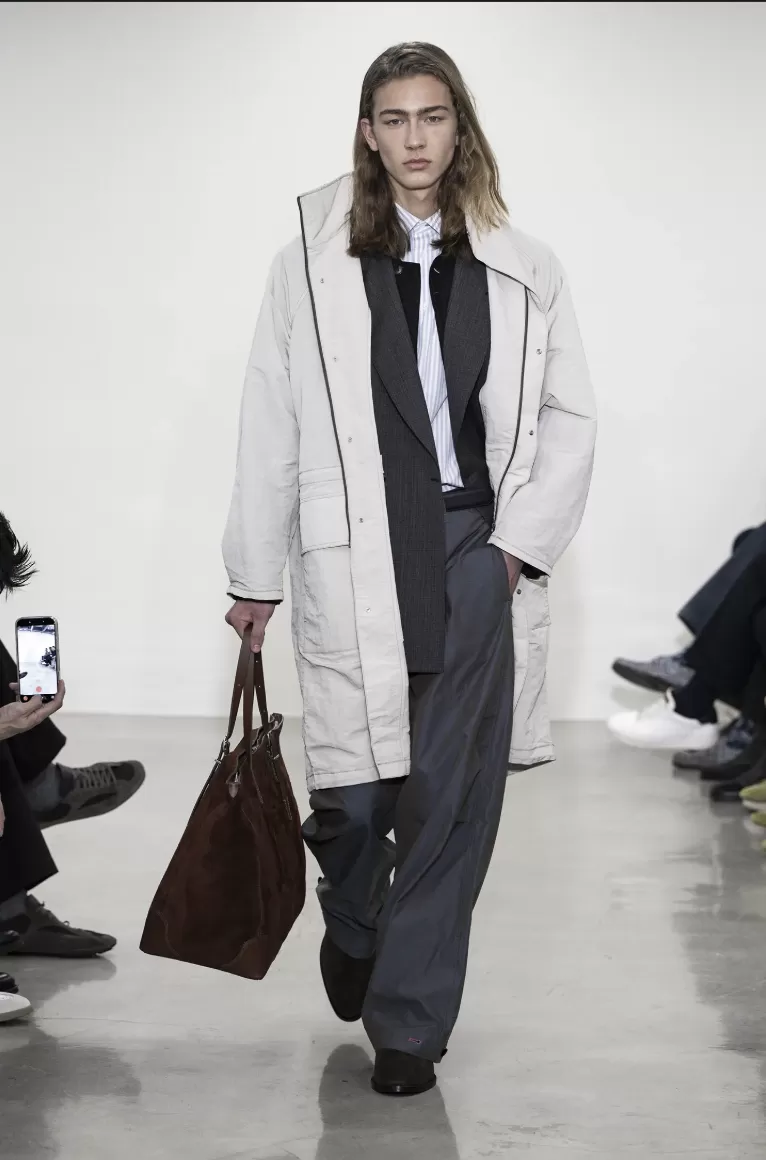
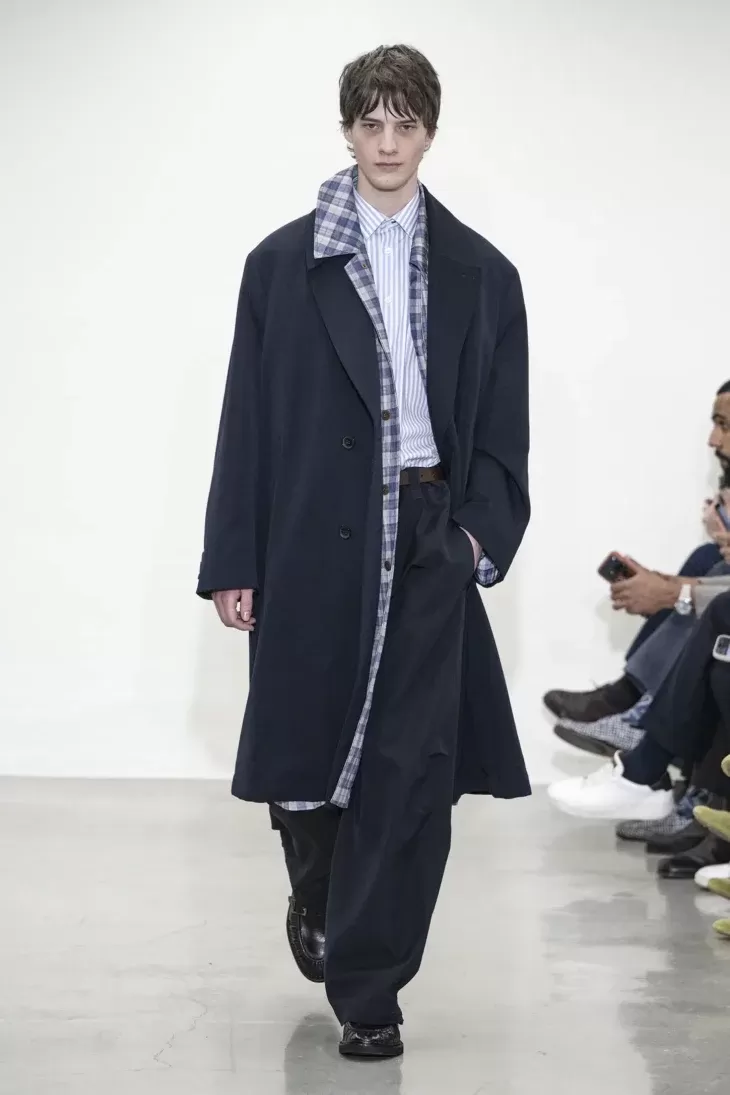
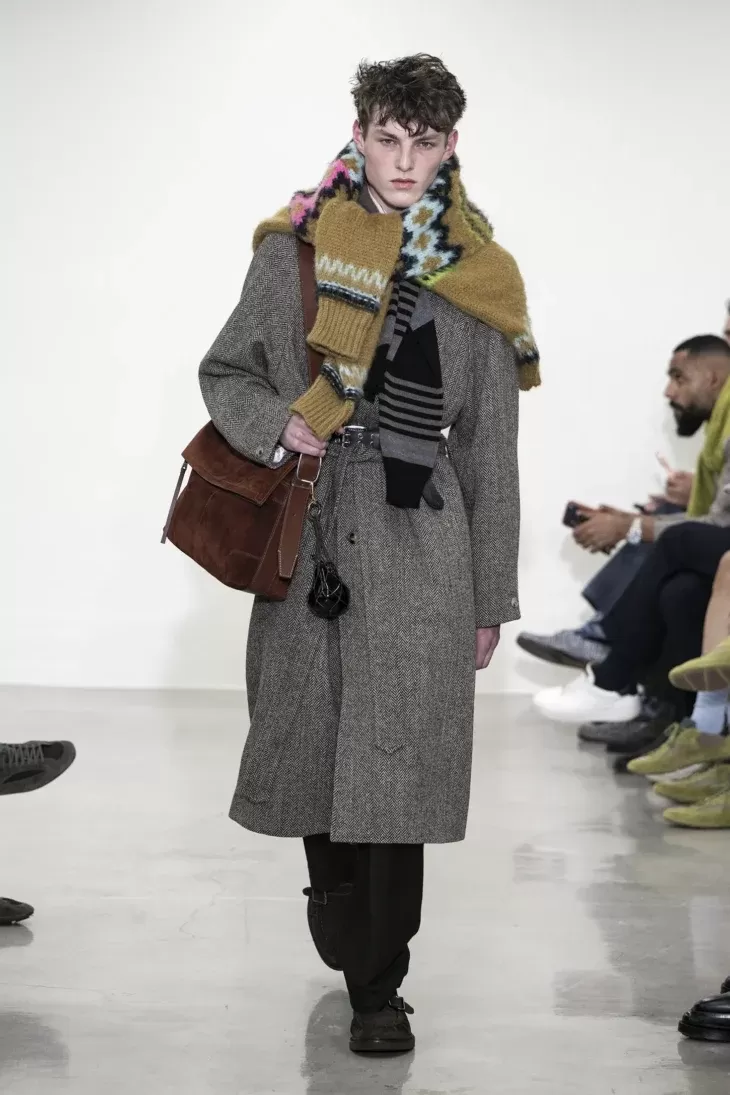
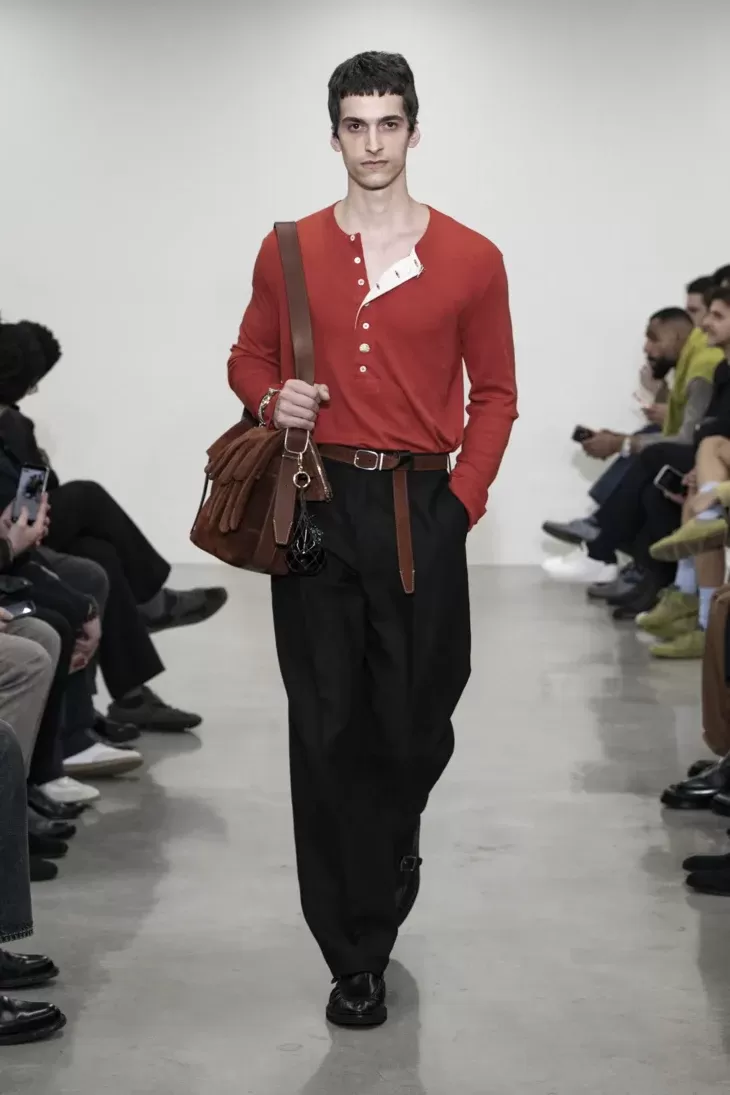
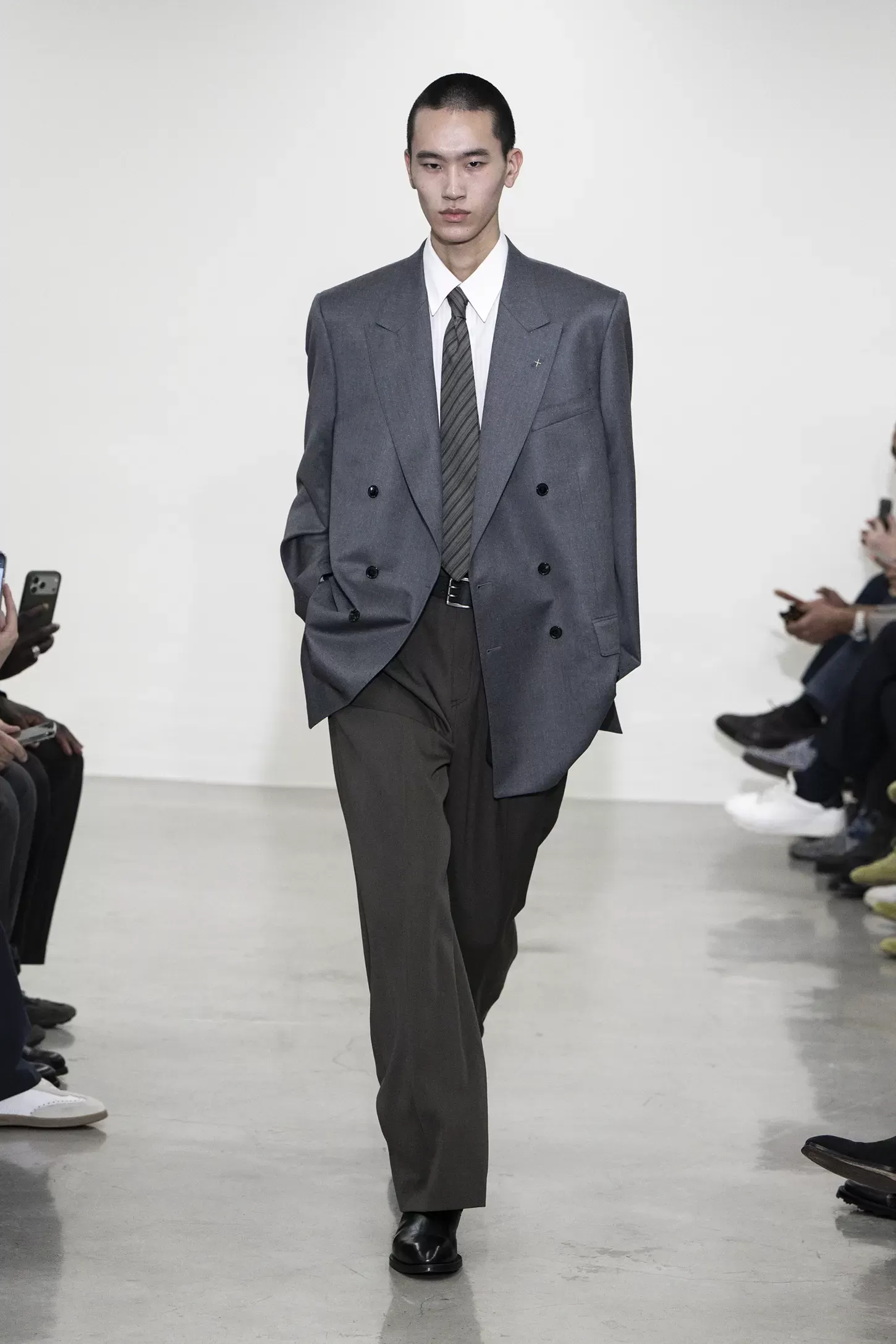
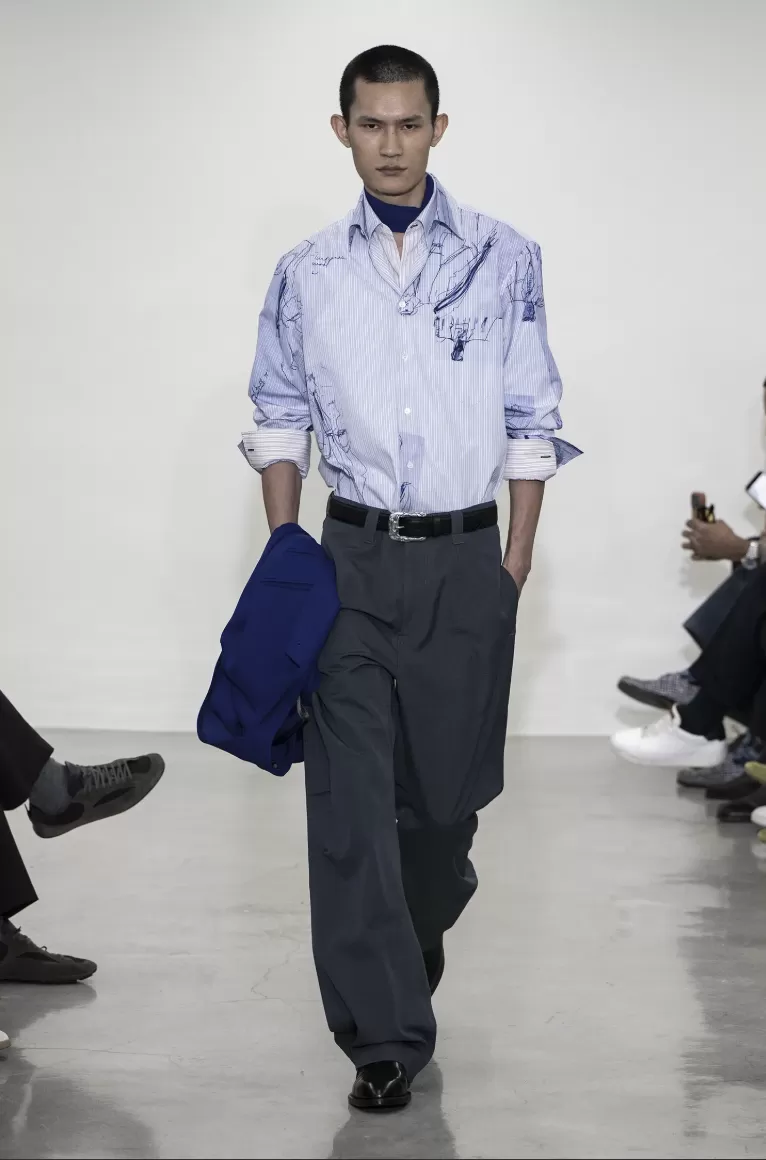
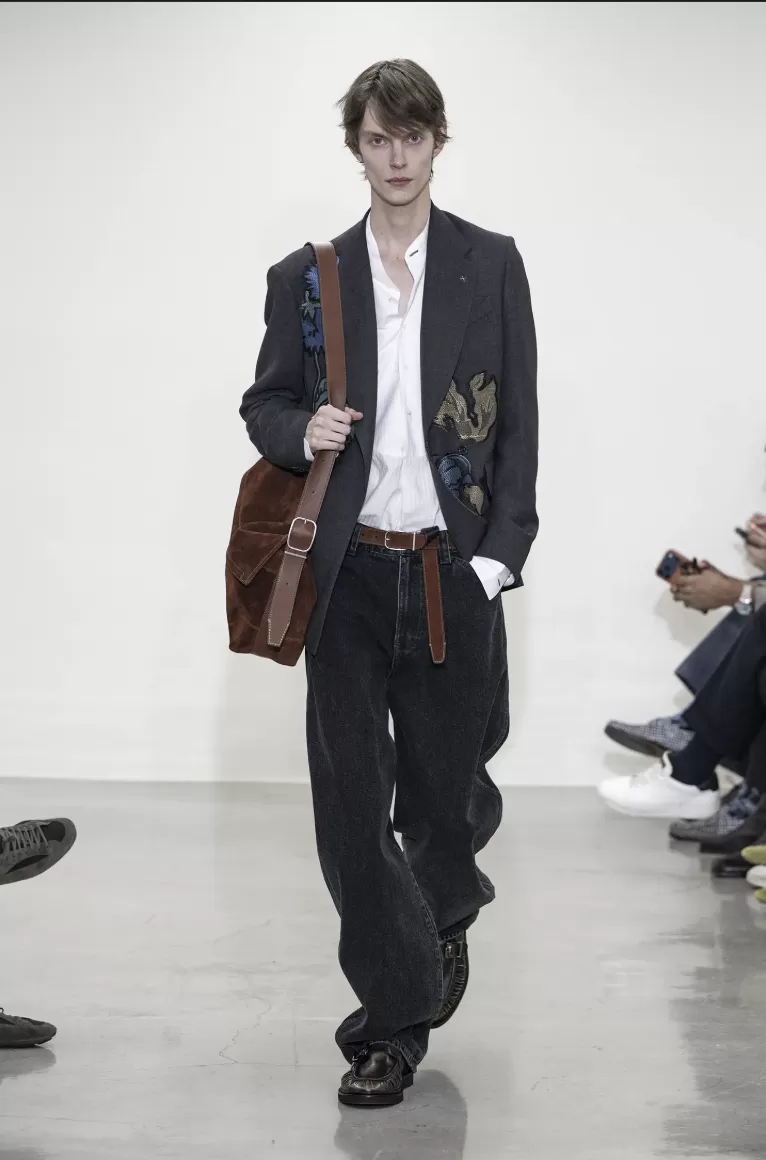
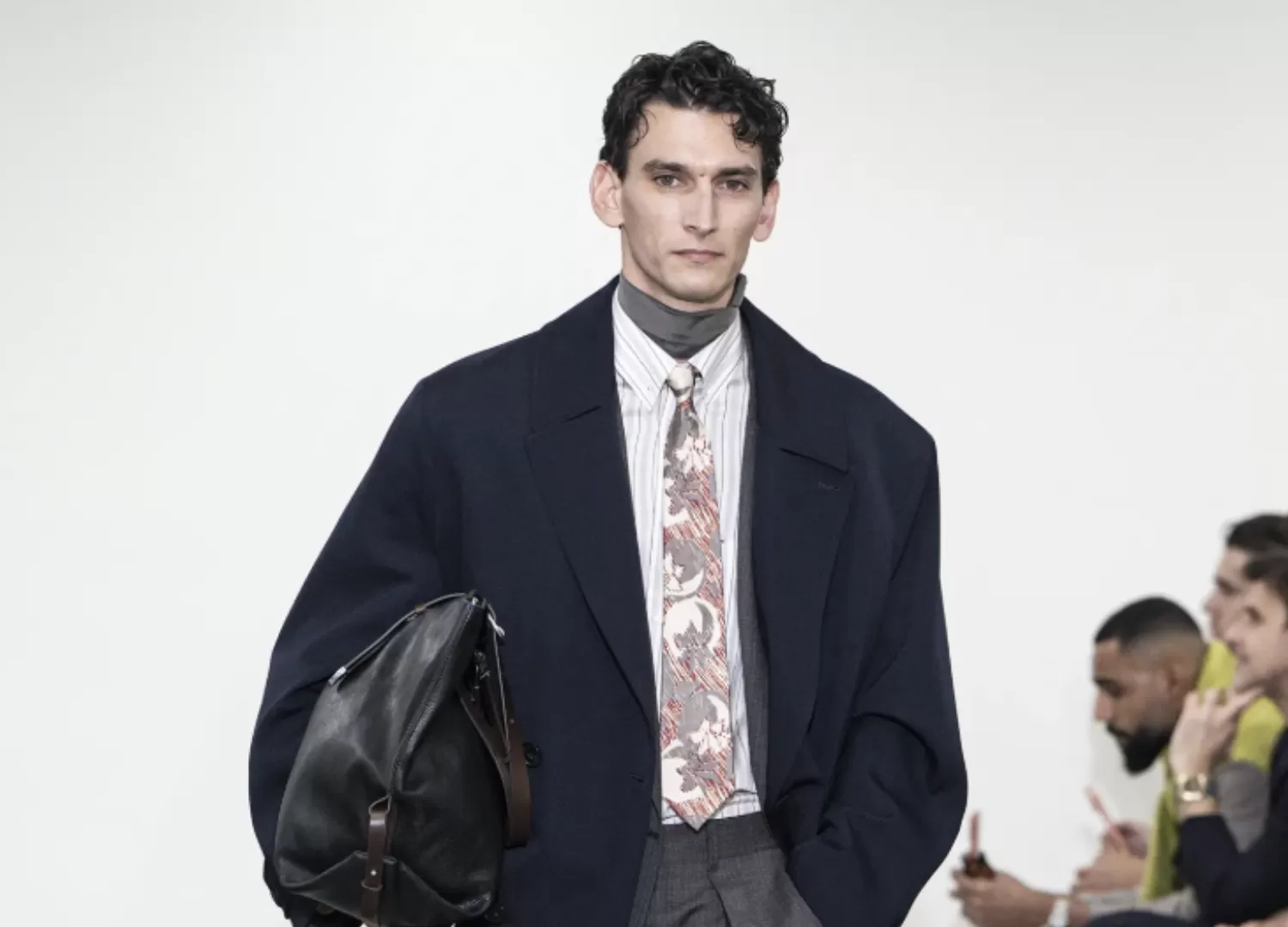
Silhouettes from the late 1980s and early 1990s return refined and liberated from period codes. Jackets are deconstructed, featuring subtle inside-out detailing that reveals the suit’s internal architecture without sacrificing precision or elegance. Technique becomes visual language, while the essence of British tailoring remains intact.
Fabrics such as Harris Tweed and Donegal carry the weight of tradition, yet are handled with the understated wit that has always set Paul Smith apart. These are not garments designed to impress at first glance; they are clothes meant to be worn, creased and lived in — suits that gain character over time.
One of the collection’s most compelling references is Jean Cocteau, the French artist who adopted the suit and tie as a lifelong uniform. His influence surfaces in unexpected details: layered cuffs, delicate transparencies and button covers that feel both archival and distinctly modern. Everything points towards intentional dressing.
The idea of “magpie dressing” — collecting disparate elements and allowing them to coexist — runs throughout. Prints drawn from Smith’s father’s photography archive appear on shirting; polka dots, a recurring house motif, return reimagined through shadow and transparency; and hand-drawn pears inject a playful note into an otherwise serious wardrobe.
The colour palette reinforces this sense of maturity. Deep burgundies, forest greens and rich browns form a grounded base, punctuated by controlled flashes of the brand’s signature vibrancy. Nothing shouts; everything is considered.
Accessories extend the narrative. Bags and belts arrive deliberately distressed, as if already carrying stories before leaving the boutique. In an industry obsessed with pristine newness, this aesthetic of wear feels quietly subversive.
The show space — Paul Smith’s Milan headquarters — became a hybrid of gallery and living room. A mural by Colin Barnes, an artist linked to the brand’s earliest years, stood alongside trompe-l’œil effects and wooden benches printed with everyday objects: scissors, coffee cups, creative talismans that have fuelled Smith’s imagination for decades.
At a time when menswear seems torn between chasing trends or retreating into safe commercial formulas, Paul Smith offers a third path: the suit as a conversation between craft and personality. The Fall Winter 2026 collection may not generate viral frenzy, but it delivers something more enduring — proof that tailoring, reimagined and lived in, remains one of fashion’s most powerful tools for self-expression.
In Milan, surrounded by the world’s great tailoring houses, Paul Smith repeated the argument he has been making for over fifty years. And once again, he was right.