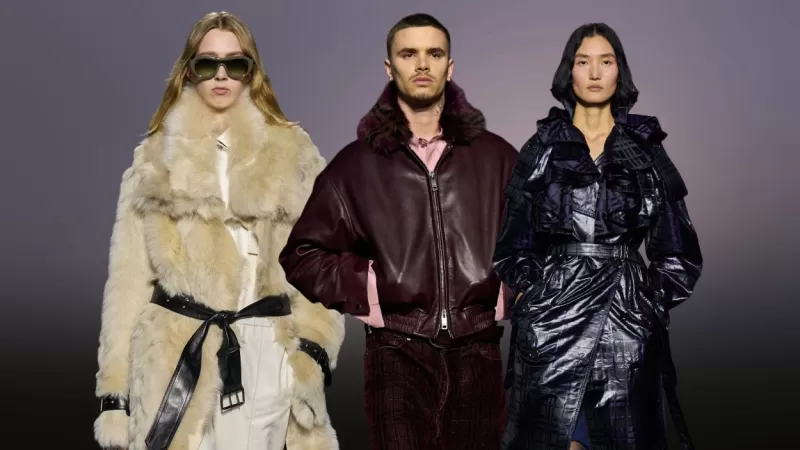

London Fashion Week reignited Burberry’s energy with a nocturnal, urban collection that won over critics and audiences alike.
Burberry’s recent history has, to say the least, been polarising. Since Daniel Lee took over as creative director, the British house has divided opinion between those who embraced his contemporary reinterpretation and those who longed for the brand’s classic spirit. Yet at the latest London Fashion Week, something shifted. This was not just another runway show; it felt like a moment of consensus.
Presented in an atmosphere charged with anticipation, the Autumn/Winter 2026 collection read as a love letter to London — but to its after-dark persona. Moving away from the pastoral imagery of previous seasons, Lee leaned into an urban narrative: stepping out at night, walking beneath streetlights and sharing the collective pulse of the city. In his show notes, the designer described that shared nocturnal rhythm — the sense that everyone moves through the same streets, under the same glow.
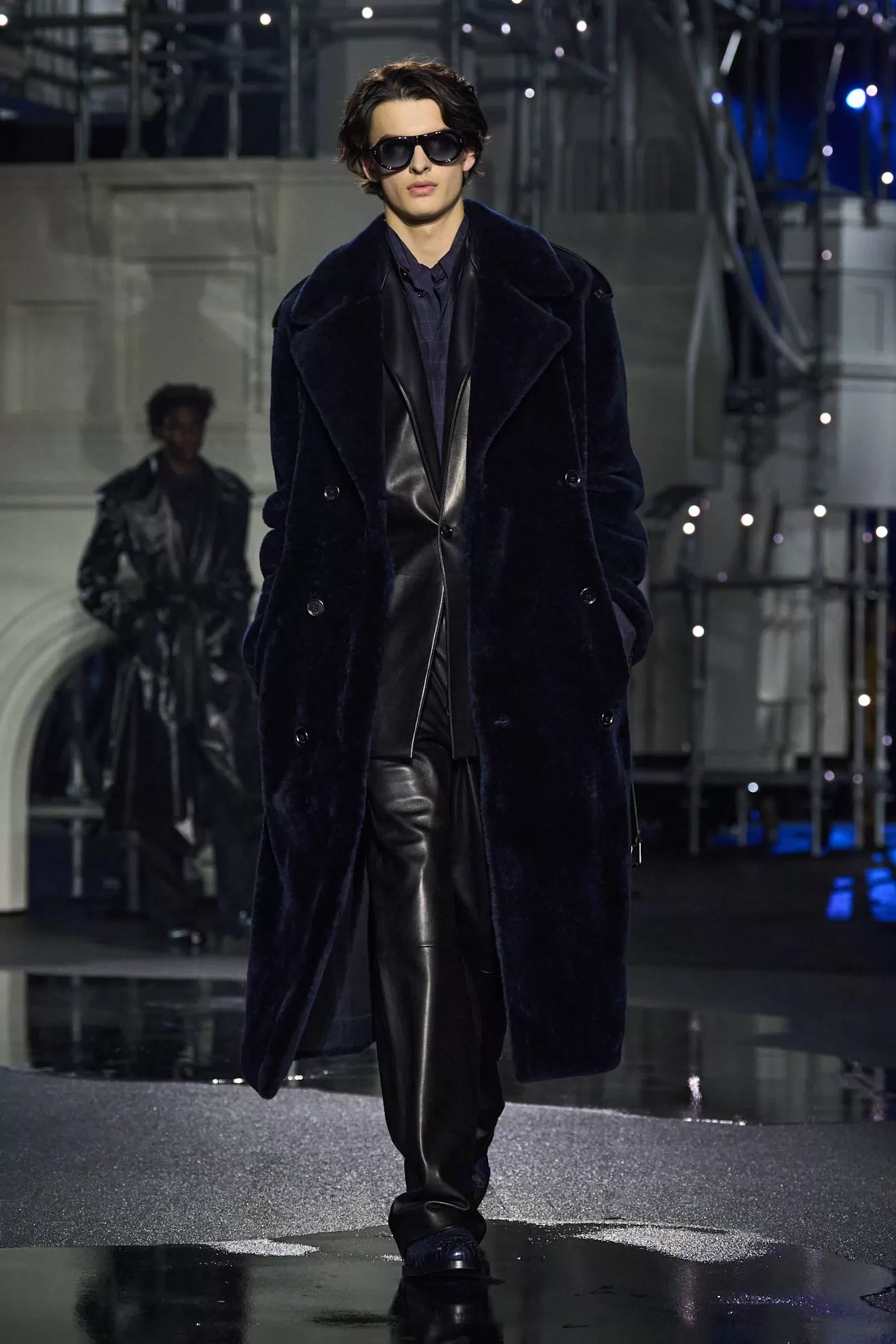
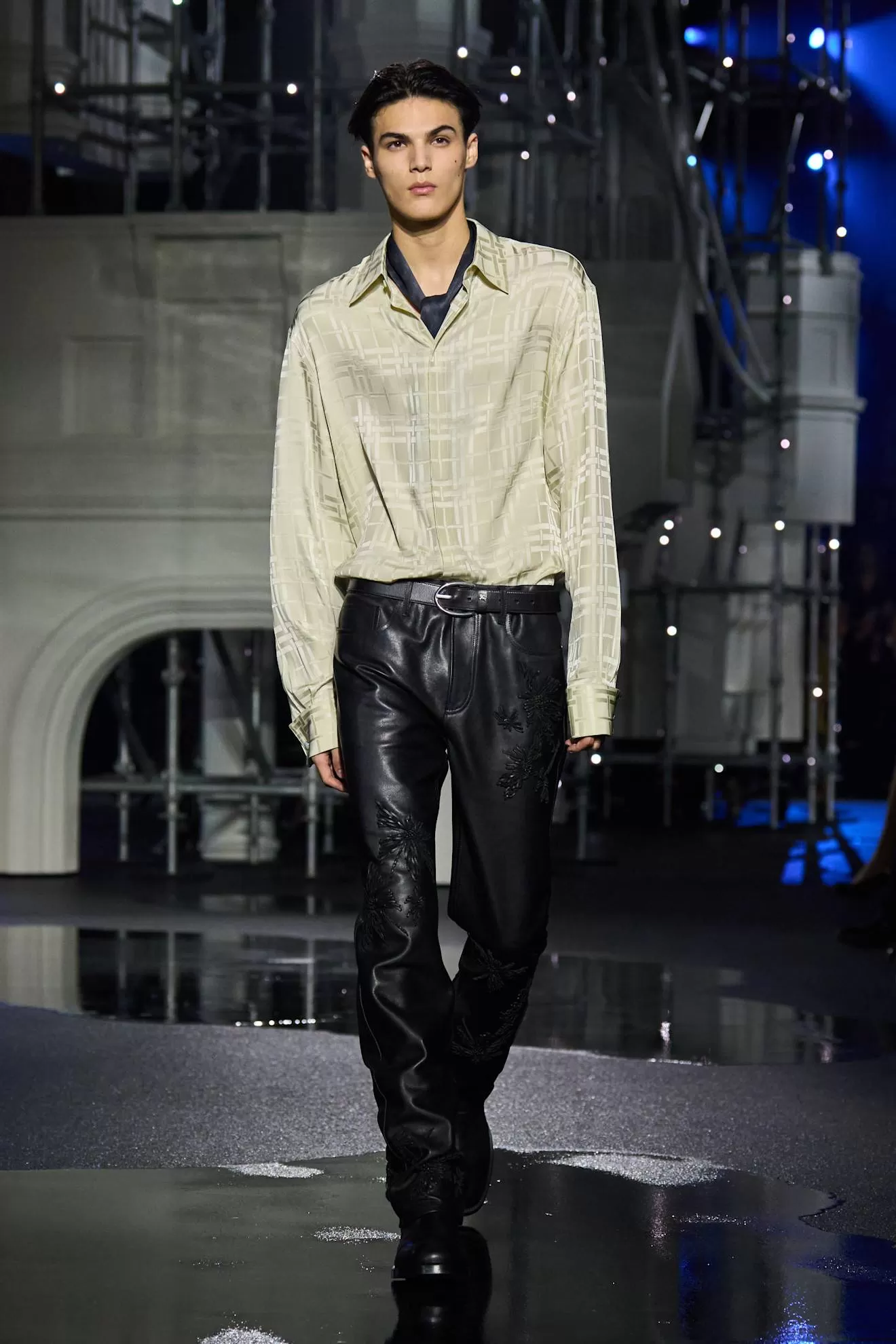
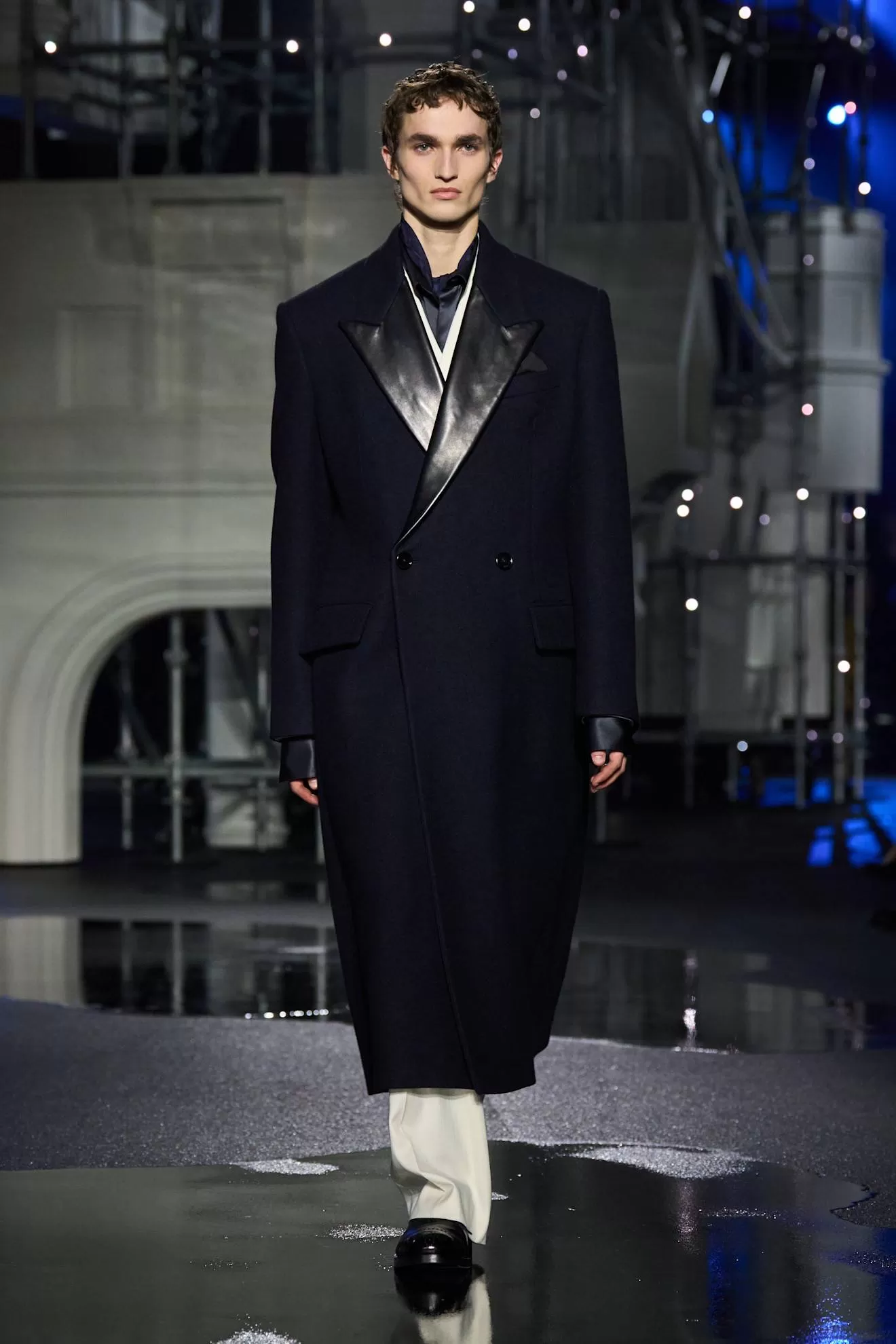
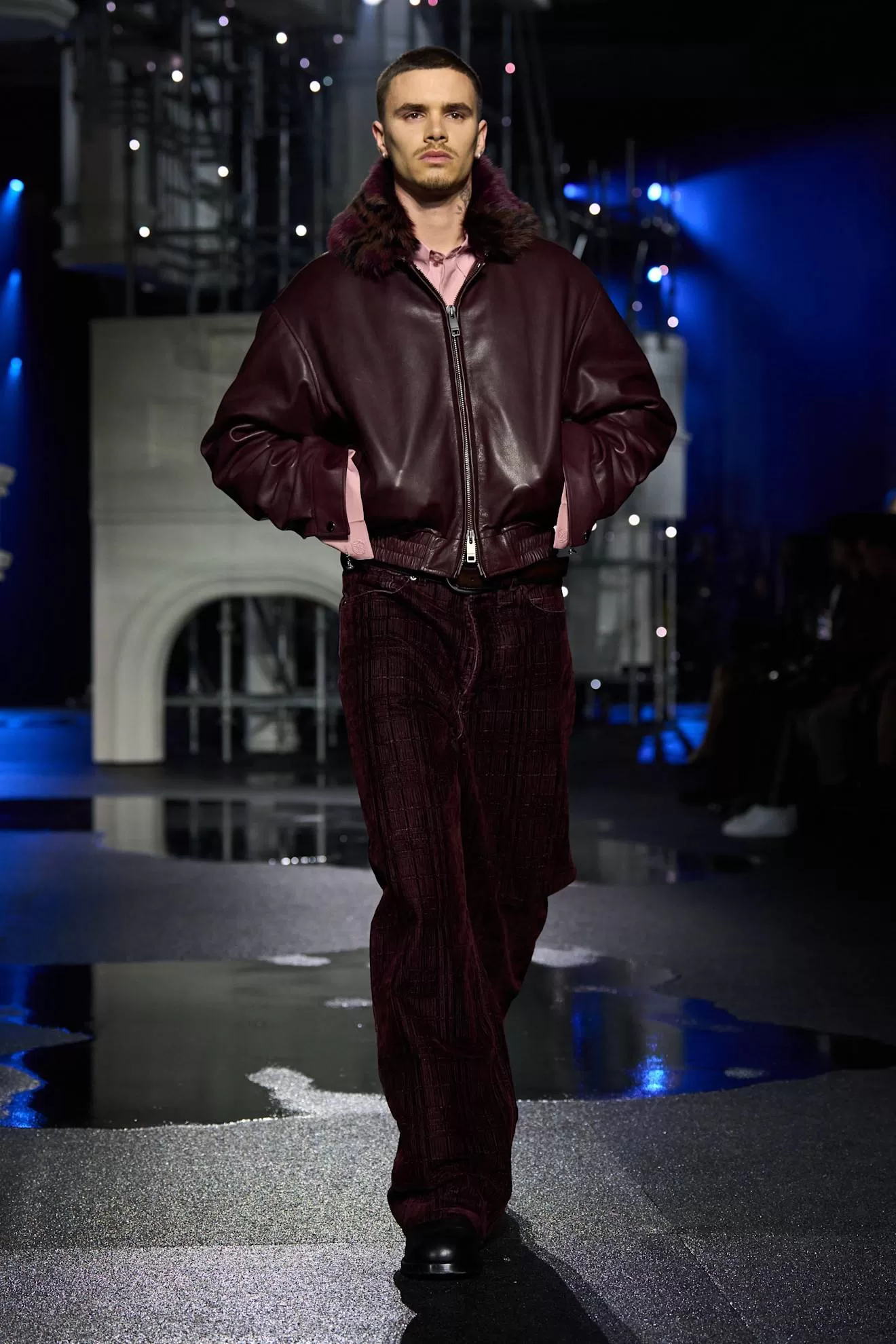
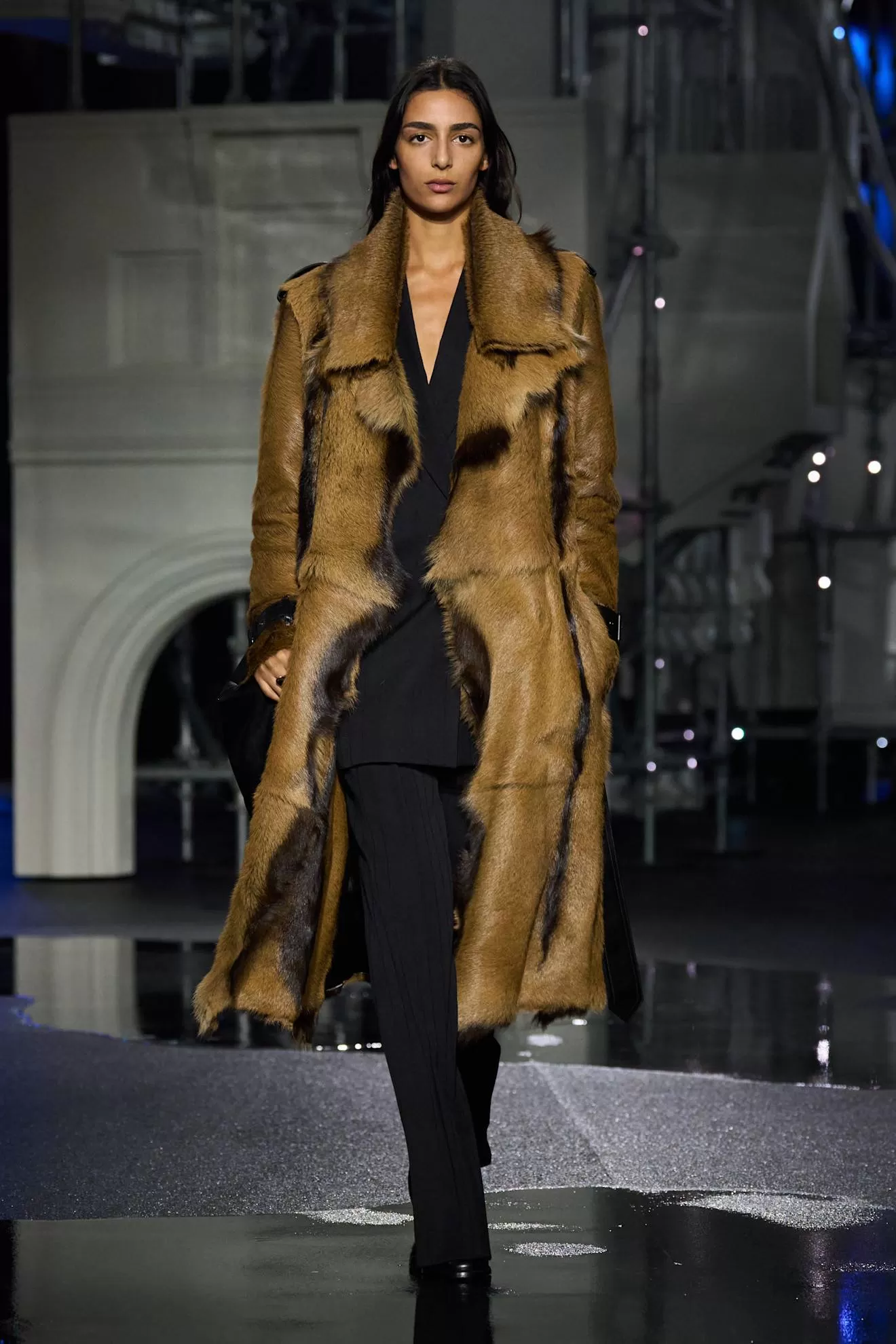
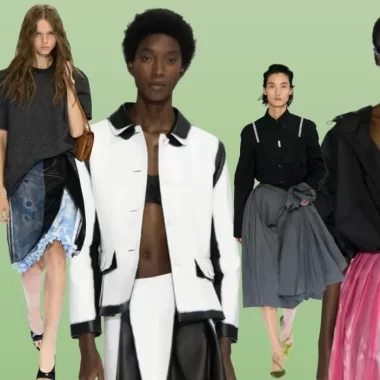
The collection unfolded through characters rather than anonymous models. Archetypes of London life took shape on the runway: the polished night owl, the minimalist socialite, the nonchalant creative. Each was wrapped in layered winter looks that balanced functionality with refinement. Outerwear dominated. Coats expanded in proportion, fabrics gained weight and texture, and the iconic trench coat reclaimed centre stage, reimagined in more structured, contemporary forms.
The colour palette moved away from countryside nostalgia in favour of deeper, more assured tones. Rich browns, polished blacks and sharp chromatic accents projected a newfound aesthetic confidence — one that some critics had yet to associate with this new chapter of the house. The result was a collection that felt cohesive, mature and, above all, convincing.
One of the most talked-about moments came courtesy of the casting. Romeo Beckham walked the runway, underscoring Burberry’s strategy of reinforcing a recognisable, generational British identity. His presence brought immediate attention, blending heritage, celebrity culture and youth appeal. He was joined by Rosie Huntington-Whiteley, further reinforcing the idea of a brand universe that merges legacy with contemporary relevance.
Music played a crucial role in shaping the show’s atmosphere. London artist FKA twigs, alongside DJ Benji B, provided a soundtrack that amplified the sense of nocturnal movement and urban intensity running through the collection. The soundscape heightened the immersive quality of the presentation, turning the runway into a fully realised city scene.
Beyond the garments, the overarching perception was unmistakable: Burberry had rediscovered a clear direction. Where previous seasons sparked debate, this show generated enthusiasm. The house did not abandon its historical identity; instead, it stopped viewing it through a lens of nostalgia and integrated it into a modern vision of metropolitan life.
As the final looks exited the runway, the message felt evident. Burberry had not merely delivered a strong collection; it had issued a statement. The British house once again felt aligned with its own DNA — confident, urban and unmistakably itself.