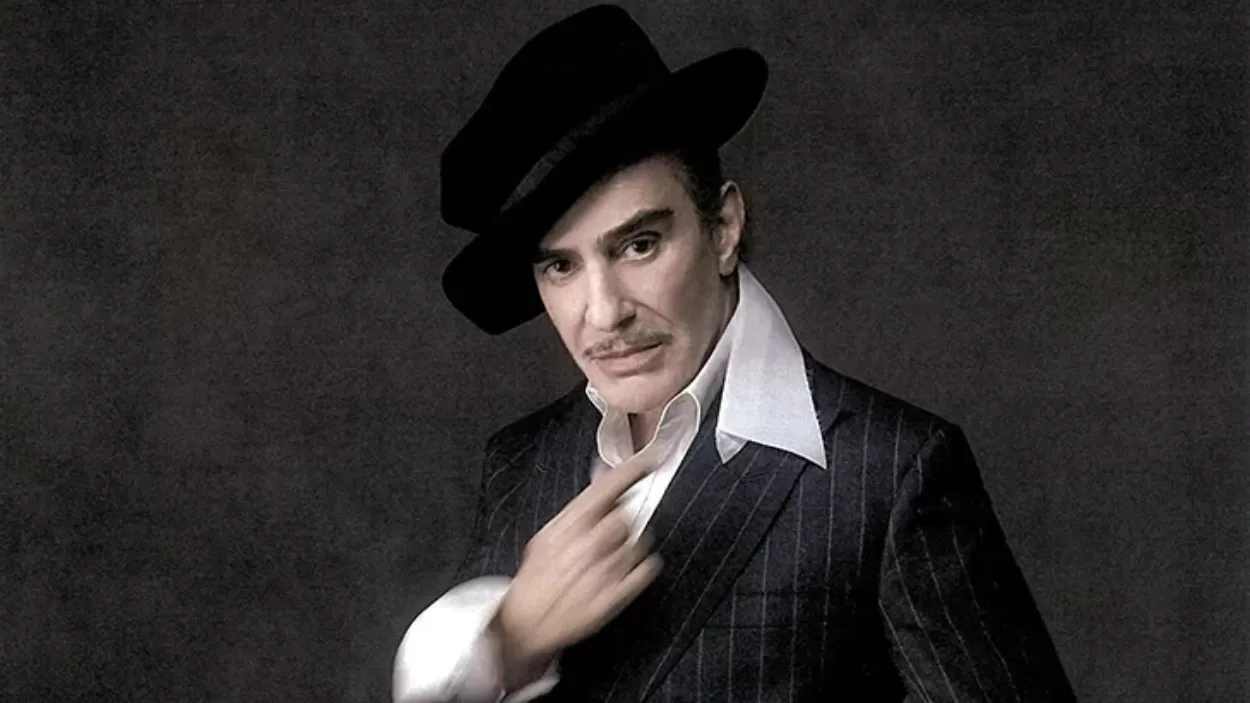

The Metropolitan Museum of Art will pay tribute to John Galliano with a major retrospective exploring both his groundbreaking work and the controversy that permanently altered his career.
The Metropolitan Museum of Art in New York has announced that the Costume Institute’s Spring 2027 exhibition will be dedicated to John Galliano, making the British designer one of the few living fashion creators to receive a solo exhibition in the institution’s history. The exhibition, titled John Galliano: Horizons, will open on 9 May 2027, immediately following the annual Met Gala, and will remain on display until January 2028.
The announcement represents another major recognition for one of the most influential designers of recent decades, whose ability to reshape contemporary fashion has left an undeniable mark on the industry. However, it has also reignited a debate that extends far beyond design itself: how to assess the legacy of a figure whose career was profoundly affected by the antisemitic remarks he made in Paris in 2011.
Rather than avoiding that chapter, the museum has confirmed that the exhibition will include a dedicated section placing those events into historical context while examining the personal and professional consequences that followed. The aim is to present a complete portrait of Galliano’s career, acknowledging both his extraordinary creative achievements and the most controversial period of his public life.
The project has been years in the making. According to the museum, discussions about organising a retrospective dedicated to John Galliano began in 2024 under the leadership of Andrew Bolton, Curator in Charge of the Costume Institute, who had long considered the possibility of dedicating a major exhibition to the British designer.

During the planning process, museum representatives held private meetings with prominent members of New York’s Jewish community to discuss the most appropriate way to present Galliano’s work within today’s historical and cultural context.
Those conversations also included Anna Wintour, Global Editorial Director of Vogue and a trustee of the museum, as well as John Galliano himself. The discussions focused on finding a balance between recognising his immense artistic contribution and ensuring that the seriousness of his past actions would not be overlooked.
Museum officials believe an exhibition of this scale should also serve an educational purpose. For that reason, visitors will begin the exhibition in an introductory gallery exploring the events of 2011 before moving through the rooms dedicated to Galliano’s creative evolution. The institution is also considering additional digital resources and educational material to encourage further discussion around antisemitism, public accountability and the possibility of rehabilitation.
John Galliano’s influence on the history of fashion is difficult to overstate. After graduating from Central Saint Martins, he established himself with highly theatrical collections whose creativity quickly attracted the attention of leading luxury fashion houses. He later led Givenchy before reaching the pinnacle of his career at Christian Dior, where he transformed haute couture between 1996 and 2011 through spectacular runway presentations that redefined fashion storytelling.
His distinctive vision, combining historical references, exceptional craftsmanship, technical innovation and theatrical drama, reshaped the visual identity of the French maison and inspired generations of designers who continue to acknowledge his influence today.
Everything changed in 2011 when videos emerged showing Galliano making antisemitic remarks in a Paris café. He was dismissed by Dior, convicted by a French court for hate speech and removed from the fashion industry. He later entered rehabilitation, publicly acknowledging his struggles with alcohol and drug addiction, and began working with Jewish organisations and community leaders to better understand antisemitism and the impact of his actions.
His return came in 2014, when Maison Margiela appointed him as Creative Director. Since then, he has rebuilt his professional reputation through critically acclaimed haute couture collections, earning renewed recognition from the fashion industry while continuing to dress some of the world’s most prominent public figures.