As the year draws to a close, 2025 leaves a clear map of global fashion: creative crises, shifts in power, technology reshaping luxury and a structural transformation with no turning back.
The year 2025 has been a turning point for the fashion and luxury industry. With the calendar nearing its end, the sector leaves behind twelve months defined by creative crises, strategic pivots, technological acceleration and a profound redefinition of what desire, exclusivity and experience mean today. It has not been a year of stability, but one of necessary recalibration.
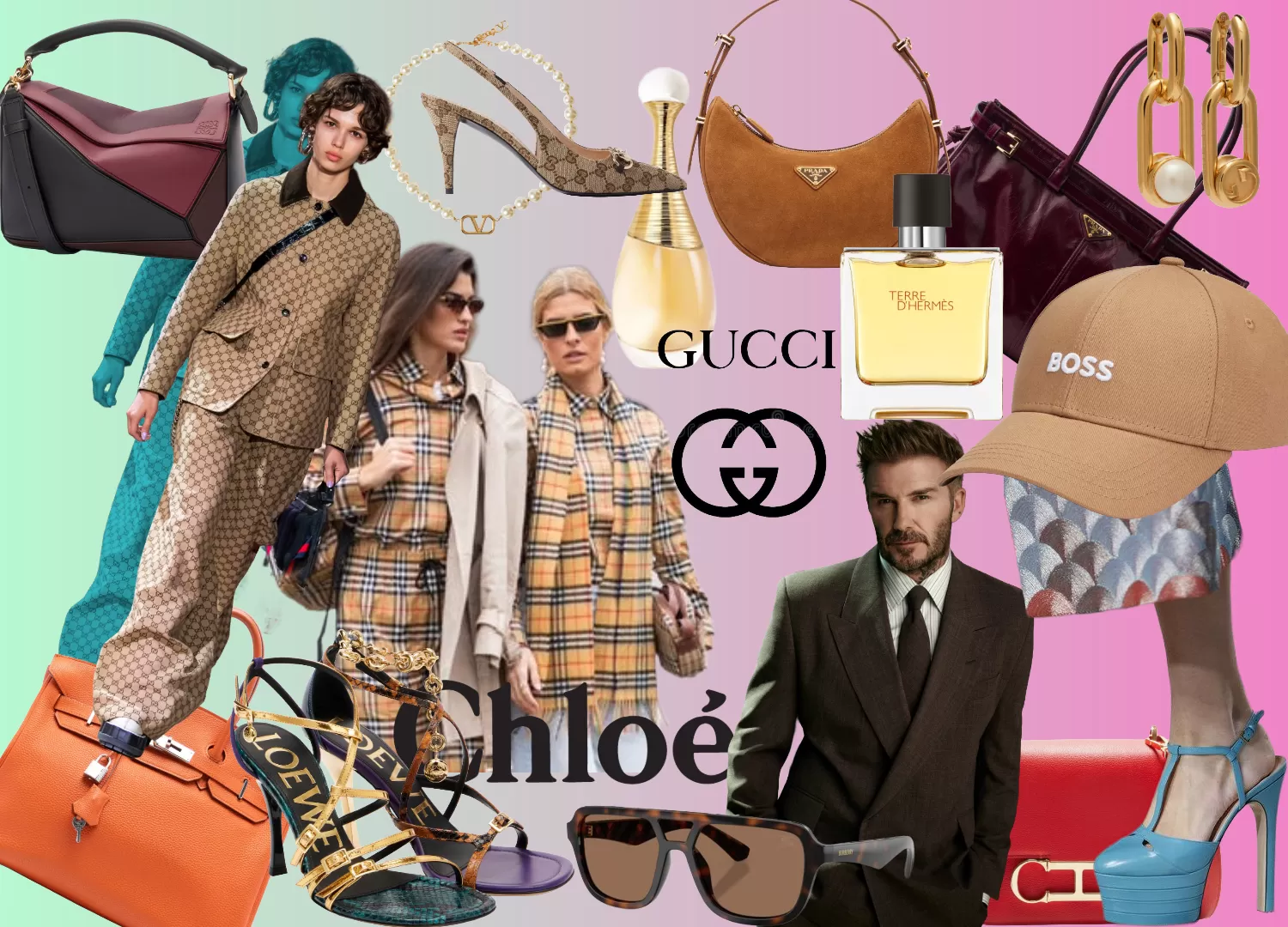
On the creative front, the year was marked by a shared sense of fatigue within the traditional model. Historic houses such as Gucci and Burberry experienced some of their most fragile moments, facing declines in sales, a loss of cultural relevance and a visible disconnect from the contemporary consumer. The outcome was inevitable: radical changes in creative leadership and a deep reassessment of aesthetic and commercial codes.
Against this backdrop, 2025 also became the year of new leadership. The appointment of Jonathan Anderson at Dior Men, following his defining tenure at Loewe, was widely seen as one of the most ambitious moves in recent luxury history, placing menswear firmly at the centre of the creative conversation. At the same time, David Beckham debuted his own line with Hugo Boss, reinforcing the rise of cultural icons transitioning into designer-entrepreneurs, connecting with a broad audience while maintaining a premium positioning.
The international calendar itself was rewritten. One of the most symbolic gestures of the year was Carolina Herrera’s decision to leave New York and present in Madrid, a move that highlighted the shift of creative power towards new capitals and questioned the long-standing dominance of the traditional Fashion Week system.
On the corporate stage, the clash between giants produced one of the year’s most revealing images. Hermès surpassed LVMH in market value, consolidating a model built on controlled scarcity, iconic products and absolute brand coherence. Meanwhile, LVMH faced a challenging 2025 across several key markets, confirming that scale alone no longer guarantees stability or automatic growth.
Technology emerged as another defining force of the year. The integration of artificial intelligence into luxury consumer products moved from concept to reality. The launch of Ray-Ban Meta smart glasses, offering real-time translation and live streaming, marked a turning point in the relationship between fashion, functionality and everyday life. Alongside this, advances in interactive fashion, extreme personalisation and bioengineering began to outline a future where products adapt to the user — not the other way around.
The year was also shaped by increased institutional pressure. The European Commission imposed fines on brands such as Gucci, Chloé and LO over anti-competitive practices, challenging the industry’s ethical image and forcing internal operational reviews. In response, many houses doubled down on experience as a key differentiator, expanding the concept of retail into hybrid spaces where fashion, gastronomy and culture coexist — a strategy historically championed by Armani and replicated throughout 2025 by Prada, Gucci and other leading maisons.
In terms of global expansion, Lacoste strengthened its presence in the United States and Latin America through strategic openings, while brands such as HOFF focused on diversification by launching children’s lines, anticipating the next generation of premium consumers.
As 2025 comes to an end, the message is unmistakable: fashion can no longer rely on aesthetics alone. Creativity, technology, ethics, experience and business now form an interdependent system. The brands that understood this transformation did not merely survive the year — they laid the foundations for the luxury landscape ahead. Those that did not now face a defining 2026.