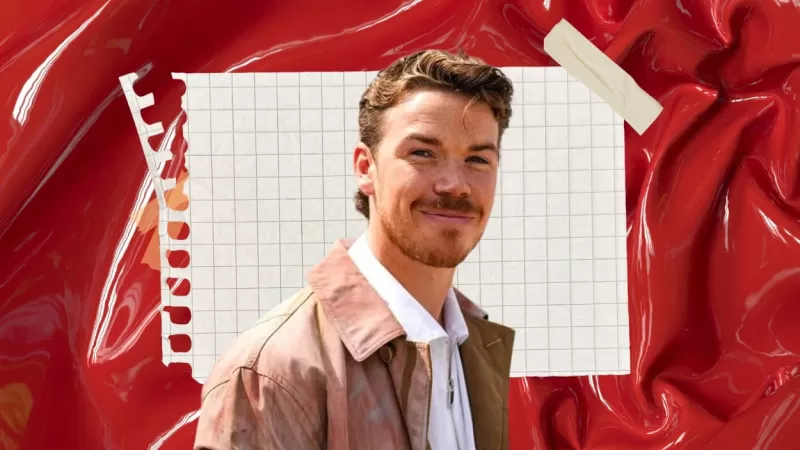

The British actor ignites a heated political and cultural debate after reflecting on immigration, privilege and the public role of celebrities.
Will Poulter has found himself back in the headlines — this time far from a premiere or red carpet. The 32-year-old actor sparked sharp division in the United States after speaking out about immigration and the current political climate during his appearance at the Sundance Film Festival, where he premiered his new film Union County, co-starring Noah Centineo, Elise Kibler, Emily Meade and Annette Deao.
In comments made to Variety, Poulter addressed immigration policies associated with the administration of Donald Trump, including the widely criticised raids carried out by ICE. “It’s really upsetting to see people forget that we’re a country we have immigrants to thank for,” he said, before broadening the point to his home country. “I feel the same way about the UK.”
Striking a measured tone, Poulter was careful to separate personal opinion from activism. “As an actor, I don’t want to conflate my influence with the ability to create real change,” he explained, “but I do try to think about how I can draw attention to certain issues to raise awareness or motivate people.” He was equally clear about the limits of his role: “I’m aware I’m an actor, not an activist. There are people whose job that is — mine is to help shine a light on it.”
The remarks quickly went viral, triggering a wave of reactions across social media. From conservative circles, particularly those aligned with the Republican Party, came criticism arguing that Poulter — as a British citizen — had no place commenting on US politics. Some accused him of being patronising, while others questioned whether wealthy celebrities should speak on realities they believe they do not personally experience.
Yet the backlash was far from universal. Many fans and commentators defended the actor, praising his restraint and his refusal to present himself as a political authority. “I appreciate that he talks about social issues without pretending to be a full-time activist,” wrote one supporter, while another cut to the heart of the debate: “Both the US and the UK were built by immigrants — whether people like it or not.”
The episode once again highlights a recurring cultural fault line: how far public figures should go in expressing political views. In Will Poulter’s case, his comments have opened a broader conversation that extends beyond nationality or profession, reflecting a deeply polarised society where even cautious statements can become flashpoints.