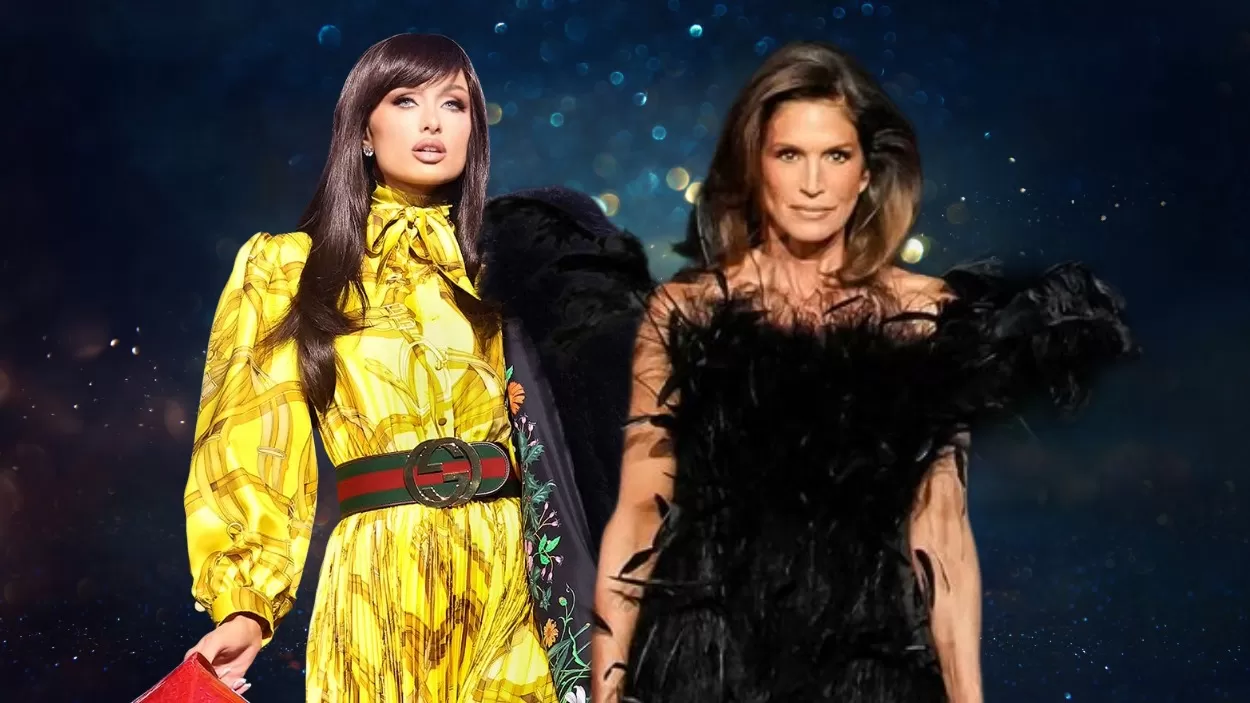

Gucci’s Cruise 2027 collection transforms the heart of New York into a gigantic immersive campaign where fashion, pop culture and mass consumerism collide.
In an industry obsessed with constantly surprising audiences, very few fashion houses manage to create a genuine moment of collective impact. Yet Demna once again proved why he remains one of the most influential and provocative creatives in contemporary fashion by transforming Times Square into a monumental advertising installation for the unveiling of the new Gucci Cruise 2027 collection.
For weeks, the show remained shrouded in total secrecy. No exact location or timing was revealed until just hours before the event. And when guests arrived at the intersection of 48th Street and Seventh Avenue, they immediately understood why: Gucci had shut down the central core of Times Square, turning the visual epicentre of American capitalism into a monumental runway.
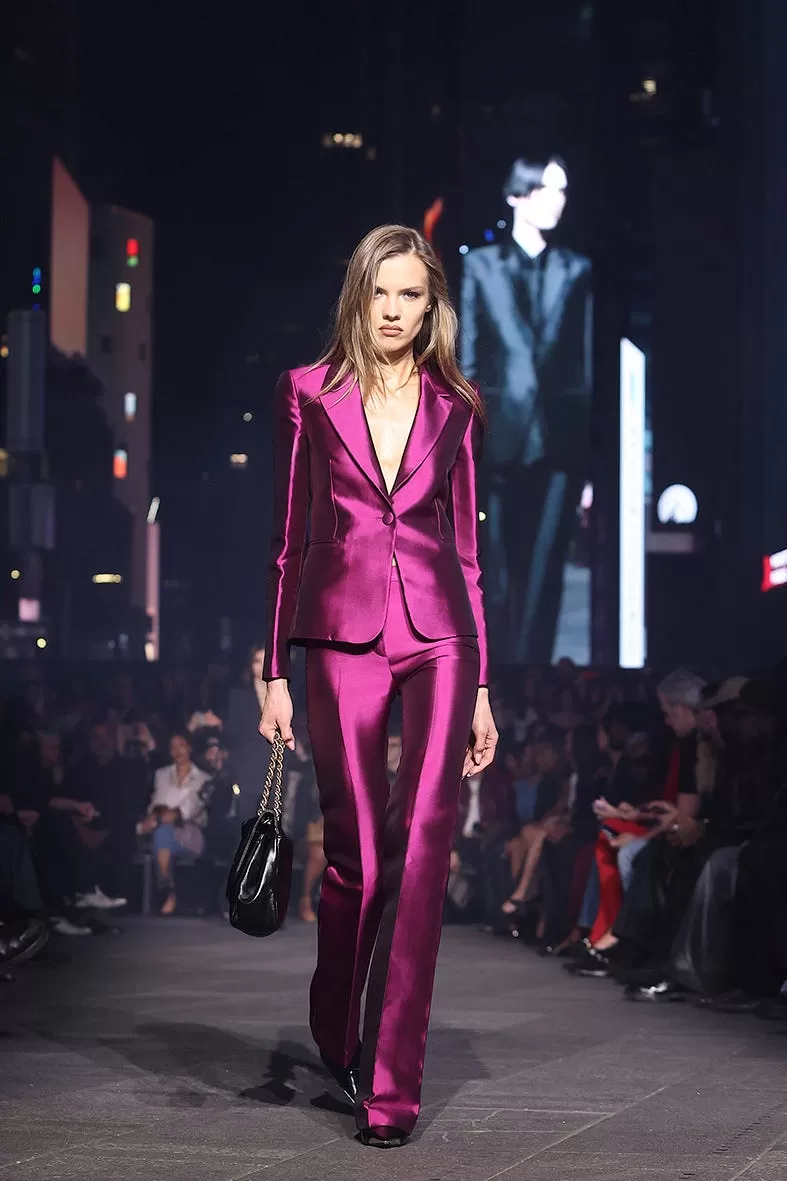
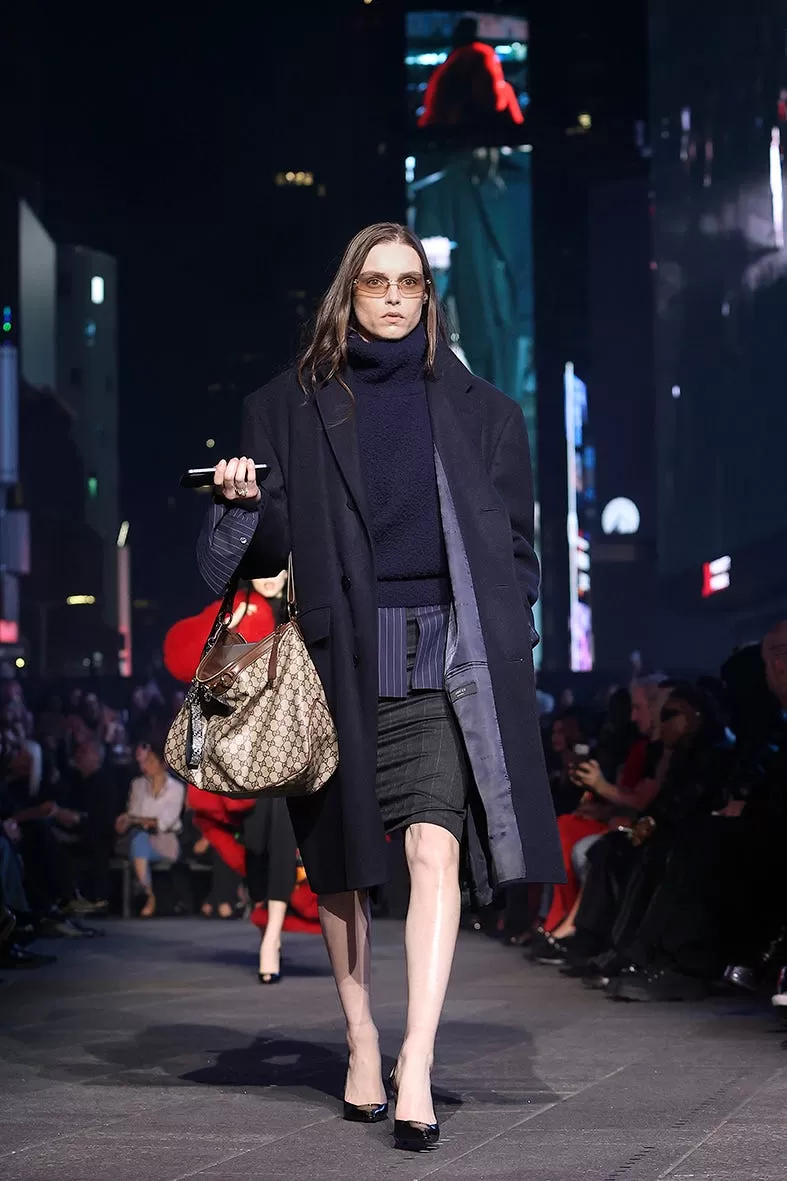
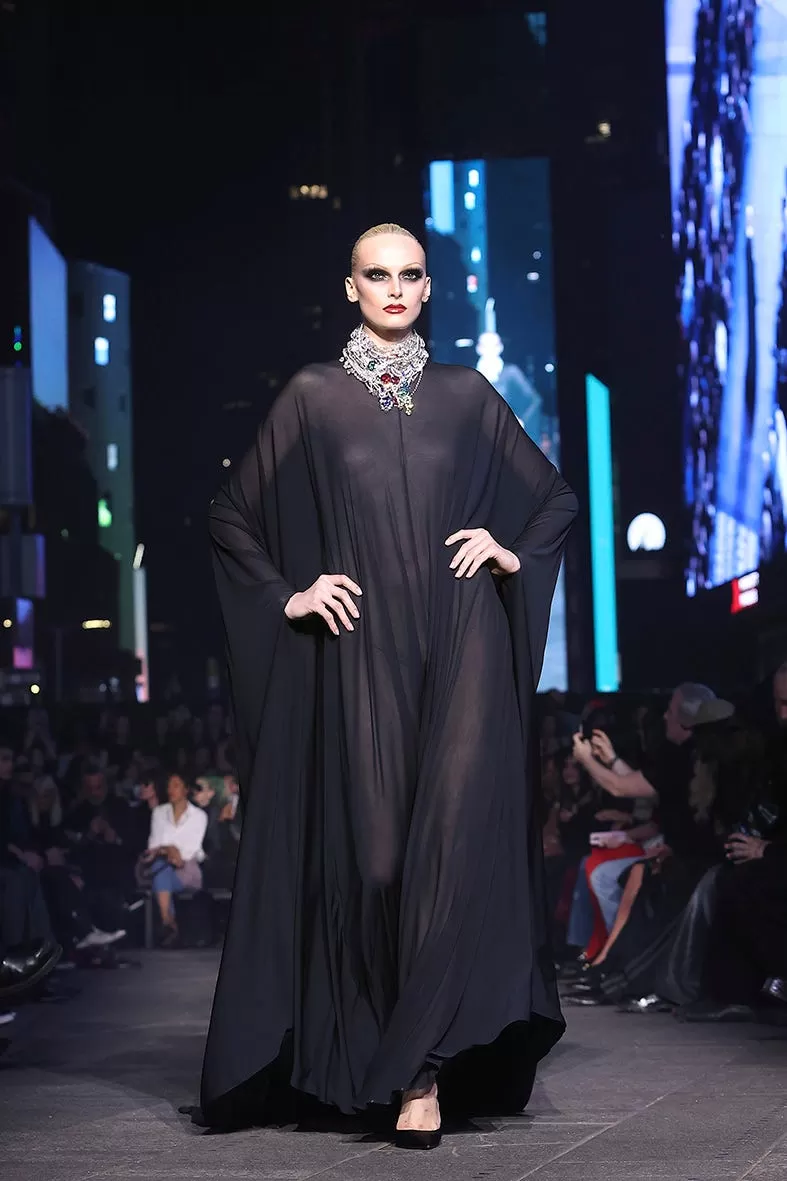
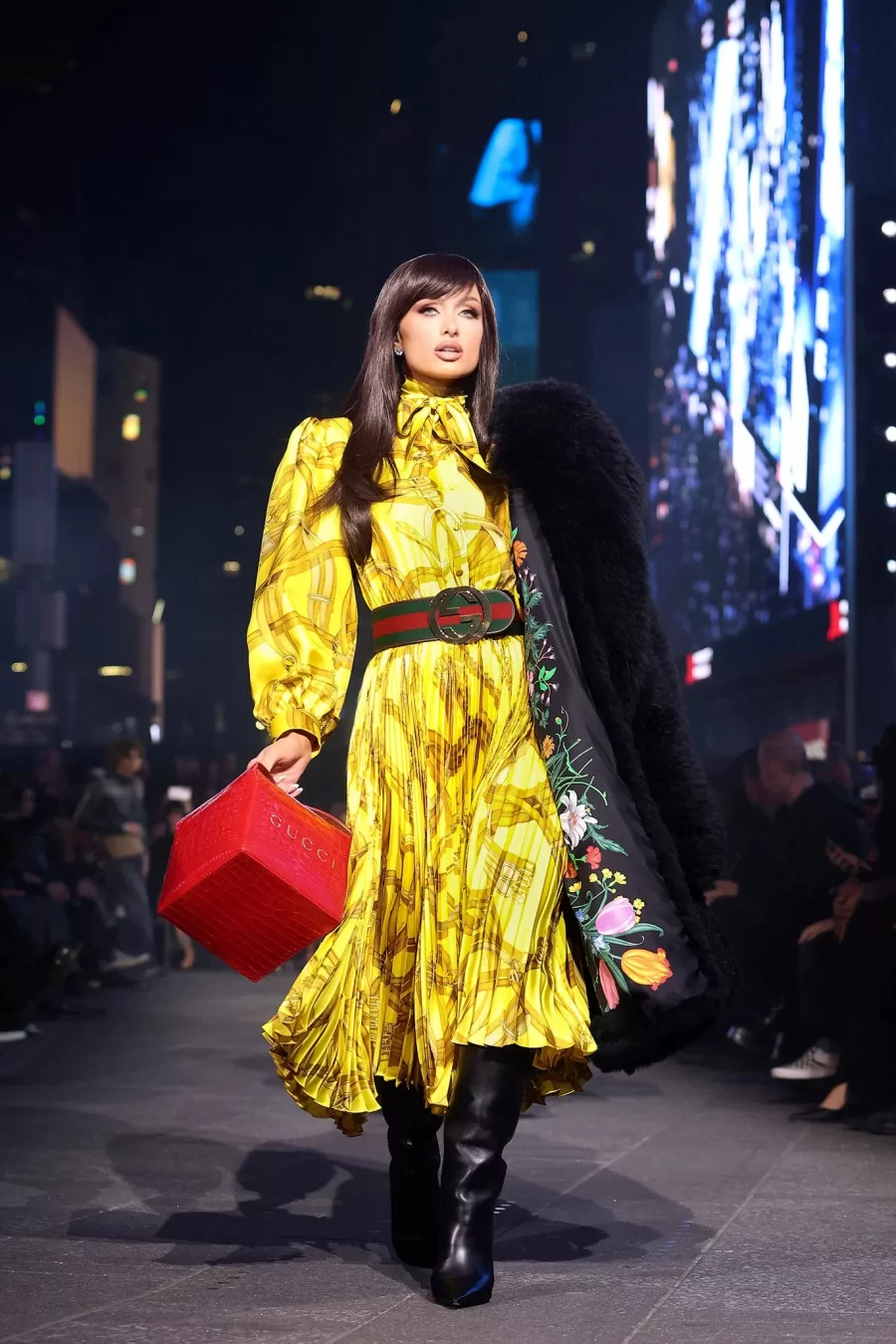
Gigantic screens, impossible lights, frozen tourists and an almost cinematic energy created the perfect setting for Demna’s most ambitious resort debut to date. Most of the enormous advertising billboards surrounding Times Square were taken over by Gucci for the entire evening, creating the sensation that Manhattan itself had been absorbed into the universe of the Italian maison.
The concept extended far beyond a traditional fashion show. Demna built an immersive experience where spectacle and irony constantly coexisted. Before the runway even began, the giant screens displayed fictional campaigns created with an apparently AI-generated aesthetic: adverts for Gucci Pets, Gucci Gym and imaginary product categories that blended luxury, satire and digital culture. Everything functioned as an extension of “Guccicore”, the designer’s new aesthetic vision intended to redefine the essential wardrobe of the contemporary Gucci customer.
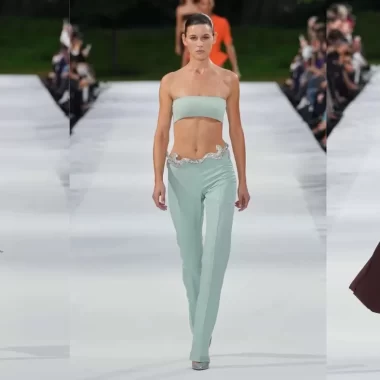
Within that narrative appeared pieces far more connected to the concept of an urban uniform: structured shirts, pencil skirts, reworked classic coats and pinstripe tailoring pushed towards a more aggressive and sensual aesthetic. Demna preserved elements of the oversized and deconstructed identity that defined his work at Balenciaga, but now filtered through Gucci’s historic design codes.
.webp)
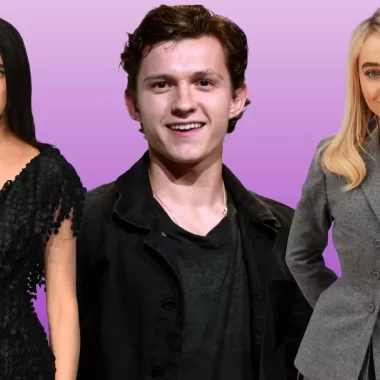
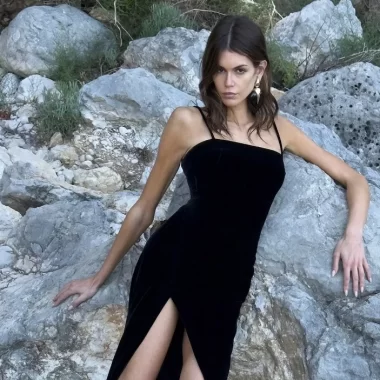
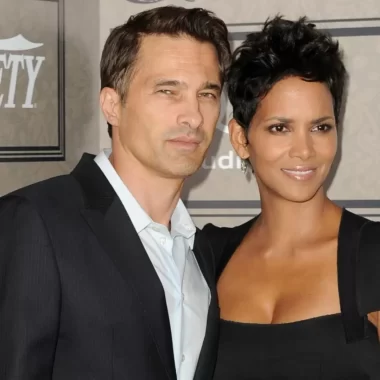
The runway was filled with iconic figures from both fashion and celebrity culture. Paris Hilton appeared wearing a deliberately artificial brunette wig and a yellow 1960s-inspired dress, while Sophia Lamar walked draped in a dramatic fur coat paired with a black skirt featuring an extreme thigh-high slit. Model Alex Consani delivered one of the evening’s most theatrical moments in a sheer black caftan layered with multicoloured jewellery, while Cindy Crawford closed the show in a feather-covered black gown that perfectly encapsulated the decadent glamour running throughout the entire collection.
One of the evening’s most unexpected moments came with the appearance of Tom Brady on the runway. The presence of the legendary American football player reinforced the idea of Gucci as a cross-cultural phenomenon capable of merging sport, luxury, spectacle and global consumerism within a single visual narrative.
Yet beyond the immediate impact, the show also functioned as a commentary on the current state of the luxury industry. Demna posed uncomfortable questions about how fashion is consumed today: whether desire genuinely comes from the product itself or from the spectacle surrounding it.
The collection also reflected a deeply New York interpretation of elegance. Rather than embracing traditional Milanese refinement, Demna leaned into a rawer, nocturnal and more effortless aesthetic. Slightly undone silhouettes, dirty glamour, exaggerated make-up and a far more urban sensuality constructed a visual narrative where sophistication seemed to emerge directly from the streets of Manhattan.