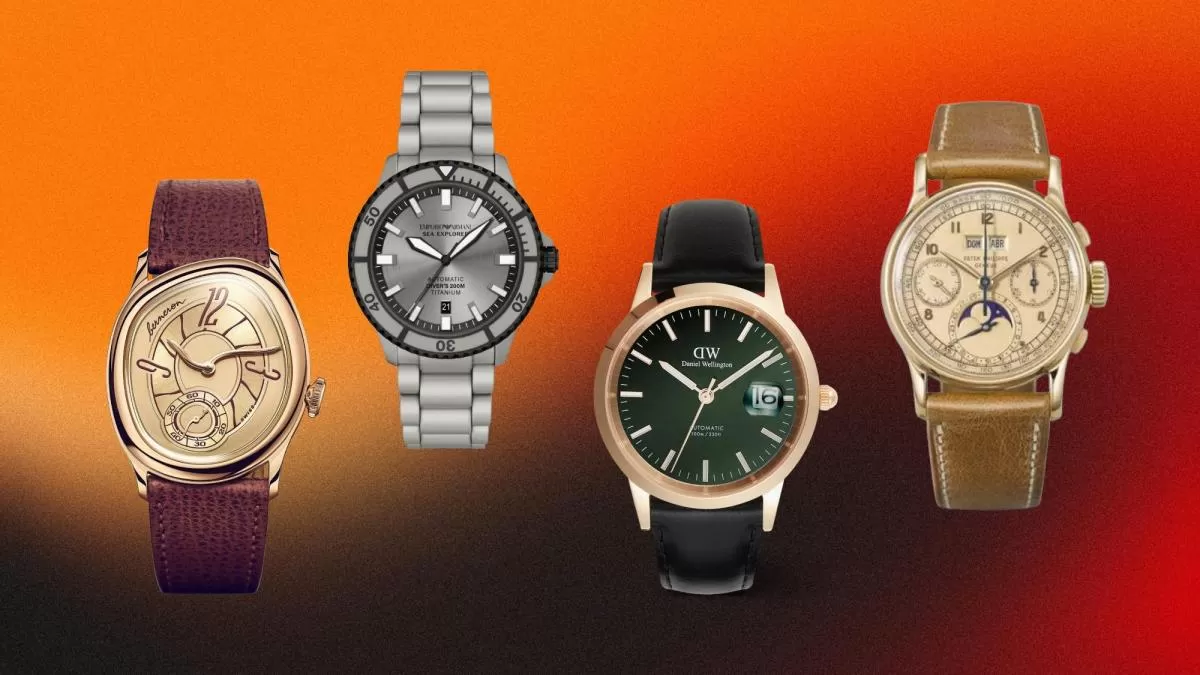

We select nine watches for every budget in 2026, from automatic models costing €349 to exceptional pieces by Patek Philippe, Richard Mille, Rolex, Bvlgari and MB&F.
How much do you really need to spend to buy an interesting watch in 2026? The answer ranges from a few hundred euros to several million. And while directly comparing a Patek Philippe ref. 1518 with an automatic Daniel Wellington would make little sense from a purely horological perspective, placing them in the same ranking offers an insight into the different entry points to the industry.
We have selected nine particularly interesting models and ranked them from most to least expensive, using prices available in Spain or, where no direct Spanish retail price exists, their approximate equivalent in euros. For historical pieces and watches produced in extremely limited numbers, the secondary market and provenance can dramatically affect these figures.
1. Patek Philippe ref. 1518 — approximately €3.5 million
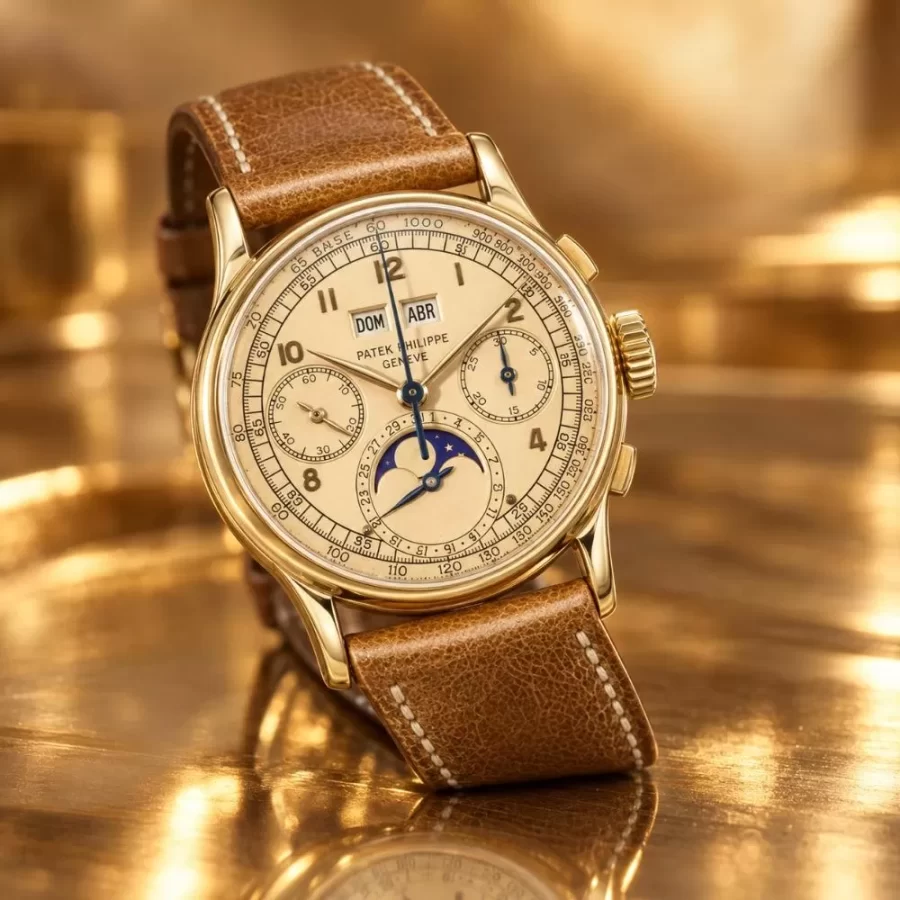
The Patek Philippe ref. 1518 occupies a significant place in the history of haute horlogerie. Introduced in 1941, it was the first perpetual calendar chronograph to be produced in series, although the term “series production” is relative: only 281 examples were made.
Its value depends enormously on the metal, dial, condition and provenance. Recent examples have sold for well over €3 million, while certain exceptional configurations command even higher figures.
More than simply a watch, the ref. 1518 has become a collectors’ asset and a historical benchmark for understanding the evolution of Patek Philippe’s grand complications.
2. Richard Mille RM 75-01 Flying Tourbillon Sapphire — from approximately €2.1 million
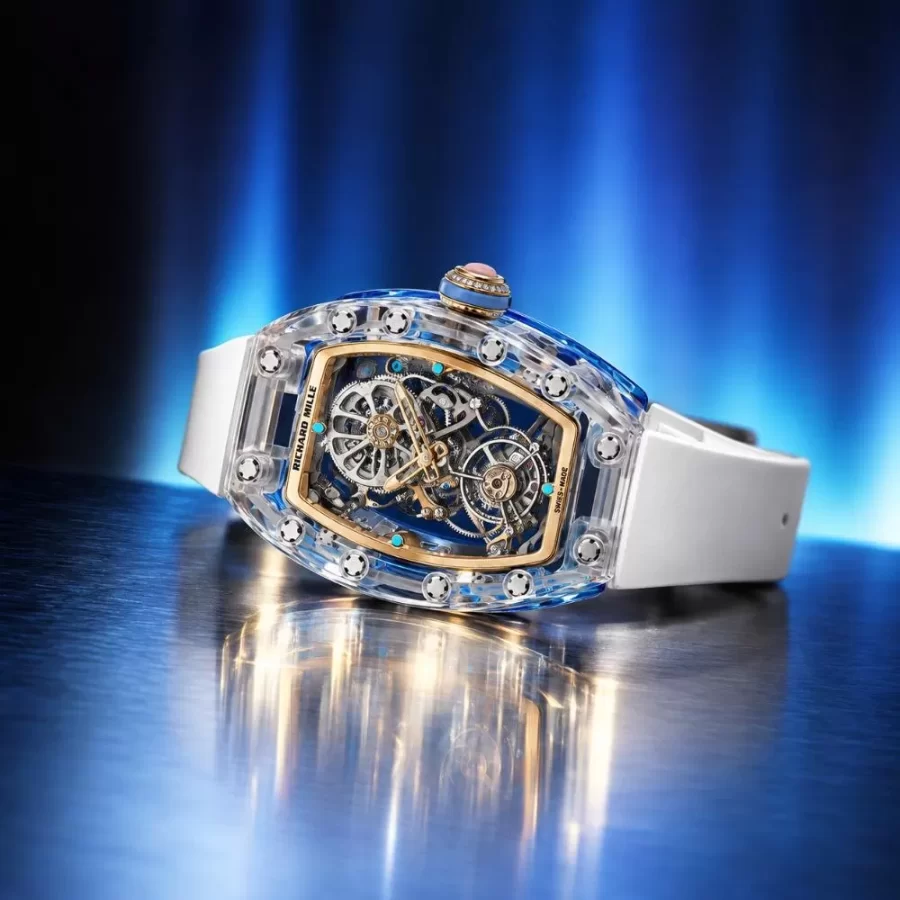
Richard Mille takes the use of sapphire to one of its technical extremes with the RM 75-01 Flying Tourbillon Sapphire. Its transparent case reveals a skeletonised movement equipped with a flying tourbillon and flying barrel.
Manufacturing the case requires more than a thousand hours, while the different versions are produced in extremely limited quantities.
With Spanish taxes applied to its international retail price, the transparent version starts at approximately €2.1 million.
This is less about traditional watchmaking and more about mechanical engineering transformed into an experimental luxury object.
3. Bvlgari × MB&F Serpenti — from approximately €169,400
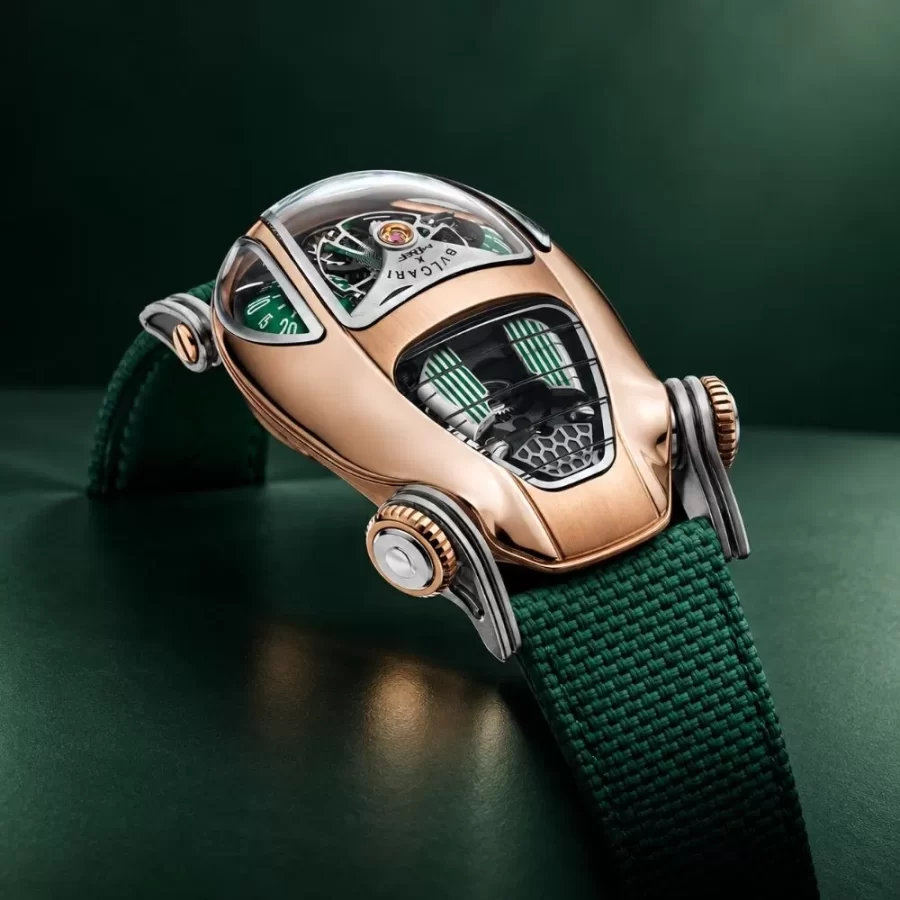
Two seemingly incompatible creative worlds come together with surprisingly compelling results. Bvlgari contributes one of its historical icons, while MB&F transforms it into something resembling a mechanical creature.
The hours and minutes are displayed on two domes that visually resemble eyes, while a large balance wheel occupies the central section.
The manually wound movement incorporates more than 300 components and offers approximately 45 hours of power reserve.
With production limited to just 33 pieces per version, prices start at approximately €169,400, increasing depending on the material selected.
4. Berneron Mirage Sienna — approximately €94,000
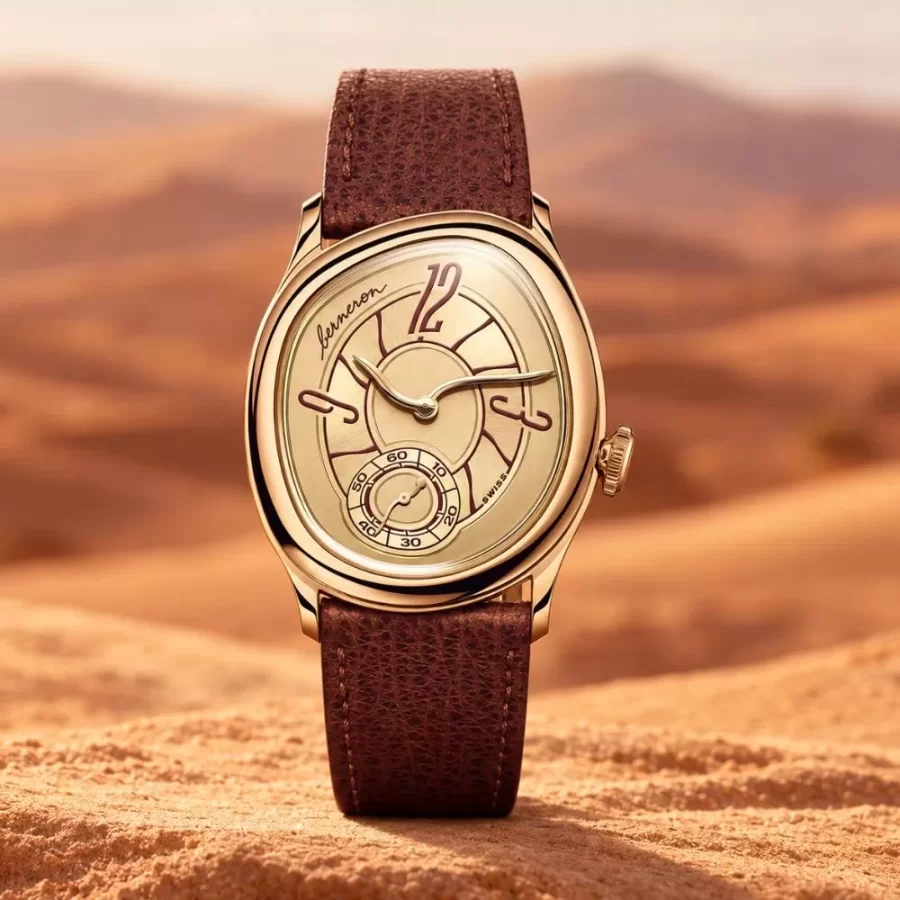
The Mirage Sienna demonstrates why Berneron has rapidly become one of the most closely watched names in independent watchmaking.
Its distinctive asymmetrical case is not simply an aesthetic decision: its shape is dictated by the architecture of the movement itself. The exceptionally slim, manually wound calibre also incorporates gold components in places that would normally remain hidden.
With an equivalent price of approximately €94,000, this is far from a conventional purchase.
Limited production and existing demand mean that securing one can be considerably more difficult than simply having the necessary budget.
5. Rolex Perpetual Padellone — from €57,250
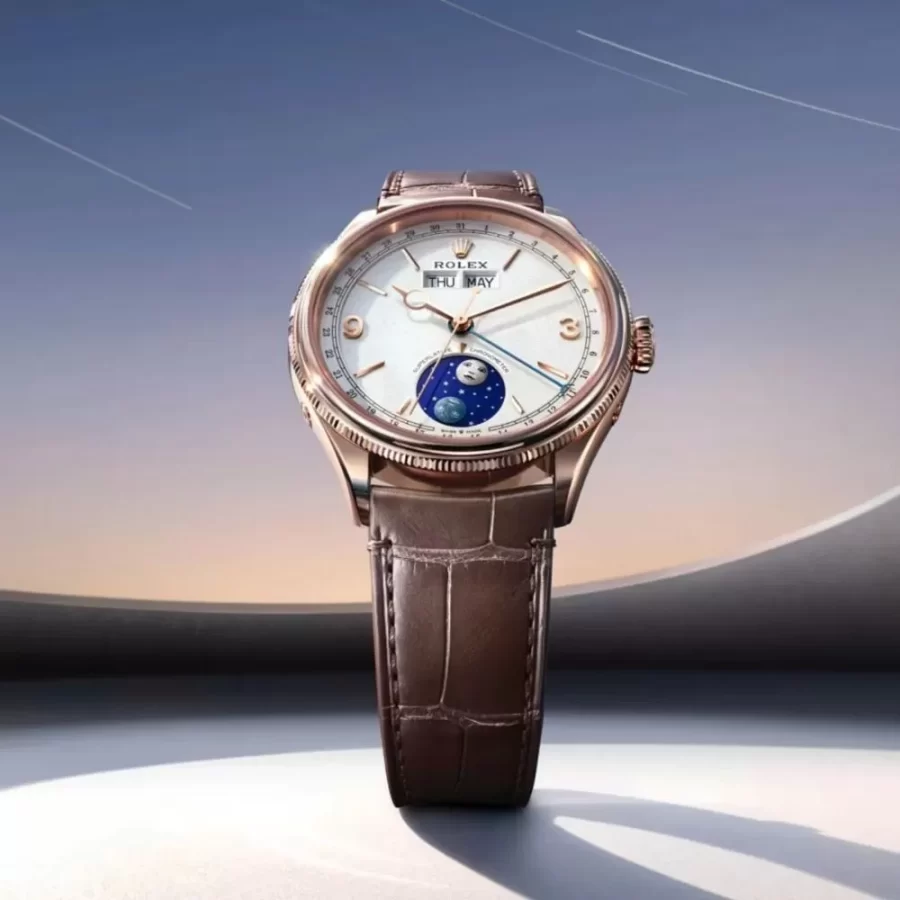
One of Rolex‘s major new releases for 2026 revives a name associated with one of the manufacture’s most distinctive historical references.
The new Perpetual Padellone represents a far less conventional side of Rolex than the Daytona, Submariner or GMT-Master II.
It features a sophisticated calendar, moonphase display and the calibre 7190 operating at 5 Hz, alongside elements crafted from meteorite.
Prices start at approximately €57,250, although certain platinum or gold configurations with bracelets can exceed €70,000.
For collectors already thoroughly familiar with the brand’s professional sports watches, it is arguably one of the most intriguing offerings in its current collection.
6. Louis Vuitton Tambour Convergence — from €38,000
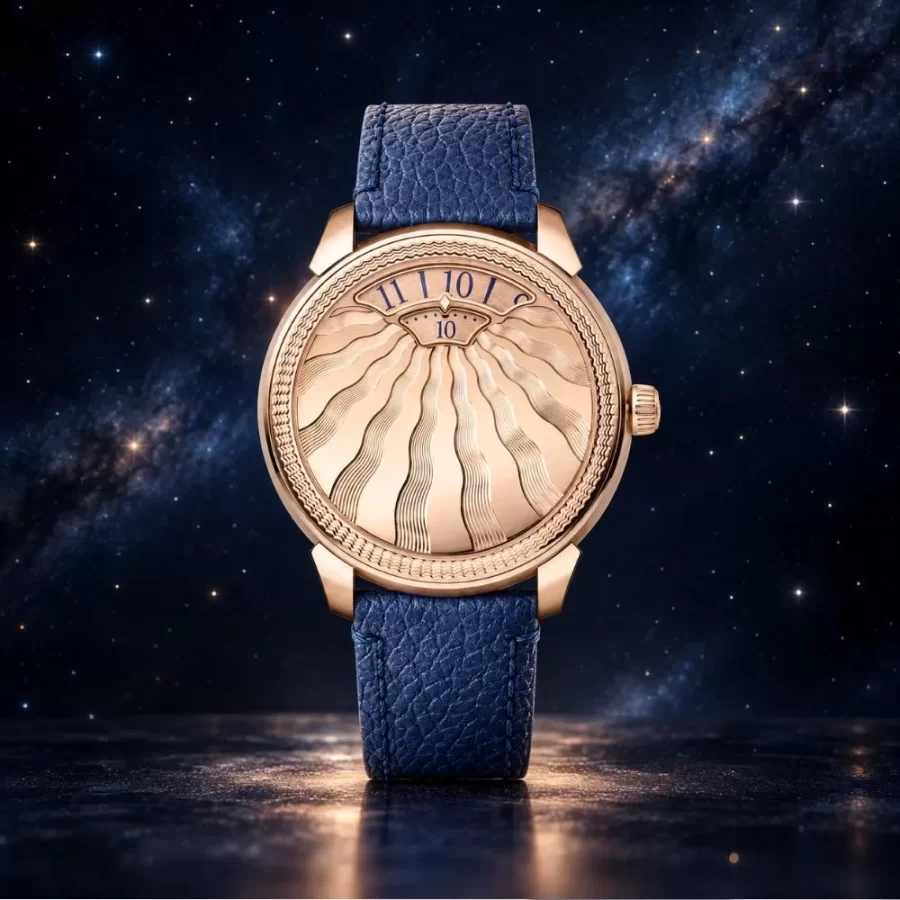
Louis Vuitton has long since moved beyond being simply a fashion house that also sells watches.
The development of La Fabrique du Temps has significantly elevated its horological ambitions, and the Tambour Convergence is one of the clearest examples.
Its 37 mm case dispenses with a traditional dial. Instead, the hours and minutes are displayed on discs visible through an aperture integrated directly into the case.
Inside is the in-house LFT MA01.01 automatic calibre, while prices in Spain begin at approximately €38,000 for the rose-gold version. More elaborate editions can approach €70,000.
It is one of the most interesting options for anyone seeking contemporary haute horlogerie beyond the more predictable Swiss manufactures.
7. MoMA × Unimatic Modello Cinque — approximately €710
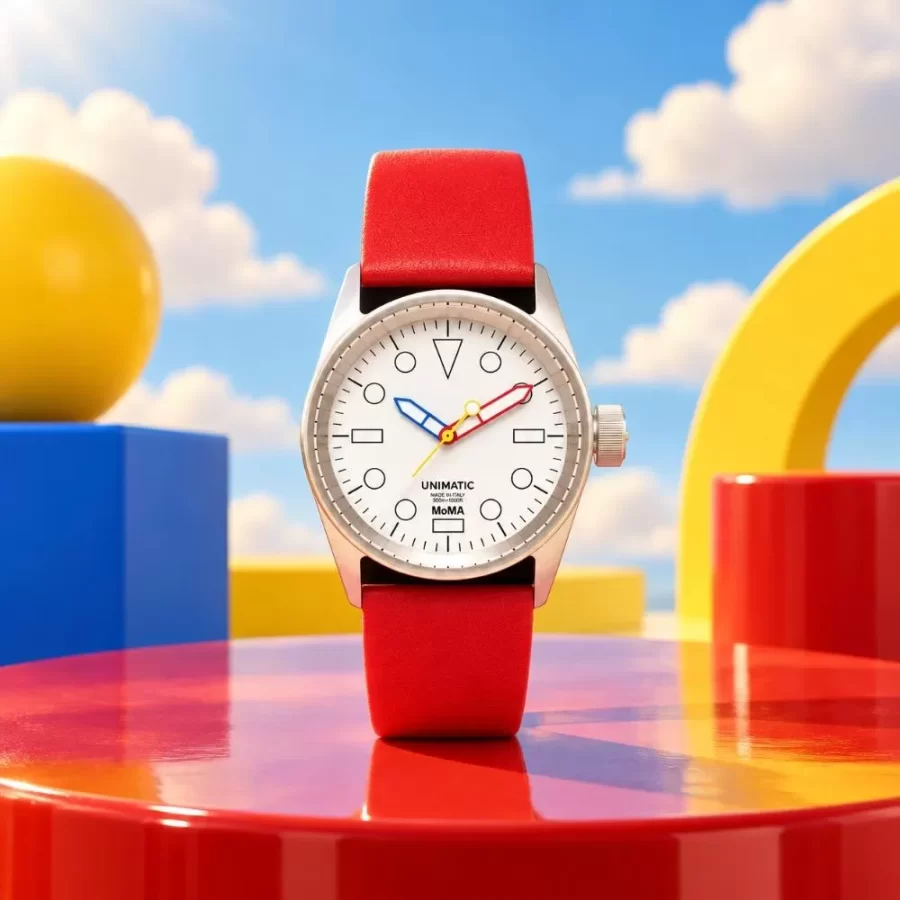
Below €1,000, it is still possible to find design with genuine horological appeal.
The collaboration between MoMA and Unimatic draws on references from De Stijl, translating them into the Italian brand’s characteristic industrial minimalism.
The Modello Cinque combines a 36 mm stainless-steel case with sapphire crystal, a Swiss Sellita automatic movement and water resistance of 300 metres.
Its international retail price is equivalent to approximately €710, before any additional costs associated with delivery to Spain.
What makes it particularly appealing is the balance: recognisable design, a proven movement and serious technical specifications without entering luxury price territory.
8. Emporio Armani Sea Explorer Titanium — €569
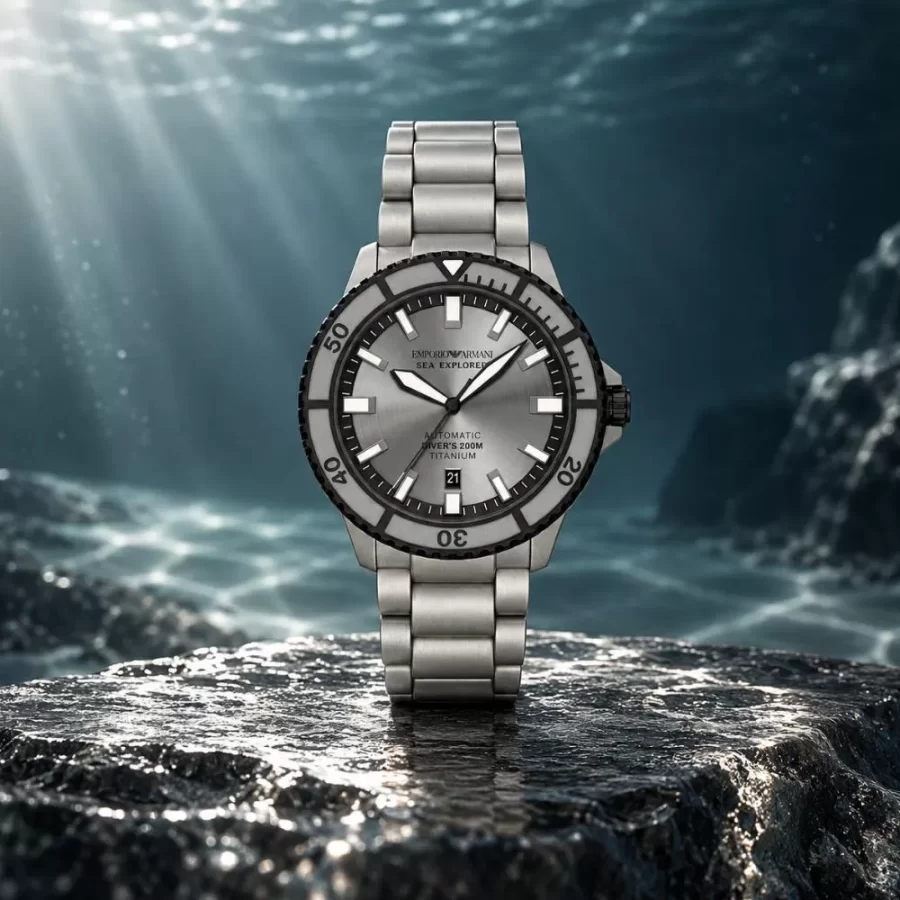
The Sea Explorer Titanium takes a different approach within Emporio Armani‘s watch collection, moving towards a mechanical timepiece with considerably more ambitious specifications.
It features a titanium case, Japanese automatic movement, sapphire crystal, Super-LumiNova and water resistance of up to 200 metres.
The edition is also limited to 1,500 pieces in selected markets.
Its retail price in Spain is €569.
It does not attempt to compete with specialist watch manufactures, but offers a particularly comprehensive specification for anyone seeking a fashion-led aesthetic without sacrificing the materials and features associated with an automatic sports watch.
9. Daniel Wellington Iconic Sheffield Automatic Rose Gold — €349
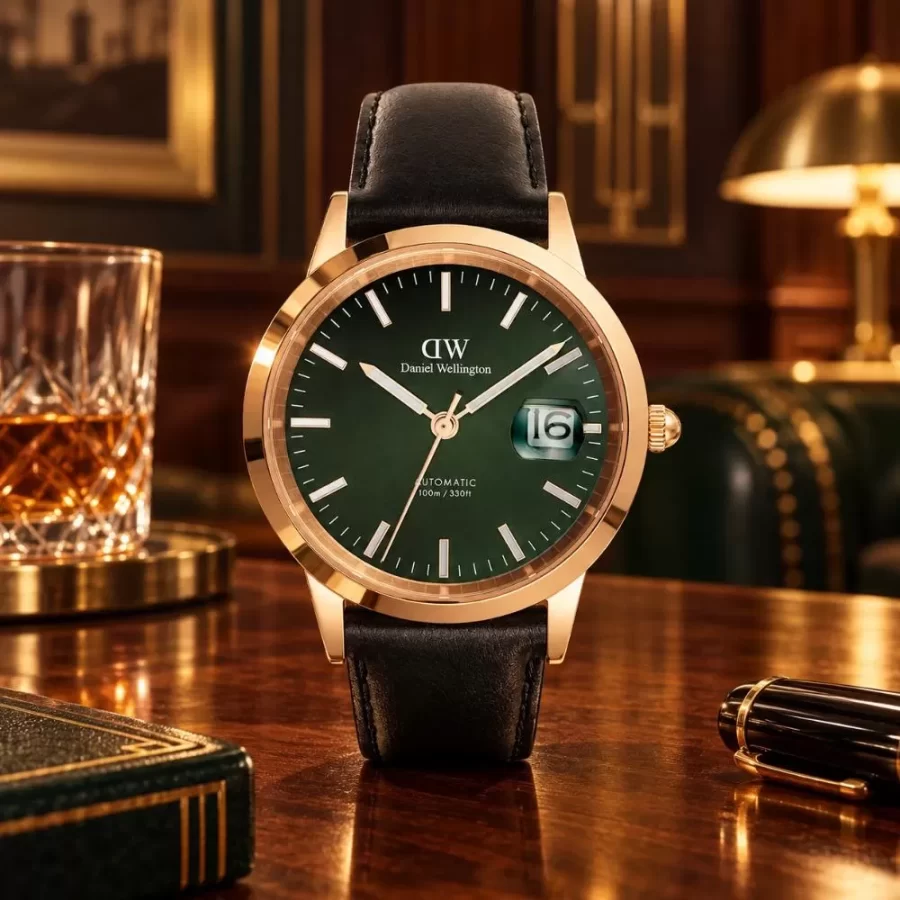
At the most accessible end of the ranking comes a significant development for Daniel Wellington.
The company built much of its success around quartz movements and minimalist design, but the Iconic Sheffield Automatic introduces automatic mechanics into its collection.
For €349, it offers a 40 mm case with a rose-gold PVD finish, sapphire crystal, a black leather strap and a Japanese automatic movement visible through the caseback.
Naturally, it does not aim to compete with Berneron or Patek Philippe in terms of finishing or mechanical architecture.
Its appeal lies precisely in offering a first experience of an automatic watch for less than €400, while maintaining the brand’s recognisable aesthetic.
From €349 to more than €3 million: it is not all about budget
This ranking demonstrates that buying a good watch in 2026 does not necessarily require spending five figures.
A budget of €349 provides access to an automatic movement; at around €700, Swiss calibres and more specialised design propositions become available; and spending over €30,000 opens the door to contemporary haute horlogerie.
Beyond that point, the rules change.
Rolex, Berneron, Bvlgari × MB&F and Richard Mille introduce exclusivity, manufacture movements, complications and extraordinarily limited production.
At the very top, a Patek Philippe ref. 1518 ceases to be simply a luxury purchase and becomes a historical timepiece whose value is shaped by the international collectors’ market.
Because for a true watch enthusiast, budget merely establishes the starting point.
What really matters is the level of design, mechanics, history and personality that can be found within it.