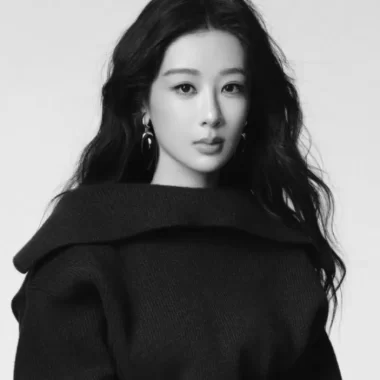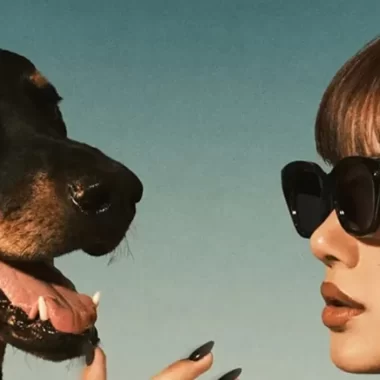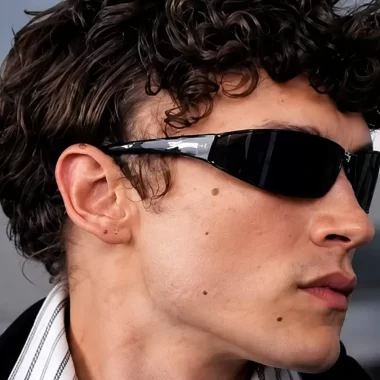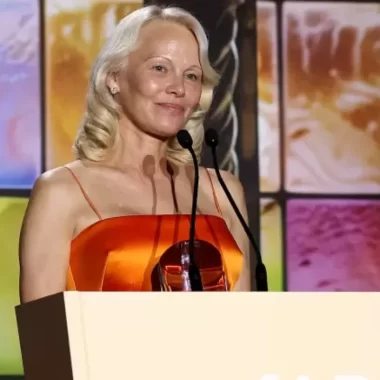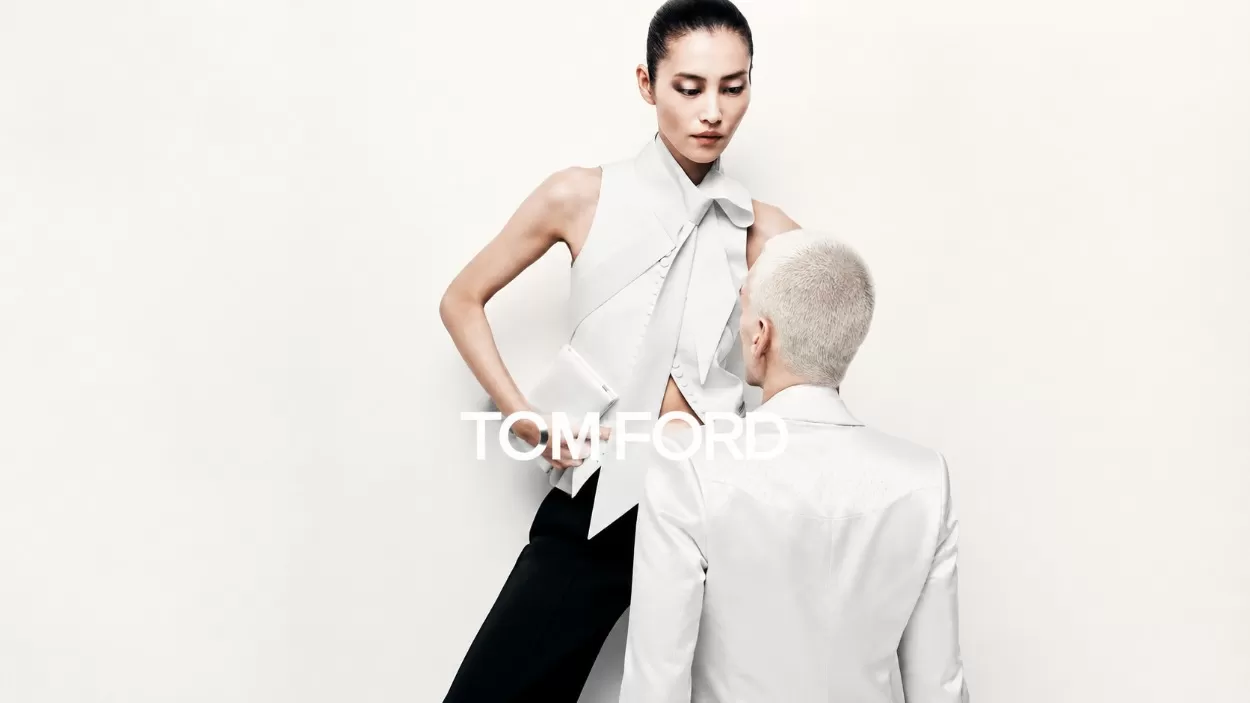

Tom Ford unveils its Autumn Winter 2026 campaign under Haider Ackermann’s creative direction, with Liu Wen and Kristen McMenamy exploring new forms of seduction.
Tom Ford continues to define its new identity under the creative direction of Haider Ackermann. For the Autumn Winter 2026 campaign, the designer once again places seduction at the heart of his vision, although this time he dispenses with spectacular settings to focus on what he considers truly magnetic: personality, experience and the confidence of the person wearing the clothes.
Photographed by Stuart Winecoff, the campaign brings together a deliberately diverse cast featuring Liu Wen, Paolo Grebic, Mila Van Eeten, Aluel Makuach, Scott Barnhill, Benjamin Orlan, Ardi H, Kristen McMenamy, Malick Bodian and Alfredo Ramirez. Different ages, backgrounds and attitudes come together in a series of portraits that expand on the ideas first introduced during the collection’s runway show.
Ackermann places his subjects beneath glaring light against an almost clinical cream background. There are no elaborate sets, distracting props or obvious narratives constructed around the models. This absence of artifice encourages the viewer to look more closely.
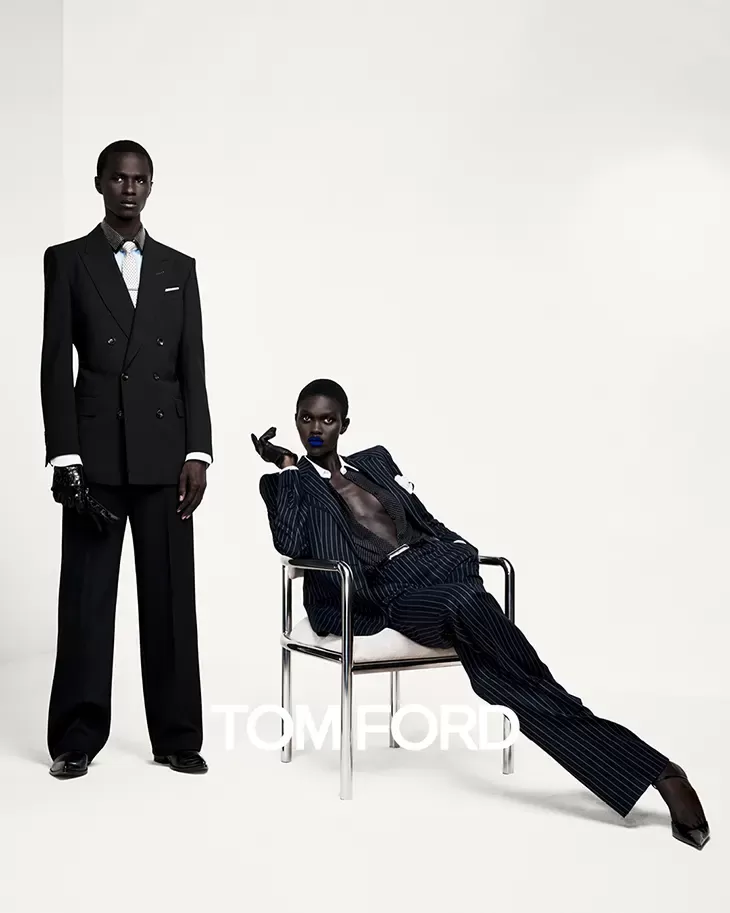
A gesture, a glance, the position of the body or the way a jacket is worn therefore takes on decisive importance. The Tom Ford Autumn Winter 2026 campaign uses these subtle details to suggest who its characters are without needing to explain their individual stories.
For Haider Ackermann, seduction does not depend exclusively on revealing the body or conforming to a particular ideal of beauty. His approach focuses instead on self-aware individuals who project the impression of having lived and who appear comfortable with the experiences that have shaped their identities.
The traces left by time form an essential part of that vision. Faces, clothes and behaviour can reveal fragments of a personal history, transforming qualities that might traditionally have been concealed into sources of attraction. Age is no longer presented as a limitation, but as something that enriches Tom Ford’s concept of sensuality.
This perspective is particularly significant for a house historically associated with provocative imagery and an exceptionally sophisticated expression of sexuality. Ackermann does not reject that legacy. Instead, he moves it into more psychological territory. Provocation remains present, but it can now be found in a lingering gaze or in the absolute confidence with which someone occupies a space.
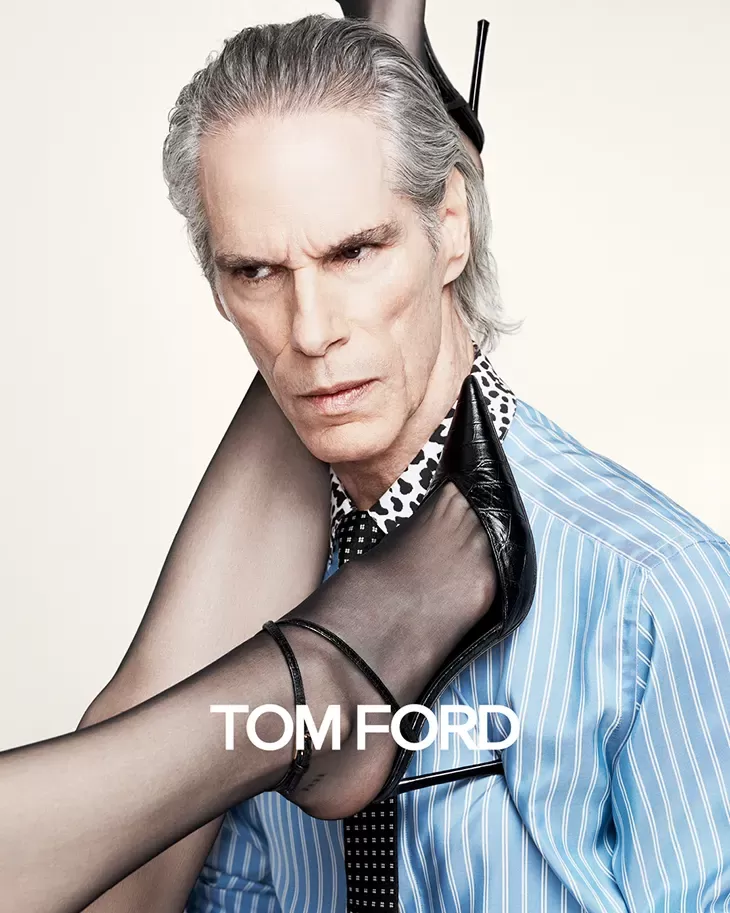
The clothes contribute to that tension. Tom Ford’s characteristic precision meets Ackermann’s distinctive sensibility, with the designer known for treating tailoring, colour and silhouette as tools capable of expressing personality. Each look becomes an extension of the individual in front of the camera rather than a costume designed to transform them.
The inclusion of Kristen McMenamy and Liu Wen, alongside figures from different generations, further reinforces that intention. There is no single archetype intended to represent the Tom Ford universe. Instead, each person offers a different interpretation of elegance, desire and confidence.
The creative team maintains the same sense of restraint. Lucy Bridge is responsible for make-up, while Tom Wright oversees hair, contributing to an aesthetic in which individuality remains visible rather than being concealed beneath excessive transformation.