
The little-known love story between Jackie Kennedy and architect Jack Warnecke comes to light through previously unpublished memoirs.
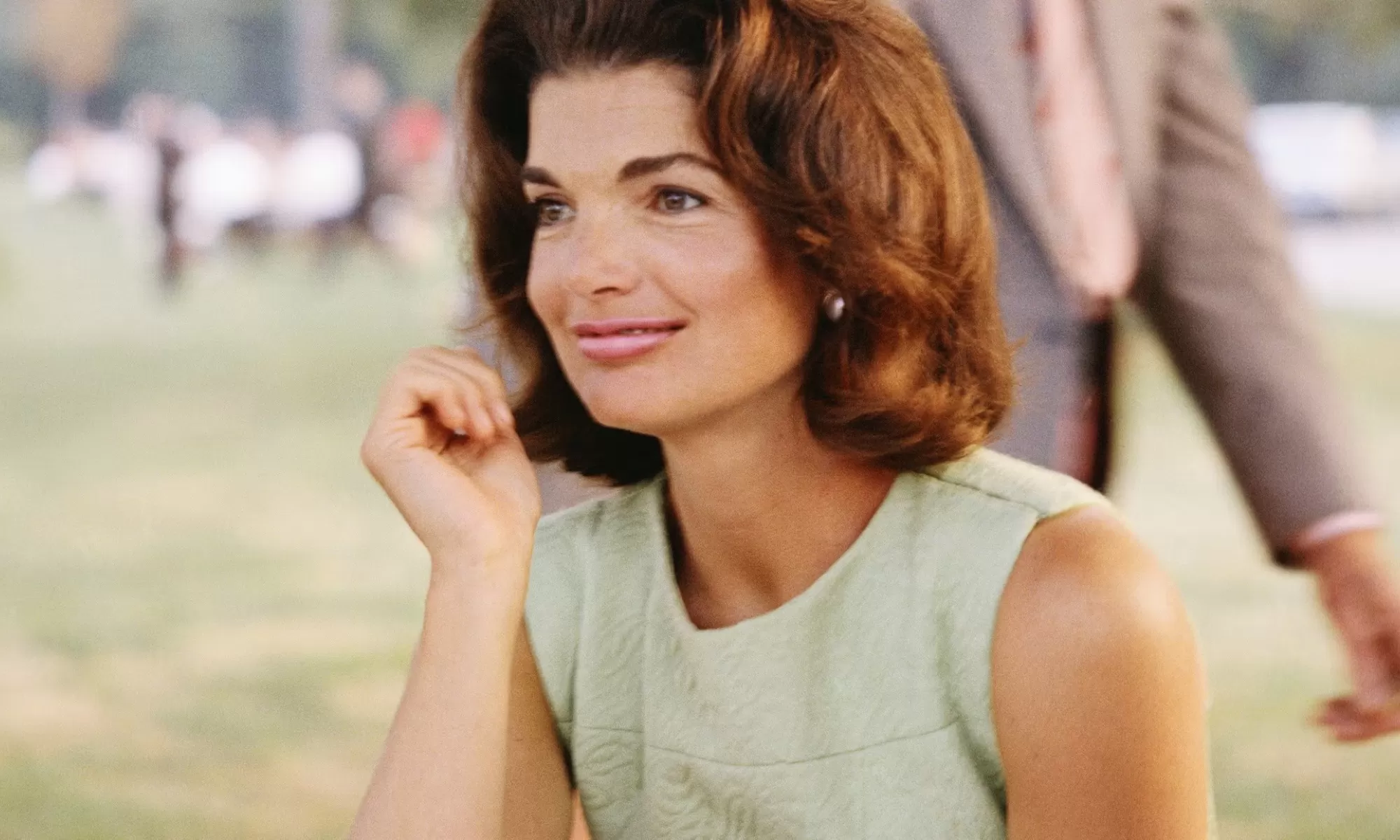
Jackie Kennedy was one of the most admired and photographed women of the 20th century. Her elegance, her marriage to President John F. Kennedy and her subsequent relationship with shipping magnate Aristotle Onassis made her an international icon. However, behind that public image lay a love story that remained largely unknown for decades and became important once again during the final months of her life.
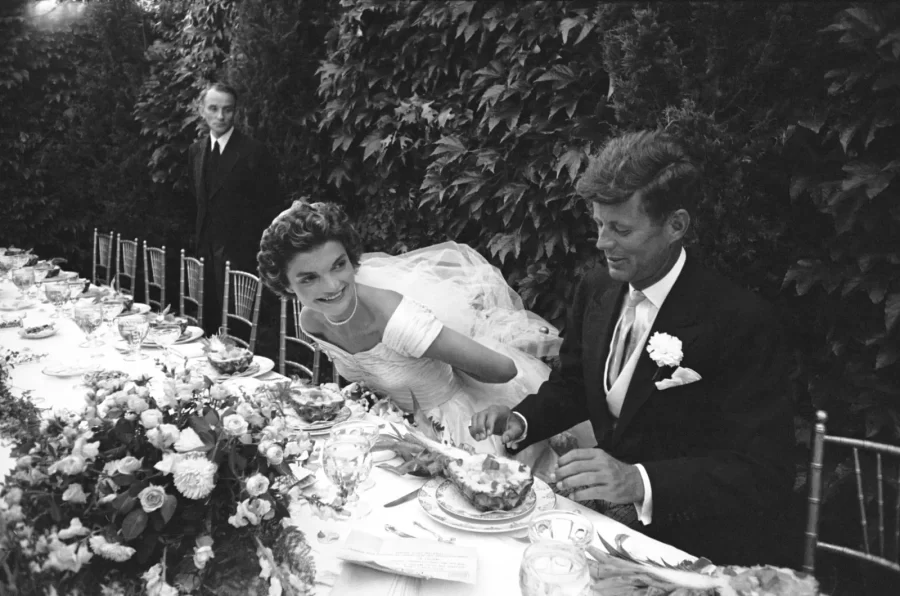
The man at the centre of the story was John Carl ‘Jack’ Warnecke, the architect responsible for designing John F. Kennedy’s grave at Arlington National Cemetery. His relationship with the former First Lady has come to light through his memoirs, ‘Camelot’s Architect: The Untold Story of Jackie Kennedy, Lafayette Square, and a Secret Romance’, which he asked his daughter, Margo Warnecke Merck, to publish after his death in 2010. “He made me promise I would do it,” she told People.
The story began in October 1962, during a dinner at the British Embassy. Warnecke, who was due to meet the president the following day, was captivated by Jackie and decided to approach her. “I decided the best way to meet her would be to ask her to dance,” he recalled in his memoirs.
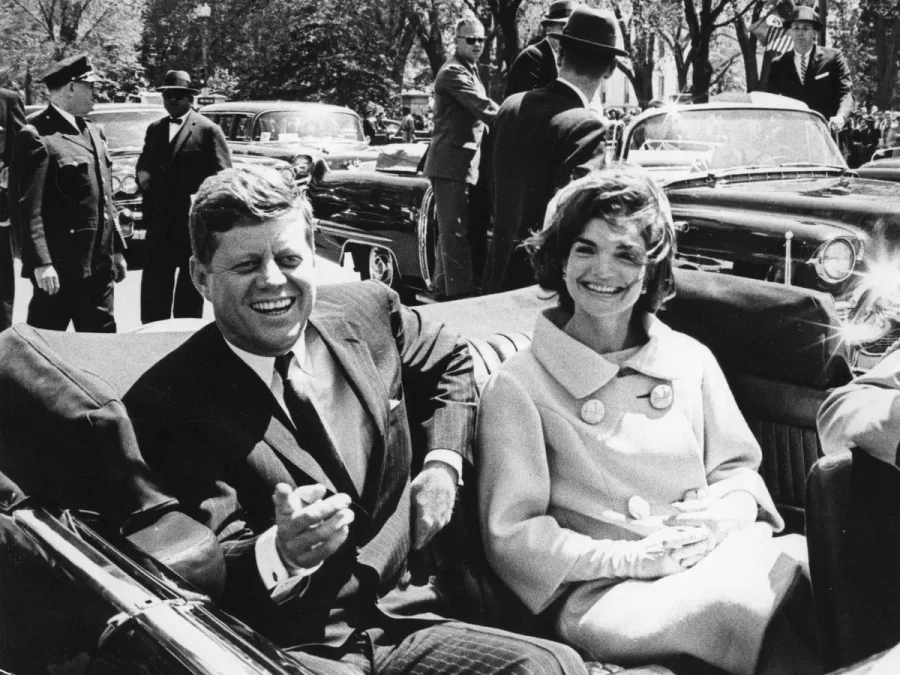
Everything changed following John F. Kennedy’s assassination in Dallas in November 1963. Jackie and Robert F. Kennedy turned to the architect to design the president’s memorial. Those professional meetings gradually developed into encounters marked by growing emotional intimacy.
“Although I was very attracted to her, I restrained myself,” Warnecke wrote of those early months. However, their work together began to awaken feelings neither had anticipated. “We met in my office to work on the design of the grave, but nothing more. Nevertheless, all of this created a kind of tension, a personal and affectionate tension between us.”
During the autumn of 1964, they finally acknowledged their feelings for one another. “We both secretly knew we were in love,” the architect confessed. Their relationship progressed to the point where they began considering marriage. “The question was: when?” he recalled.
Their romance remained out of the media spotlight. In 1966, Jackie spent some time in Honolulu, where Warnecke was working. “As soon as Jackie set foot in her house in Hawaii, which she had rented for a month, she called me,” he wrote.
However, the architect’s financial difficulties eventually complicated their plans. The debts he had accumulated while working on Kennedy’s memorial led him to question whether he could provide Jackie with the stability she needed. “Jackie needed special protection and privacy. I realised I could never adequately provide for her,” he admitted.
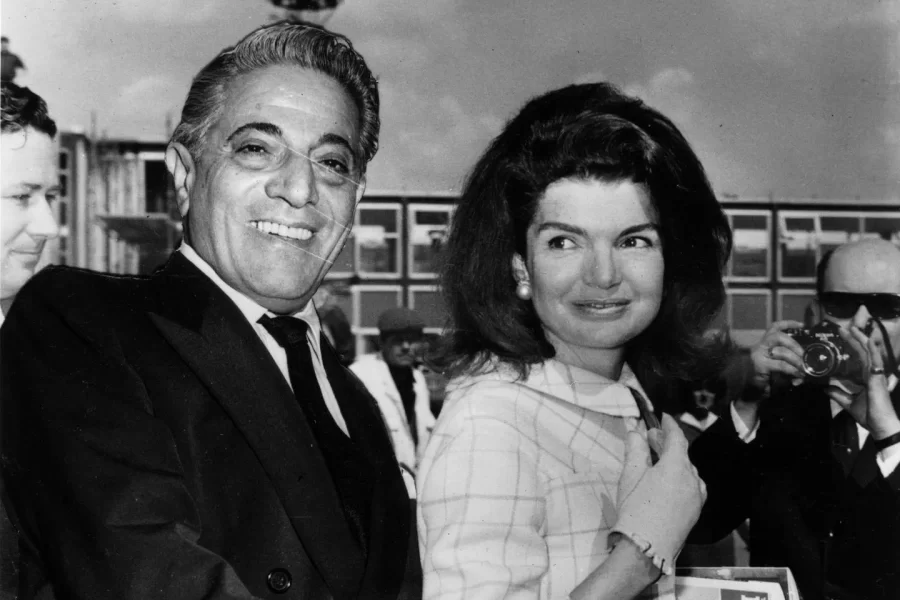
The couple eventually drifted apart. “I still saw her from time to time and enjoyed her company, but unbeknownst to me, Aristotle Onassis was courting her,” Warnecke recalled. Ultimately, Jackie Kennedy married Aristotle Onassis in October 1968.
Following the shipping magnate’s death in 1975 and Warnecke’s divorce in 1978, the two rekindled a close friendship. They met occasionally, talked for hours and maintained a bond of trust that had survived the passage of time. “I felt as though, in some way, we were still having an exciting secret romance,” he confessed.
The most moving chapter came in February 1994, when it became public knowledge that Jackie Kennedy had cancer. Warnecke decided to write her a Valentine’s Day letter, acknowledging that his feelings for her had never disappeared.
“Our romance ended because of circumstances and events that seemed almost beyond our control, but in reality it never ended. Under more normal circumstances, our love would in all probability have flourished,” he wrote to her.
The following day, Jackie telephoned him. “You made my Valentine’s Day,” she told him. According to the architect’s memoirs, she also acknowledged that their feelings had remained unchanged: “You’re right: the love we had then was never broken or damaged. Nothing ever changed it.”
Three months later, on 19 May 1994, Jackie Kennedy died at the age of 64. Warnecke watched on television as she was laid to rest beside John F. Kennedy, in the very memorial he had designed himself.