
Wildfires ravage Los Angeles, endangering cultural landmarks and communities. Artists and institutions unite in solidarity to aid recovery efforts.
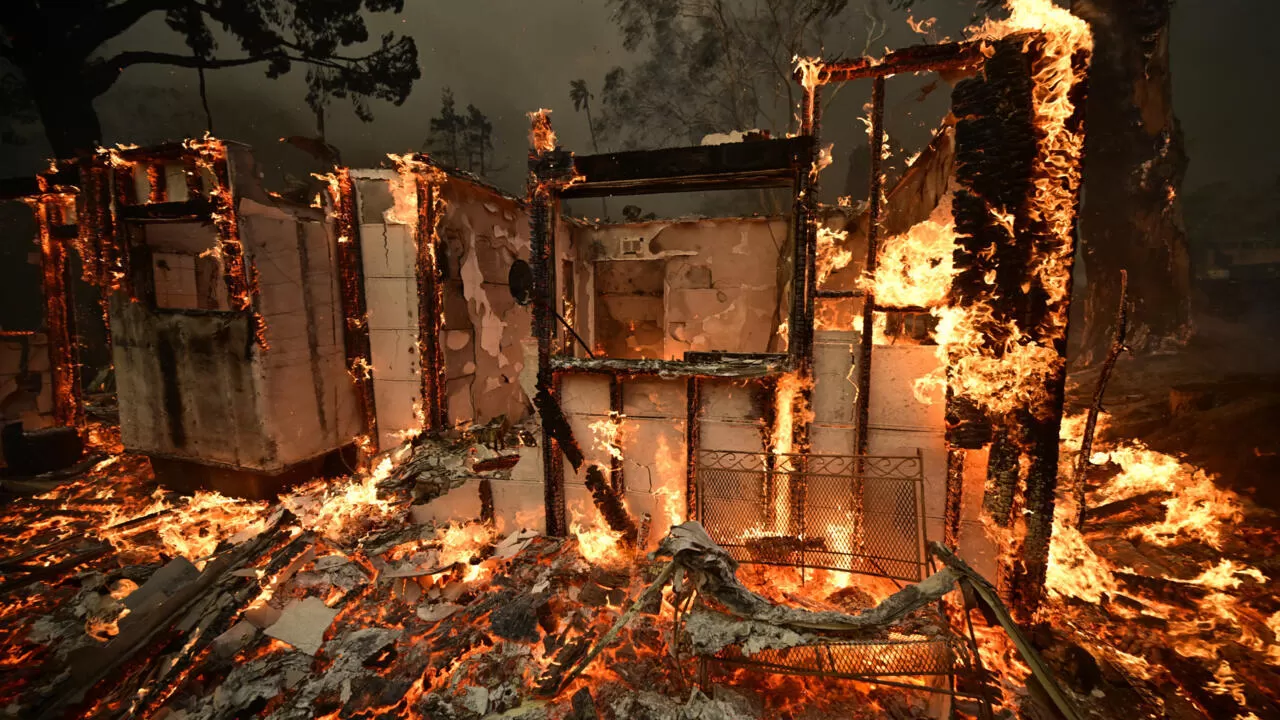
The devastating fires sweeping through Los Angeles, including those in Palisades, Eaton and Hurst, have consumed thousands of acres, forcing mass evacuations and causing significant damage to homes, businesses, and iconic landmarks. This disaster has also struck the artistic community, leaving artists and art professionals facing personal and professional losses. Many have taken to social media to share their experiences, highlighting the scale of the tragedy.
A new 10-acre fire that started near Runyon Canyon has intensified the crisis, threatening landmarks such as the Chinese Theatre, the Dolby Theatre, and the Hollywood Bowl. In Santa Monica, evacuation orders were issued for areas affected by the Palisades fire, according to Artnews.
Culture at Risk
Cultural institutions have not been spared from the impact. The Getty Villa reported damage to its gardens, although its staff and collection remain safe. Meanwhile, Gagosian Beverly Hills postponed the opening of Alex Israel’s exhibition “Noir,” originally scheduled for 9 January, with no new date yet confirmed. The Weisman Museum at Pepperdine University cancelled previews for two exhibitions, while UCLA’s Fowler Museum delayed the launch of “Fire Kinship,” a project focused on Indigenous ecological practices, until 23 January.
Art and Solidarity
Amidst adversity, Superchief Gallery has taken steps to support relief efforts, organising supply drives that include air purifiers, N95 masks, and clothing. Beginning 9 January, the gallery will also host an art supply drive and night market on 11 January, with all donations going directly to affected communities and local organisations.
This mobilisation highlights how art can serve as a bridge of solidarity, even in times of crisis. As Los Angeles faces the challenge of rebuilding, initiatives from institutions and artists demonstrate how creativity can become a tool of support and resilience for a community struck by tragedy.