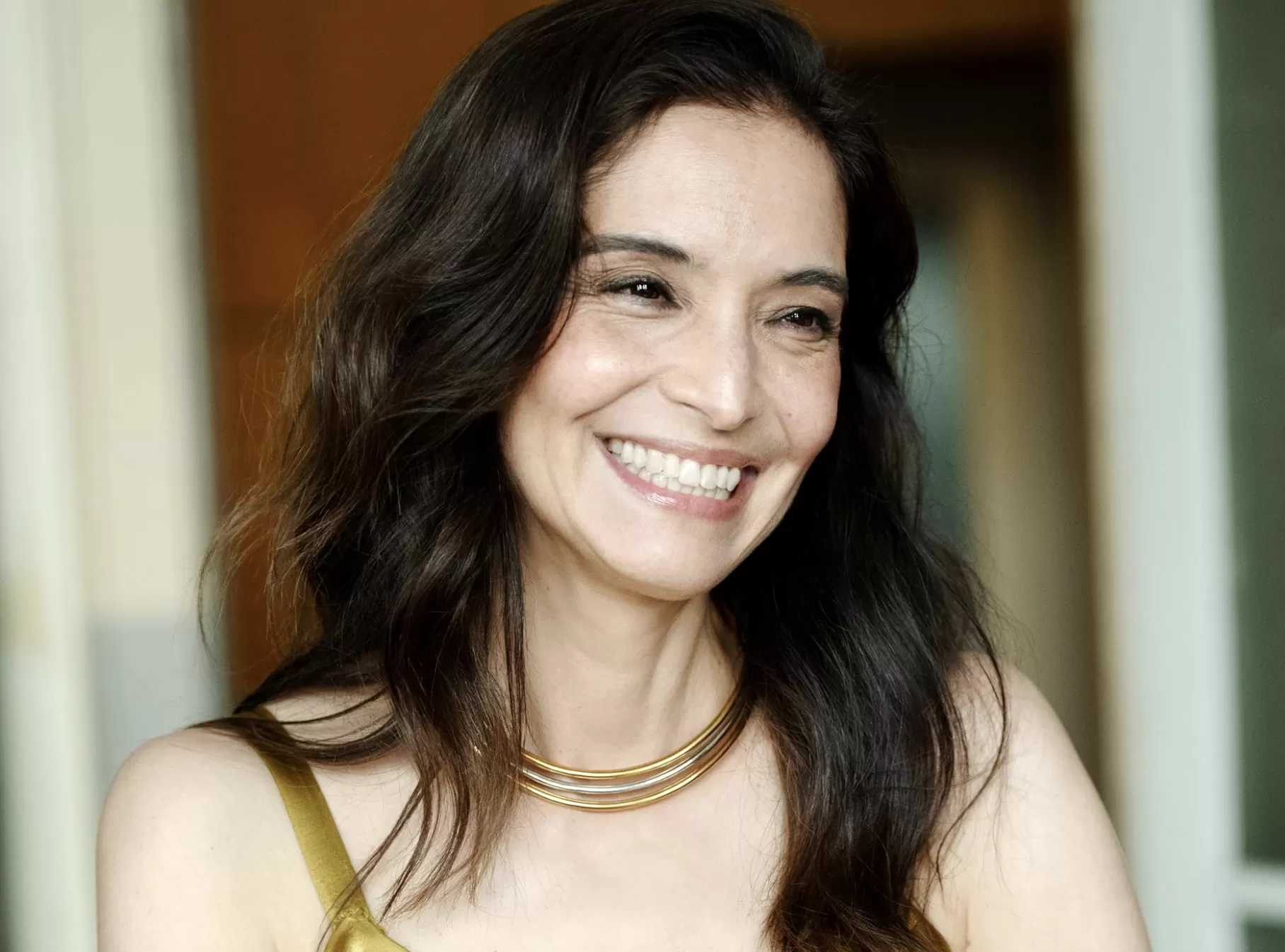
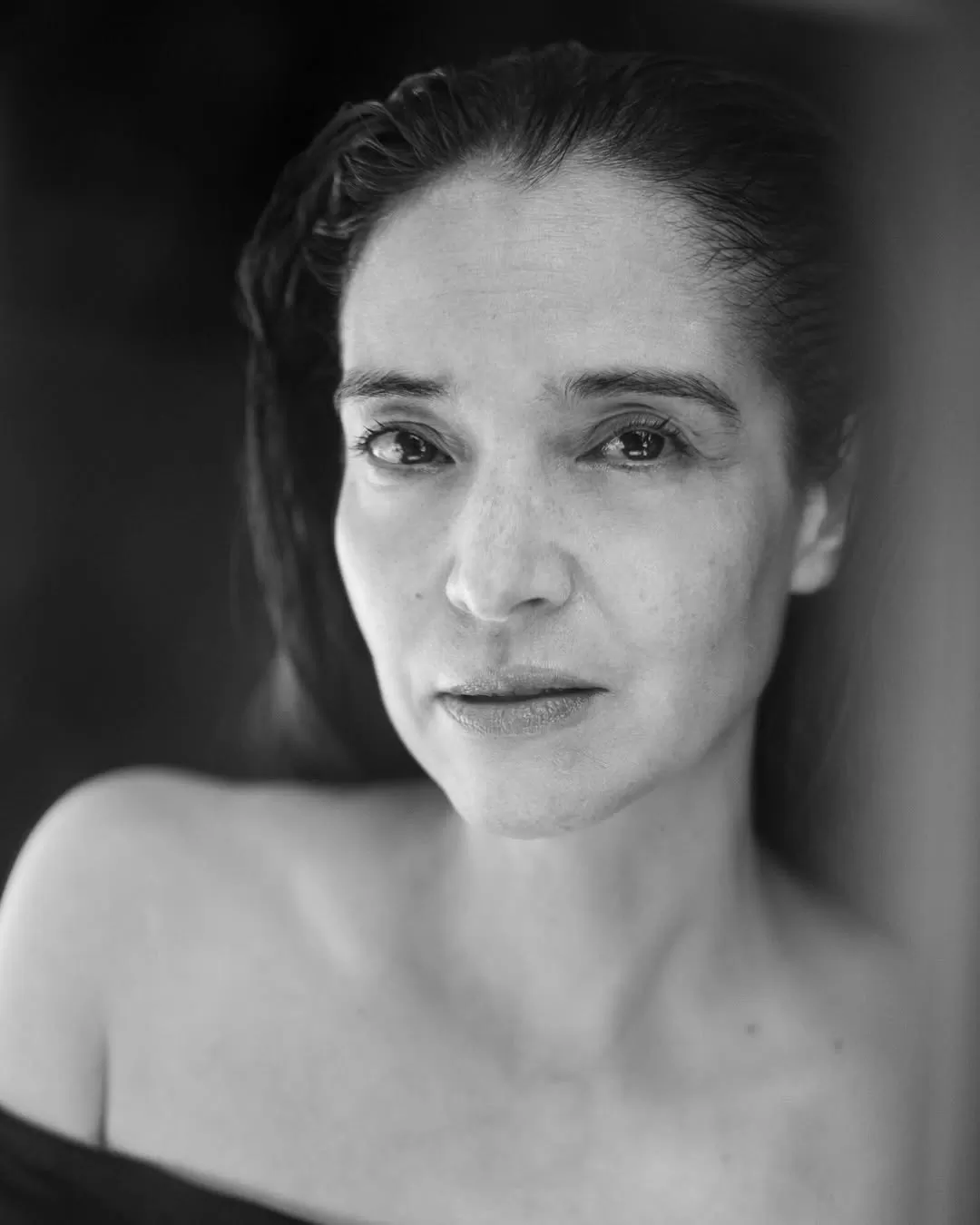
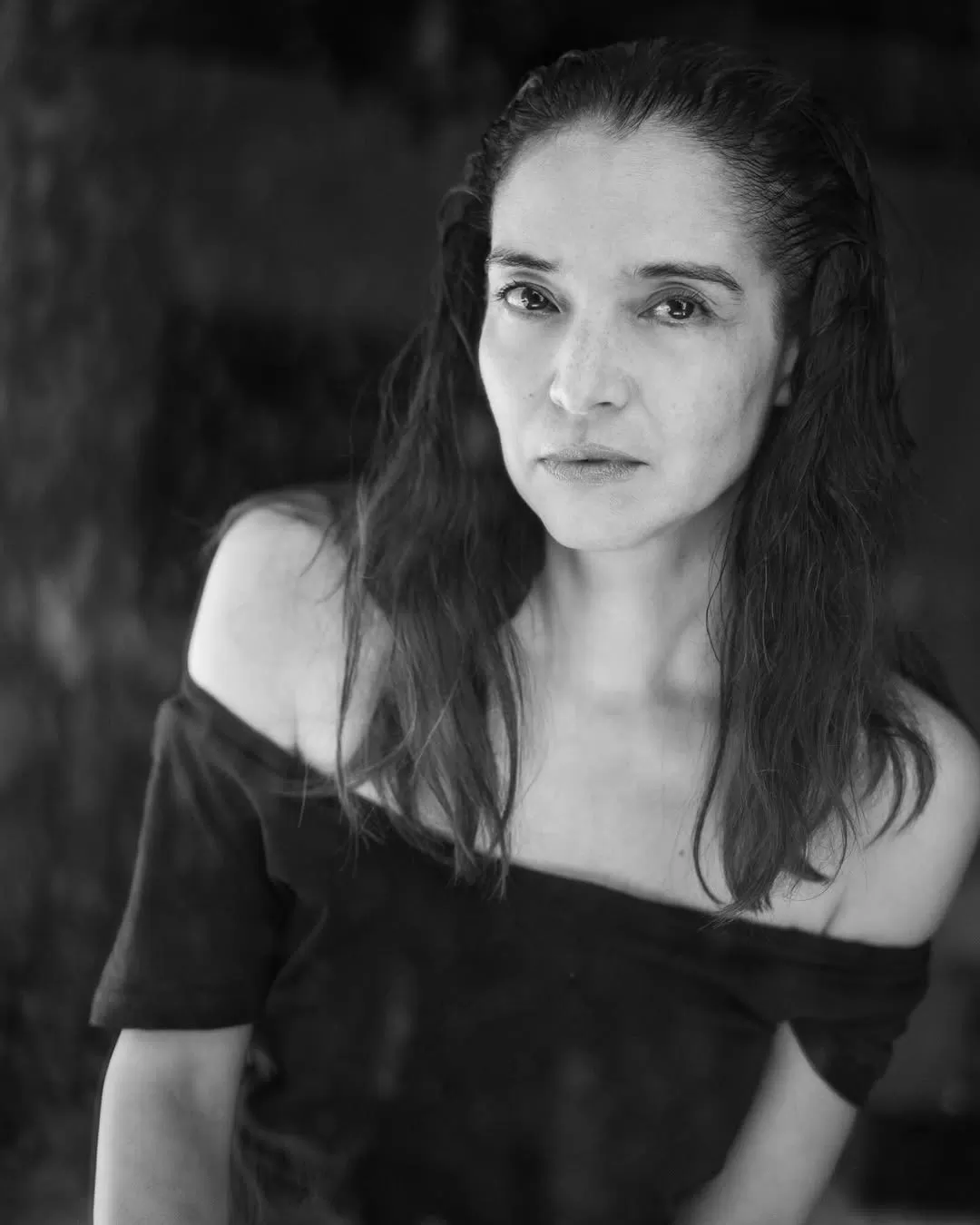
Anja Su-Jin Bourdais brings resilience and emotional depth to Sandokan, redefining motherhood, representation, and creative freedom on an international stage.
Anja Bourdais enters ‘Sandokan’ not as a heroine in the traditional sense, but as something far more enduring: the emotional backbone of its protagonist. Playing Nur, the mother of the legendary ‘Sandokan’, her presence is discreet yet decisive, shaping the inner world of the story from its very foundations.
The role came to her at the end of 2023, during a period filled with auditions, but it stood out instantly. What captured her attention was a long, beautifully written monologue and a backstory that felt unusually precise and vivid. “I remember thinking I hadn’t done enough for it and wishing I had another week to prepare,” she admits. At the time, she had no expectations. Experience had taught her that being mixed-race often placed her in an uncomfortable in-between: “Either I wasn’t Asian enough, or I was competing in incredibly tough pools for ‘white’ roles.” Still, she sensed that the casting of Can Yaman as ‘Sandokan’ may have played a decisive role. “Type-wise, I really think I can pass as his mother, and that may have made the difference.”
Although Nur is a supporting character, Bourdais approached the role with the seriousness of someone carrying the emotional weight of the narrative. Immersing herself in the scripts repeatedly, she focused on serving the story rather than her own presence within it. Her growing interest in storytelling as a craft allowed her to read beyond the confines of her character, while guidance from her long-term acting teacher, Robert Castle, helped her refine the performance from within.
Anja’s Instagram
From the very first audition, Nur resonated with something deeply personal. Bourdais saw echoes of her own mother, a Korean nurse in Germany, in Nur’s quiet strength. “There’s a resilience in her that goes beyond physical strength,” she explains. “My mother had this dignity, even when she was ill in hospital — something very majestic and proud.” She never allowed Nur’s past as a prostitute to define her in reductive terms. Instead, she perceived it as a profession born of necessity, approached without complaint, protected by an emotional armour. “She carries a hardened shield,” Bourdais reflects, “and I believe she is sick for a reason.”
Having worked across theatre, film and television in Germany, France, the United States and now Italy, Bourdais still considers New York her creative home. It was there that her artistic identity fully formed. “It’s where my creative soul started to live,” she says. “I learned that if you train constantly, you will get good work one day — but also that you are never truly good enough, only good for a moment in time.” That philosophy continues to ground her as she embraces Italy with openness and gratitude, discovering its culture and language through her work on ‘Sandokan’.
Her path into acting was anything but conventional. After completing a law degree and raising a family, she entered the profession later than most — a journey that has deeply influenced her perspective.“I’m not a star, so I was never in a position to choose roles,” she acknowledges candidly. Balance, she believes, is essential for longevity. With a strong family, close friends, creative hobbies and a dog anchoring her life, she ensures that periods without work are still filled with artistic exploration.
“There is something very strong in Nur, something that goes beyond physical strength — I would call it resilience.”
Anja Bourdais
Freedom, for Bourdais, is not a given but something that must be unlocked. Naturally shy and introverted, she relies on intense emotional release before stepping onto a set or stage. “I shout, I move, I often cry,” she explains. “It clears the emotions I suppress in daily life. Once that’s out, I feel open and free for whatever happens.”
Despite the scale and pressure of a major international production like ‘Sandokan’, what struck her most was its humanity. Tight schedules and logistical complexity never eclipsed warmth. “Everyone was incredibly kind and human,” she recalls. “That surprised me the most.”
As a Korean-German actress navigating European and international industries, Bourdais is realistic about the current state of representation. While she acknowledges increased visibility for middle-aged, diverse women, she notes that truly substantial roles remain rare. “It feels like you can remove one factor — age, diversity or gender — and then a lead role becomes possible,” she says. “But not when all of them come together.”
Anja’s Instagram
Personal loss and responsibility arrived early in her life, leaving an indelible mark on her creative compass. Quoting Leonard Cohen, she reflects, “There is a crack in everything, that’s how the light gets in.” For her, that understanding has transformed pain into perspective. “As long as a story touches me, it’s worth telling.”
That belief has led her to writing, where she is currently developing both a short film and a feature screenplay. What began as a desire for independence has become a genuine passion. She gravitates towards stories she knows intimately, allowing characters to speak until she feels compelled to honour them fully.
When asked about the future of storytelling for women, Bourdais is clear-eyed. Real change, she believes, depends on women of experience holding creative power. Bold writers and producers willing to unite and take risks. It is why she cites The Morning Show as a rare and powerful example.
As ‘Sandokan’ introduces her to a broader international audience, Bourdais holds no grand expectations. “I don’t have a special wish,” she says simply. “I would just like to be respected for my work — and considered for roles that are complex and bold.”