
Lady Gaga turns Coachella into her personal kingdom with a grand, visceral, and theatrical show that redefines live pop.
With her triumphant return to Coachella, Lady Gaga not only settled a long-standing debt with the Californian desert but also redefined what it means to headline a festival in 2025. Eight years after replacing Beyoncé during the Joanne era, Gaga returned thirsty for redemption and with a long-gestated vision: a show titled by her fans as Gagachella, as ambitious as it was delirious, as cerebral as it was instinctive.
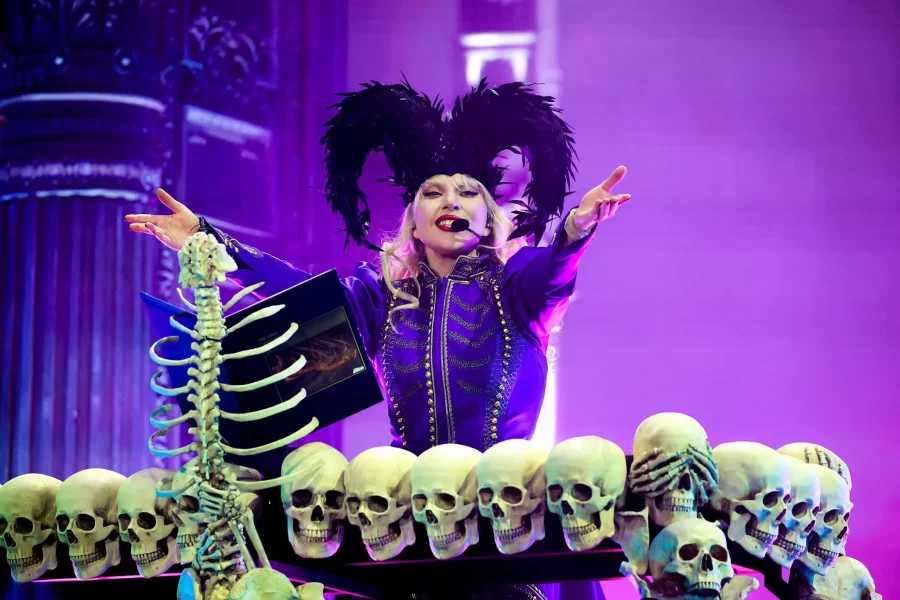
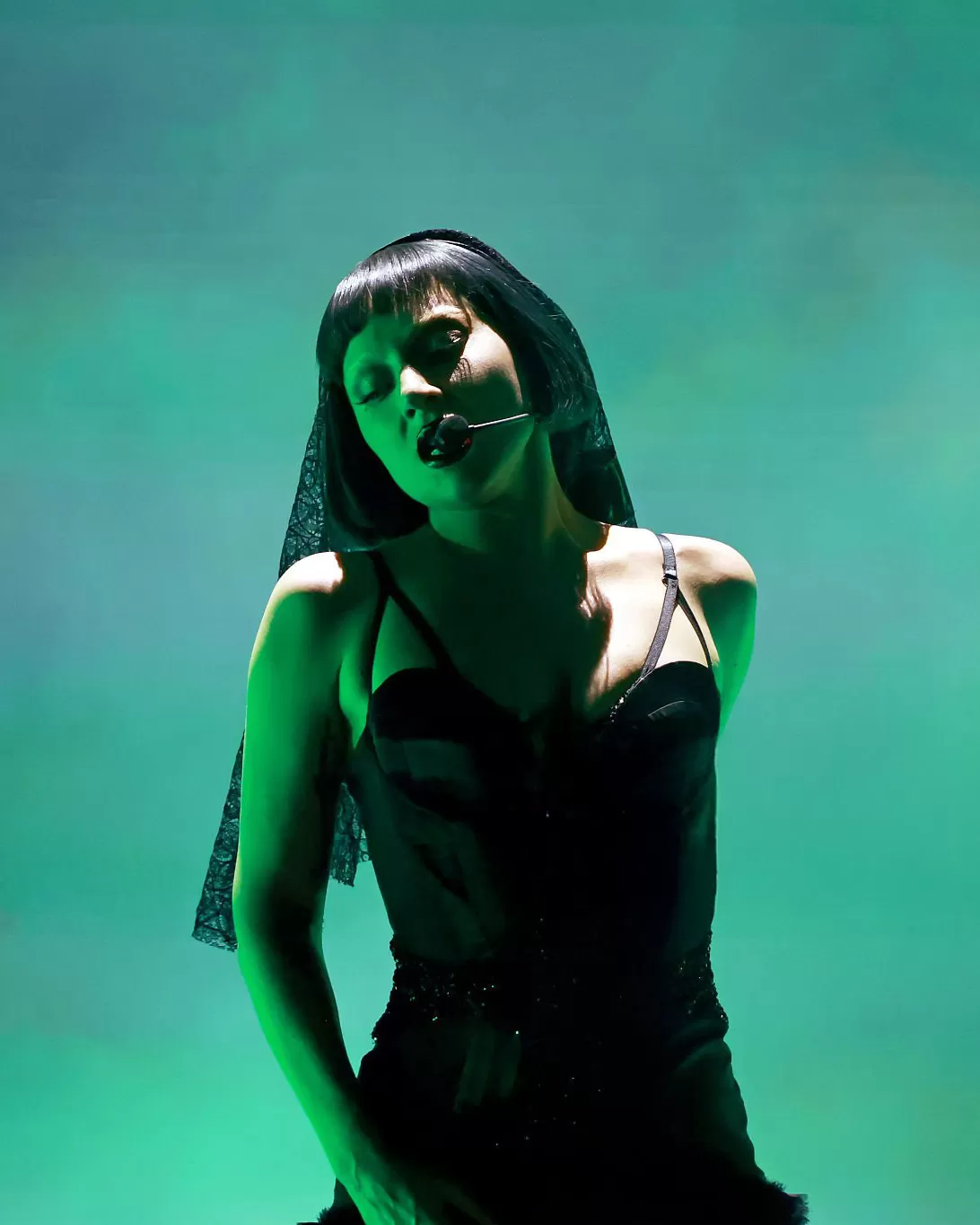
From the moment she emerged as a baroque queen atop a multi-metre skirt that hid a retinue of caged dancers, the New York star made it clear that this was no ordinary performance. For almost two hours, she navigated with surgical precision through 22 songs from her most danceable discography – with a special focus on The Fame, Born This Way, and her recent album, Mayhem – leaving out stages like Artpop or Chromatica, without detracting from the overall sense of completeness.
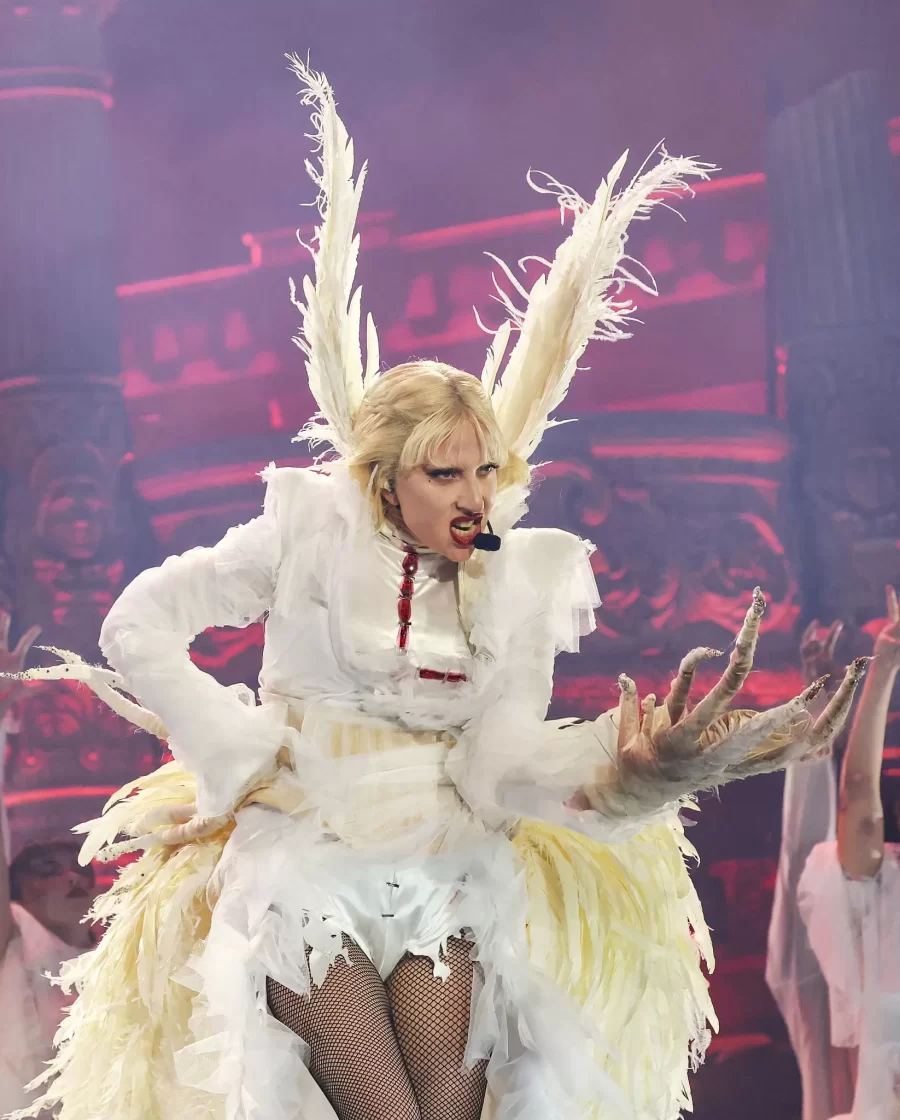
The show was structured in five acts, featuring wig transformations, choreographed battles between light and darkness, and theatrical nods to neoclassical opera. Among the most striking moments: the zombie resurrection of her 2009 self during Disease, and a reimagined Poker Face as a choreographic and symbolic duel between the current Gaga and her 2009 VMA version, a visual confrontation blending nostalgia, self-affirmation, and artistic evolution. The vocal performance was flawless, but it was her expressiveness, halfway between performance art and cinema, that made the evening part of the great history of Coachella and contemporary pop.
In a spectacular finale with Bad Romance in a Frankenstein style, Gaga celebrated her duality with two bows to the audience, her team, and her belief in unity: “The truth is, we are all one. All of this is one huge, wonderful thing.” A night that will undoubtedly be recorded in the annals of Coachella.