
The actor questions whether audiences still have an appetite for the big-screen experience in the age of streaming.
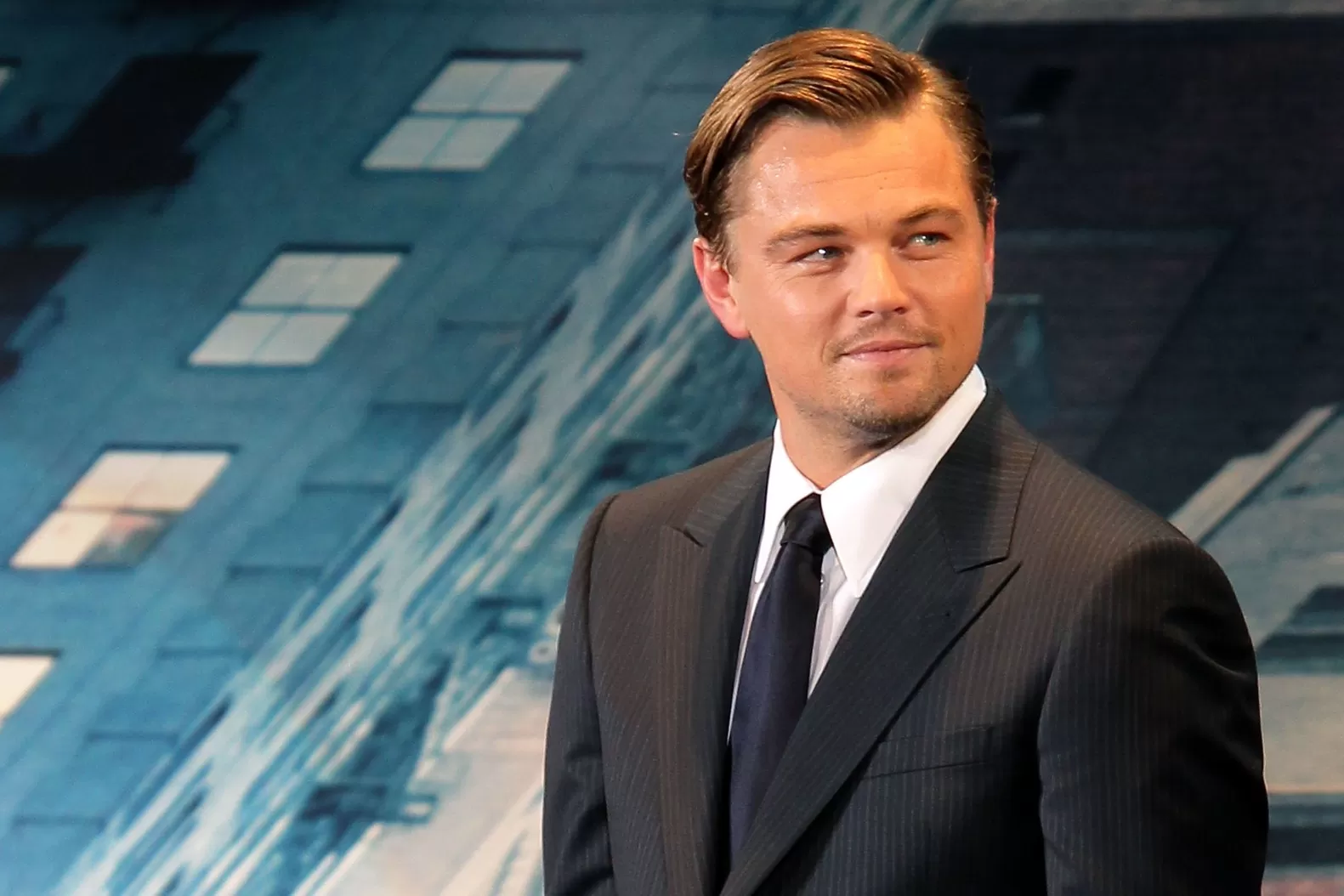
At a time when the audiovisual industry is moving at breakneck speed, Leonardo DiCaprio has voiced a concern shared by many within Hollywood. In a recent interview with The Times of London, the actor openly wondered whether the general public still has an “appetite” for the traditional cinema experience.
His words outline a moment of profound transition. For DiCaprio, this is not a passing trend but a structural reconfiguration of how stories are consumed. “It’s changing at an incredible speed. We’re facing a huge transition,” he noted. In his analysis, he recalled how documentaries were the first to virtually disappear from theatres, followed by dramas, which now enjoy increasingly shorter theatrical windows before being pushed onto streaming platforms.
His most striking reflection came when he compared the potential fate of cinemas to that of other cultural spaces that shifted from mainstream to niche. “Will they become silos, like jazz clubs?” he asked. The metaphor suggests a future in which the big-screen cinema ceases to be a collective ritual and instead becomes an experience reserved for a smaller, almost cult-like audience.
Within this context, Leonardo DiCaprio expressed his hope that new generations of filmmakers will continue to find space on the silver screen. “I just hope enough visionaries are given the chance to make unique things that are shown in cinemas,” he said, making it clear that such a future is far from guaranteed.
The actor also addressed the growing impact of artificial intelligence on the industry. From his perspective, AI can be a useful tool for young creators, but never a replacement for human impulse. “Anything that’s considered true art has to come from a human being,” he explained, pointing out that many algorithm-generated experiments, while visually impressive, lack emotional grounding and fade as quickly as they go viral.
While blockbuster productions continue to draw crowds, DiCaprio highlights a quieter but more troubling issue: the disappearance of mid-budget cinema, the space where character-driven stories and human conflict have traditionally thrived. Without it, he implicitly warns, cinema risks losing its role as the collective heart of contemporary storytelling.
More than a critique, his remarks function as a wake-up call. In an era dominated by viral clips and instant consumption, the future of movie theatres remains unwritten. But for Leonardo DiCaprio, the real question is no longer whether the model will change — it is whether we are willing to defend the shared cinematic experience that defined film culture for decades.