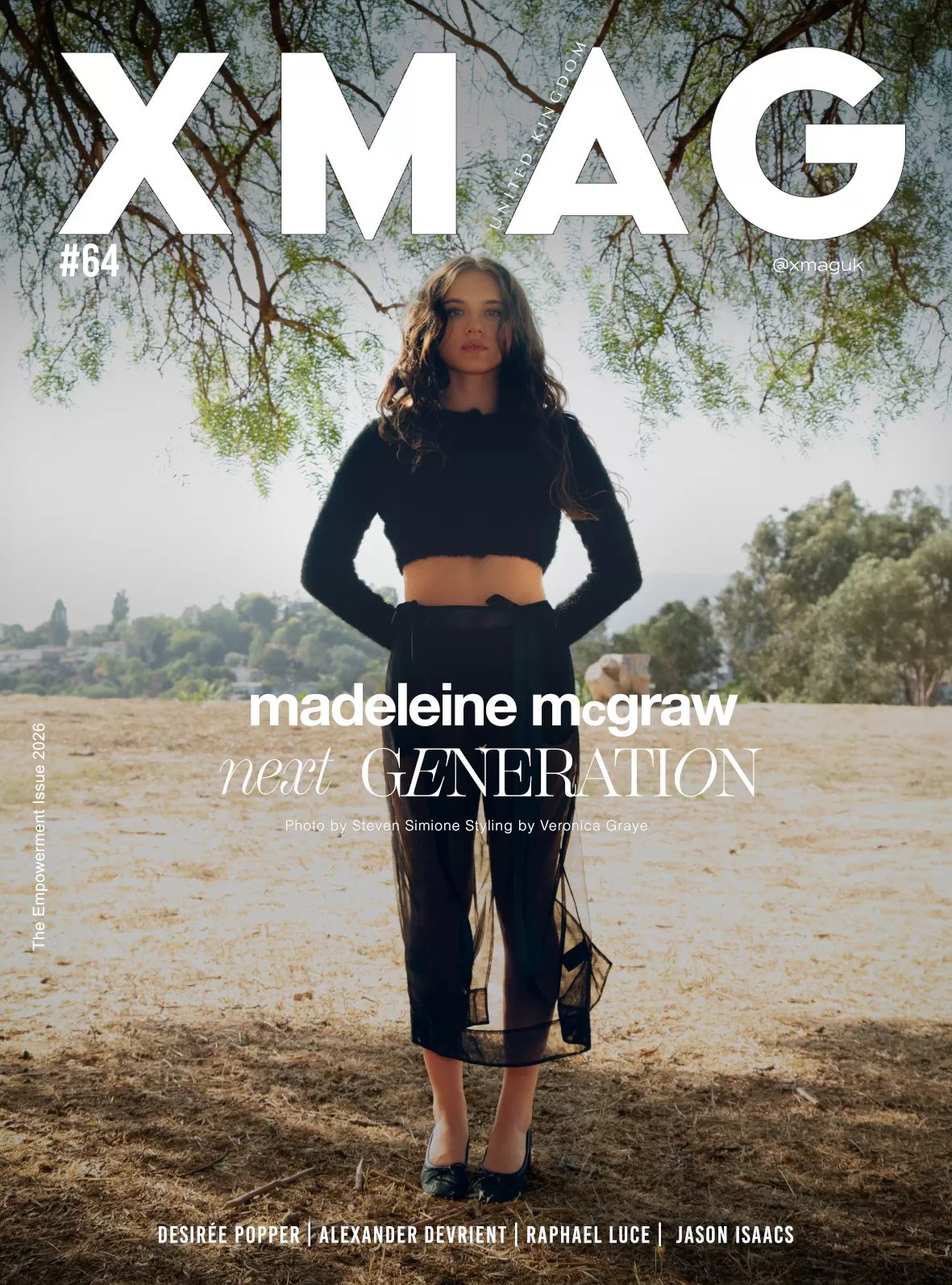

After the success of ‘The Black Phone’, Madeleine McGraw reflects on growing up on screen, empathy, and choosing stories that resonate beyond fear.
Following the global impact of ‘The Black Phone’, Madeleine McGraw does not speak about the film as a commercial success, but as an intimate experience that resonated with a generation navigating isolation. “I don’t think anyone can ever predict when a story will connect on that level. When we were making The Black Phone, it felt very personal and intimate, almost quiet in the way it explored emotion. I think audiences recognised something honest in it. A lot of young people related to Finney, especially because so many of us were feeling trapped and isolated during the lockdowns. Watching him hold onto hope and find a way out made people feel like maybe they could do the same. Beyond the fear, there was also the love between siblings, the loneliness, and the hope at the centre of the story. Seeing it grow into something bigger was surreal and incredibly humbling.”
The announcement of a sequel did not change her perception of the project, but it did alter her approach to the character. For McGraw, continuation meant emotional consequence rather than escalation.
“When I found out The Black Phone 2 was moving forward, I felt grateful more than anything. It wasn’t about topping the first film, but about honouring what people connected to. I did approach my character with more awareness this time. She’s been through something, and trauma doesn’t disappear. I wanted that history to live in her without losing her strength.”

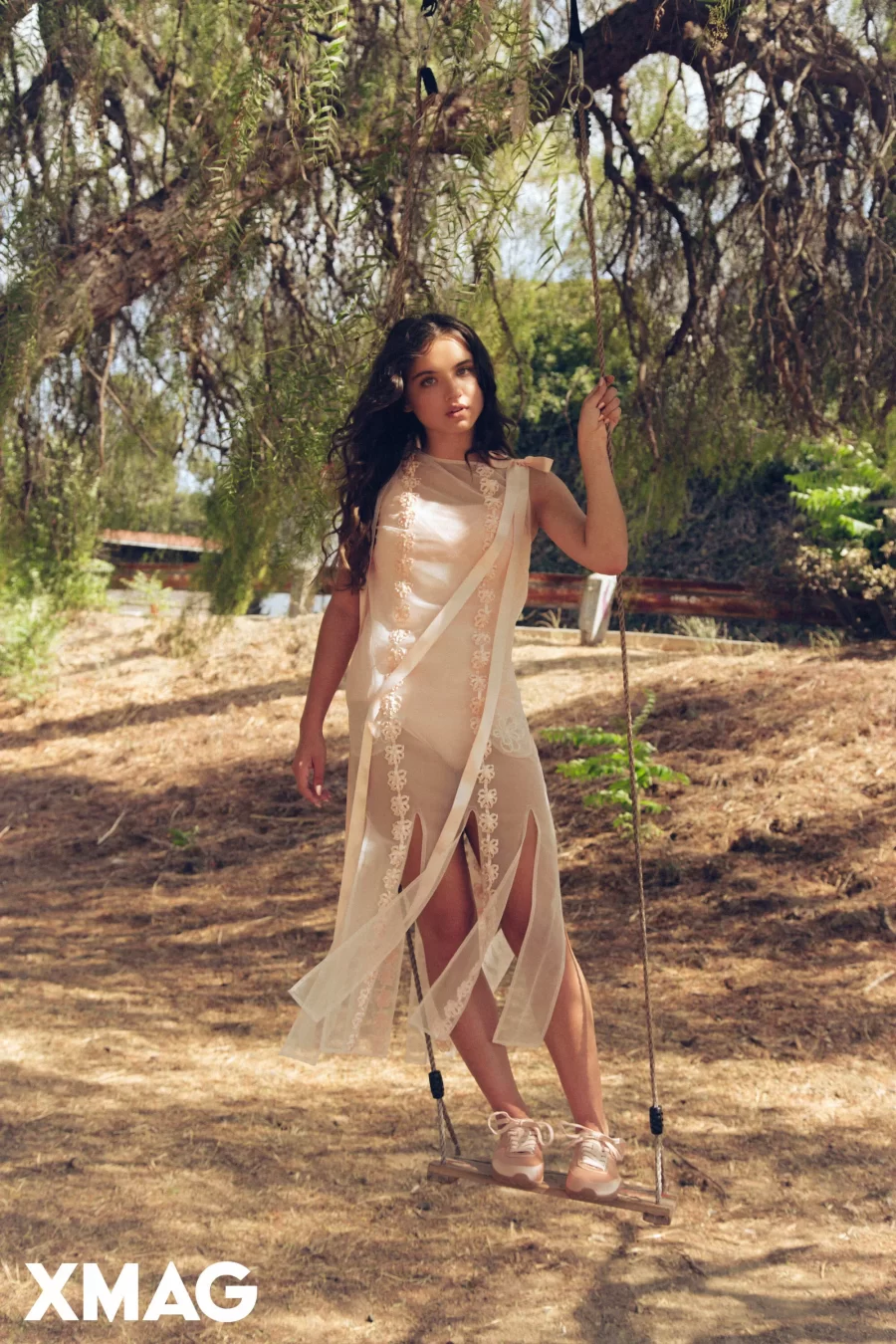
She believes the saga works because it is never solely about fear. Horror, in her view, is simply the language used to explore something profoundly human. “At its core, it’s about human connection. The fear works because it’s grounded in real emotions, like loss, courage, family, and survival. The supernatural elements are almost a backdrop for very real questions about who we are when we’re scared and what we hold onto to keep going.”
Looking back, she does not identify a single defining turning point, although this project clearly marked a personal shift. “There wasn’t one single moment, but The Black Phone definitely shifted something for me. It was the first time I felt fully trusted to carry emotional weight, not just moments. That experience made me realise I wanted to keep challenging myself and going deeper as an actress.”
Having worked in both film and television from a very young age, she now gravitates towards more ambiguous narratives and characters. “I’m really interested in stories that sit in the grey areas — characters who are complicated, who don’t have all the answers. I want to tell stories that ask questions instead of giving easy conclusions, especially stories centred on young women finding their voices.”
Although audiences associate her with darker roles, she has no intention of remaining defined by one genre. “I really love dark, complex characters because they feel honest, but I don’t want to stay in one box. I love switching it up — doing something lighter, finding humour, or taking on roles that surprise people who only know me from darker stuff. For me, it’s all about exploring different sides and having fun while I grow.”
As part of a generation raised in constant exposure, she observes contemporary society with a certain concern “I think the speed of everything is concerning. How quickly people judge, how hard it is to exist without being seen or commented on. There’s a lot of pressure to be perfect or loud or constantly ‘on’. I worry we don’t give ourselves enough space to just be human.”


Her aspirations as an actress remain emotional rather than professional. “I hope my work says that empathy matters. That listening matters. If my performances make someone feel less alone or help them see someone else differently, then that feels meaningful to me.”
Maintaining balance while growing up in the public eye has required deliberate effort, and her life outside acting plays a crucial role. “Balance is something I actively work on. I stay close to my family, I protect my downtime, and I try to stay connected to things that have nothing to do with acting. Soccer — which is like my therapy — boundaries, and knowing when to step back have all been really important.”
Her family, she explains, has been her anchor. “My family has always been my foundation, but staying grounded is still something you learn over time. As you grow, you realise you have to choose it every day — remembering who you are outside of the work.”
Regarding the often difficult environment young performers navigate in Hollywood, her experience has been positive, though she acknowledges the broader reality. “I’ve been really fortunate to work in environments where I felt respected and protected. That doesn’t mean the industry is perfect, but having strong advocates around me made a huge difference. I’ve had some amazing women in my life, both personally and professionally, who’ve set such a great example for me. They’ve taught me how important it is to speak up and trust my instincts.”


For McGraw, that sense of protection ultimately begins at home. “My family has been everything. They’ve made sure my voice is heard, that my education and well-being come first, and that no opportunity is worth sacrificing my safety or happiness. That support has allowed me to love what I do.”
Even so, she believes the industry still has progress to make. “There has been progress, and that matters. But there’s still a long way to go. Change doesn’t happen just by acknowledging problems; it happens through accountability and action. I’m hopeful, but realistic.”
When she thinks about the future, she does not mention recognition. “Artistic challenges excite me the most. Awards are wonderful, but they’re not why you start. The idea that a story could stay with someone, or shift how they see the world — that’s what really lasts.”
Madeleine McGraw approaches her career with a perspective rare for someone her age: not visibility, but emotional permanence. Her ambition is not to occupy more space, but to leave a deeper mark.