
The FIFA World Cup Final Halftime Show made history with standout looks from Saint Laurent, Roberto Cavalli, Louis Vuitton, Skylrk and more.
The first-ever FIFA World Cup Final Halftime Show did not simply change the rhythm of the match. It transformed the pitch into one of the most watched fashion stages in the world. For eleven minutes, with more than 350 performers and a lineup built around global pop, Latin music, K-pop and contemporary culture, the show became a spectacle where football, music and high fashion collided in real time.
The 2026 World Cup Halftime Show marked a turning point for FIFA. Until now, football had often embraced ceremony, national identity and performance, but rarely with the same fashion-driven ambition associated with events like the Super Bowl. This time, the aesthetic language was just as important as the music. Every artist arrived with a clear visual identity, turning the stadium into a runway of custom pieces, luxury houses and carefully constructed pop mythology.
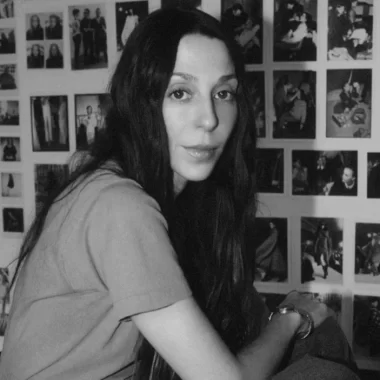
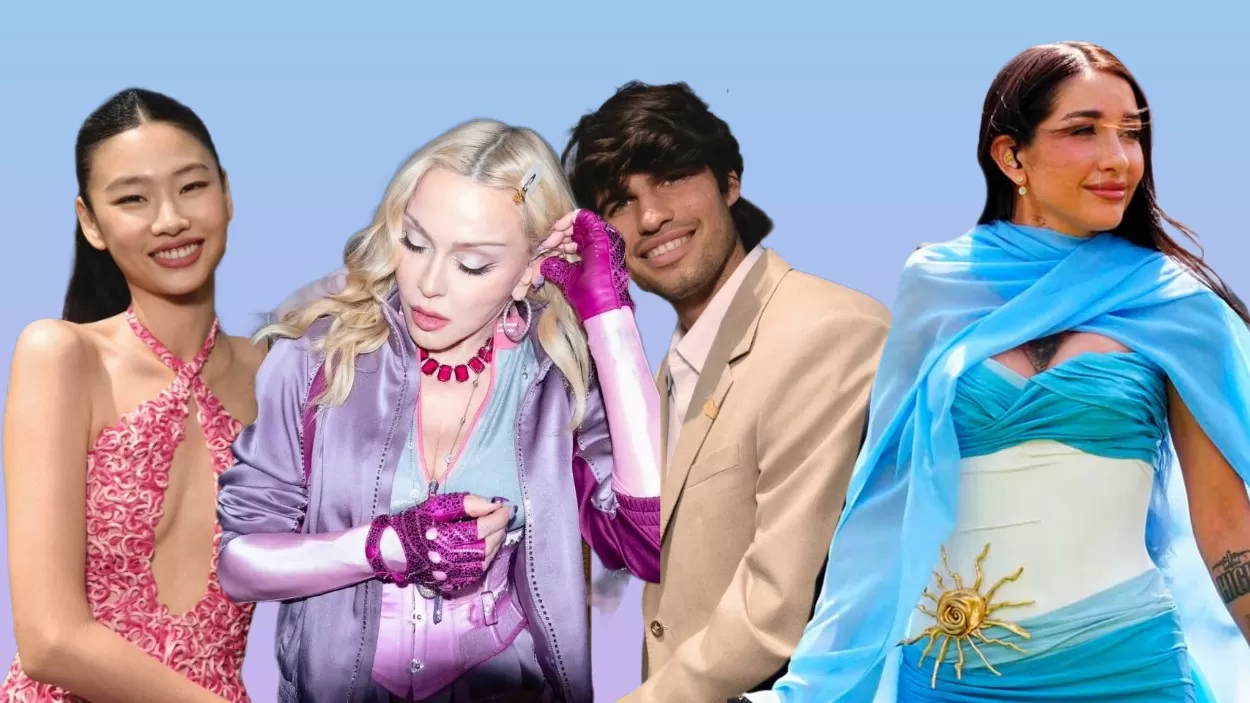
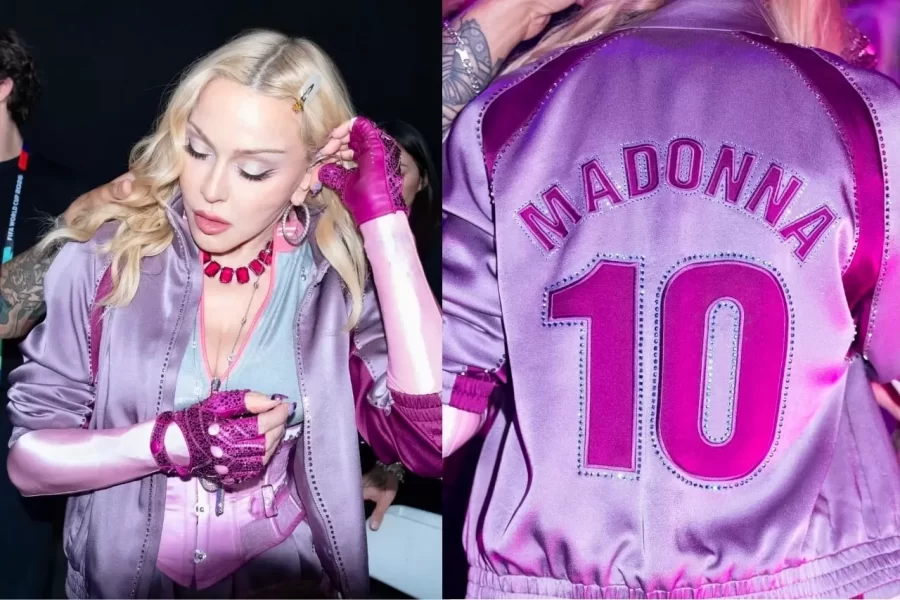
Among the most talked-about appearances was Madonna, who opened the show with the authority of an artist who understands the power of image better than almost anyone. Dressed in Saint Laurent with Swarovski crystals, the Queen of Pop brought a mix of classic glamour, stage discipline and nightclub drama to the field. Her look connected directly with her legacy: sharp, theatrical and designed to be seen from both the front row and the highest seat in the stadium.
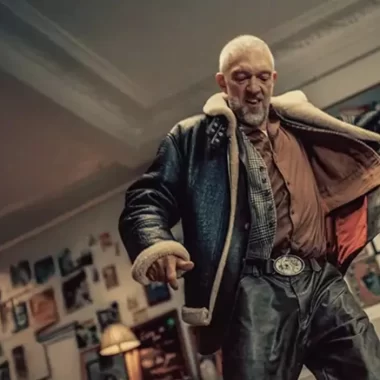
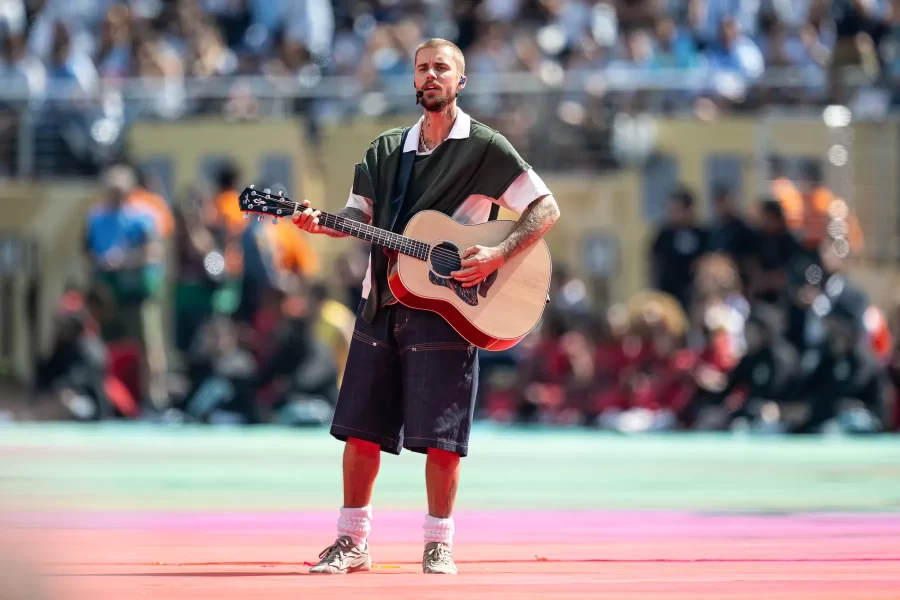
Justin Bieber offered a very different kind of fashion statement. Wearing custom Skylrk, the singer leaned into a more contemporary and streetwear-focused visual code. The choice felt connected to his current creative universe, where comfort, personal branding and relaxed silhouettes often carry as much meaning as traditional red-carpet polish. On a stage of this scale, Bieber’s look helped underline how modern pop fashion no longer needs to rely on formality to feel impactful.
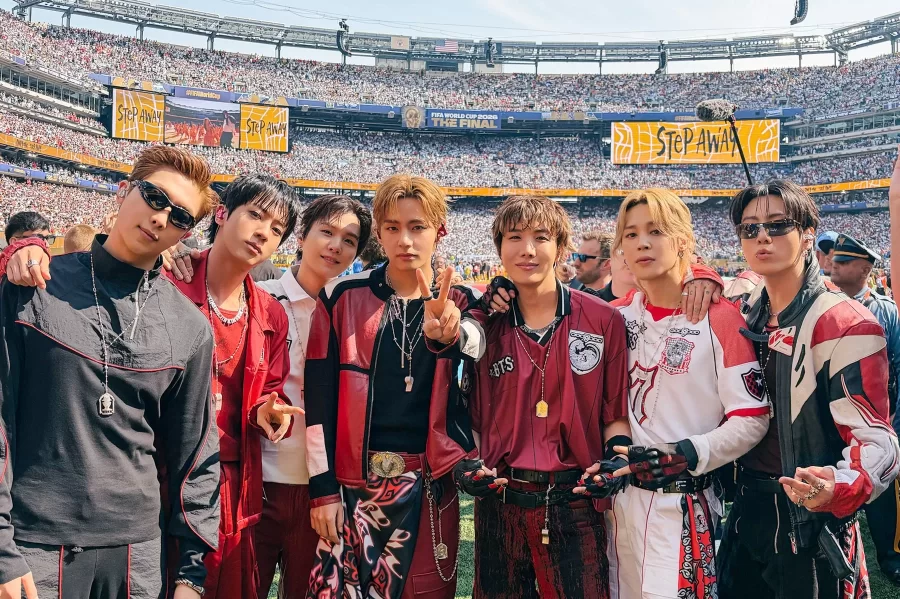
The arrival of BTS brought another level of global attention to the halftime show. The group appeared in Lueder, embracing a more conceptual and performance-led aesthetic. Their presence turned the event into a truly international cultural moment, with styling that balanced precision, movement and the collective identity that has always defined their stage language. In a show designed for a worldwide audience, BTS delivered one of the clearest examples of how fashion can amplify choreography, fandom and musical power at once.
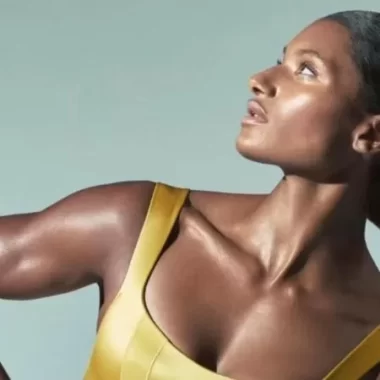
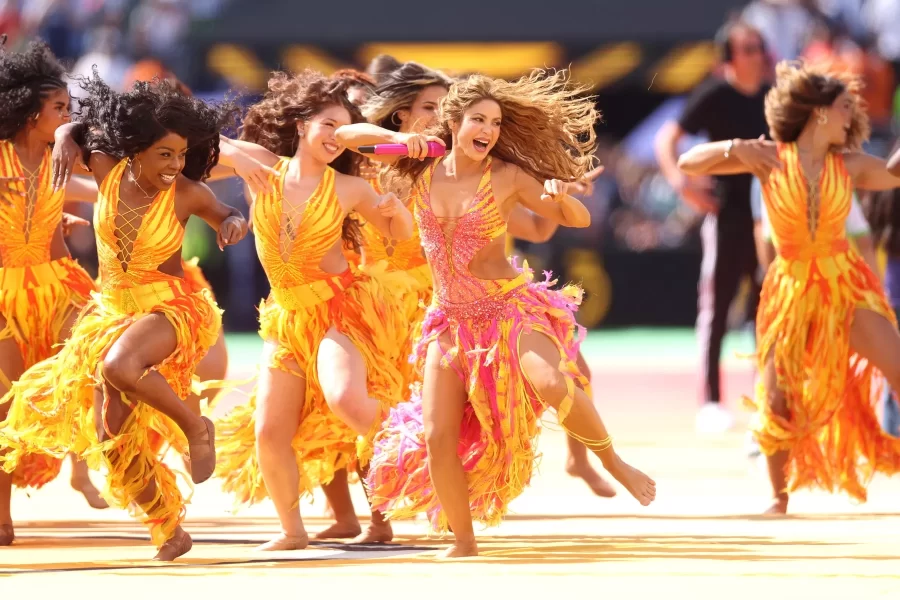
Shakira, another essential name in the lineup, appeared in Roberto Cavalli, a house closely associated with sensuality, movement and animal energy. Her look felt perfectly aligned with her stage presence: powerful, fluid and unmistakably built for performance. Cavalli’s visual language has always understood the body in motion, making it a natural choice for an artist whose relationship with dance is central to her global identity.
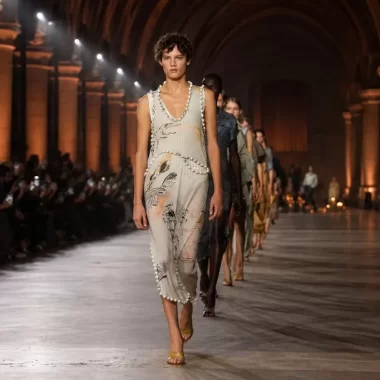
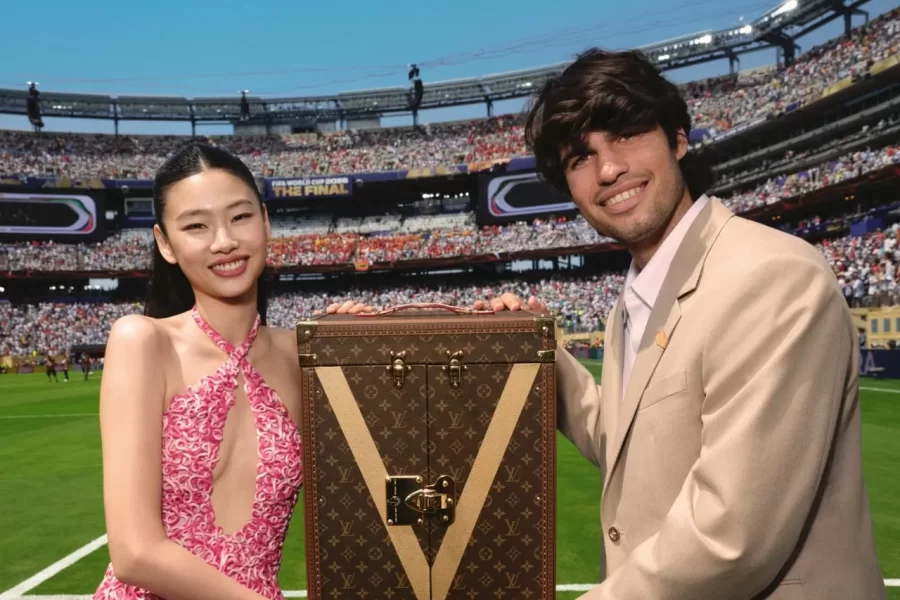
The fashion impact of the night extended beyond the main musical performers. Hoyeon and Carlos Alcaraz appeared in Louis Vuitton, adding a luxury fashion dimension that connected cinema, sport and style. Their presence reinforced the idea that the World Cup Final is no longer only a sporting event, but a cultural platform where athletes, actors and global ambassadors participate in the construction of a larger visual narrative.
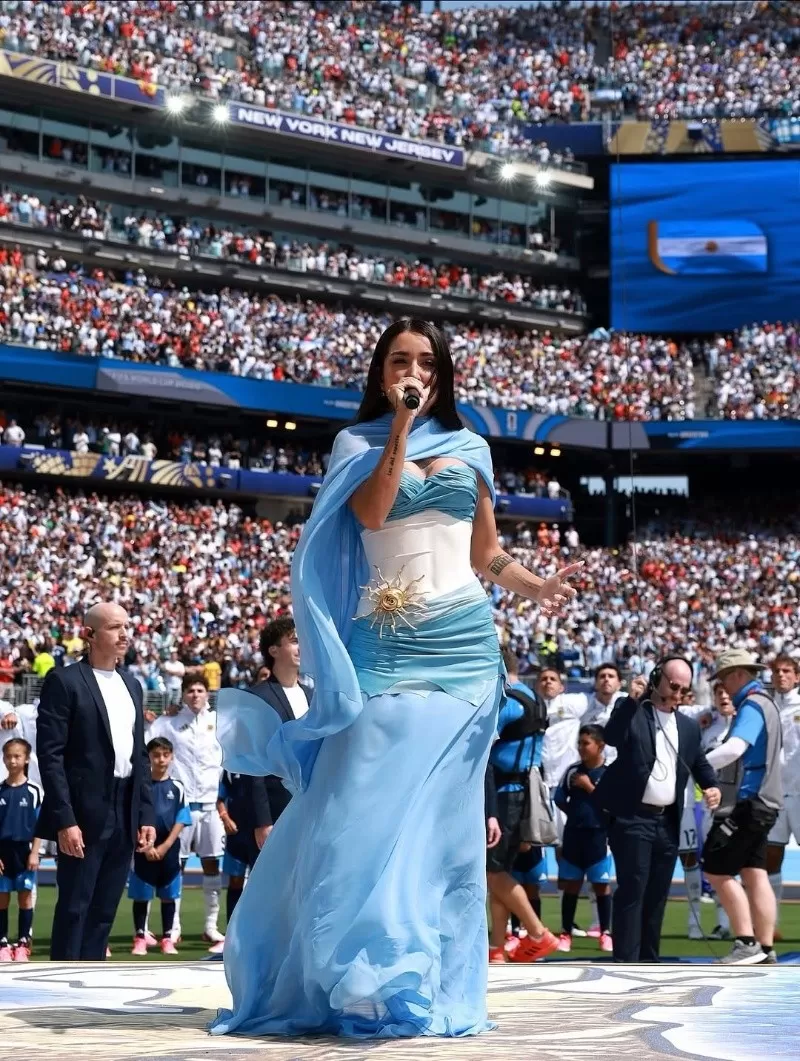
The inclusion of Maria Becerra in Abel Cepeda SEKS brought a sharper Latin pop energy to the fashion conversation. Her look introduced another layer to the show’s identity, proving that the halftime stage was not built around one single aesthetic, but around contrast. From European luxury to custom streetwear and Latin performance glamour, the result was intentionally diverse.
That diversity was precisely what made the show feel new for the football world. Instead of forcing every artist into a shared costume language, the creative direction allowed each performer to bring their own universe to the pitch. Madonna represented legacy and spectacle. Justin Bieber brought modern streetwear ease. BTS delivered global choreography and futuristic precision. Shakira embodied movement and sensuality. Hoyeon, Carlos Alcaraz and Maria Becerra expanded the frame beyond music alone.