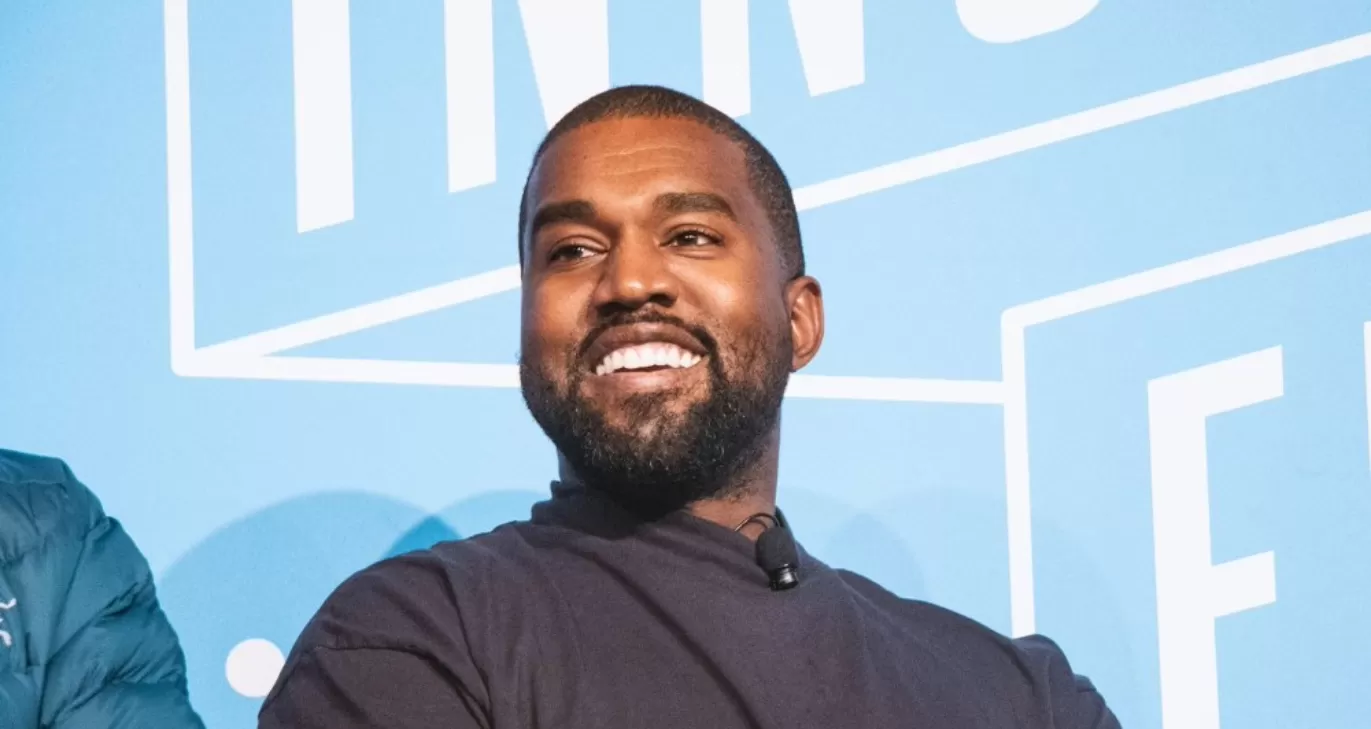

The UK government denies Kanye West entry ahead of Wireless Festival, sparking backlash, sponsor withdrawals and renewed debate over his public image.
The controversy surrounding Kanye West, also known as Ye, has reached a critical point after the UK government officially blocked his entry into the country, preventing him from headlining this year’s Wireless Festival. The decision, confirmed by multiple reports, marks a significant escalation in the ongoing debate around the artist’s presence in major international events.
According to authorities, the Home Office rejected West’s application for an Electronic Travel Authorisation, stating that his presence would not be “conducive to the public good”. The ruling effectively removes him from one of the most high-profile music events of the summer, where he was scheduled to perform as a headline act at Finsbury Park between 10 and 12 July.
The decision follows weeks of mounting pressure from political figures, advocacy groups and industry stakeholders, all of whom had raised concerns about West’s past statements and actions. While the artist has attempted to address the situation, the response from institutions and sponsors suggests that the reputational damage remains significant.
In a recent statement, Kanye West expressed his intention to engage directly with the Jewish community in the UK, acknowledging the controversy surrounding his booking.“My only goal is to come to London and present a show of change, bringing unity, peace and love through my music,” he said. He also offered to meet community representatives in person, emphasising that “words aren’t enough” and that any real change would need to be demonstrated through actions.
However, these remarks have done little to shift the broader reaction. The commercial impact has been immediate and substantial. Major brands including Pepsi, Diageo, Rockstar Energy and PayPal have withdrawn their support from the festival, removing their branding from promotional materials. Pepsi, in particular, had been a long-standing partner, co-branding the event for over a decade, making its exit especially notable.
The situation has also reignited criticism linked to West’s previous controversies, including the release of a highly criticised track and a series of public statements that drew widespread condemnation. Although the artist issued a full-page apology earlier this year, attributing his behaviour to bipolar disorder, critics argue that the gesture has not been sufficient to restore trust.
Public figures have also entered the conversation. Actor David Schwimmer publicly thanked the withdrawing sponsors and encouraged others to follow suit, stating that while he believes in forgiveness, it requires meaningful accountability. Meanwhile, industry voices remain divided, with some defending the principle of artistic freedom, while others argue that platforms of this scale carry responsibility beyond performance.
Festival organiser Melvin Benn has defended the original booking, describing himself as “deeply committed anti-fascist” and urging audiences to consider the possibility of redemption. Yet this position has been strongly rejected by organisations such as the Campaign Against Antisemitism, which criticised the decision as prioritising profit over principle.
The broader implications of the situation extend beyond a single performance. The case highlights the increasing intersection between music, politics and public accountability, where an artist’s global reach also brings heightened scrutiny. In an industry where live performances are a key driver of both revenue and cultural influence, decisions like this reflect a shifting landscape in how institutions respond to controversy.
For Kanye West, the immediate consequence is clear: he will not take the stage at Wireless Festival. But the longer-term impact may be more complex. As the debate continues, the question is no longer just about one performance, but about how the industry navigates the balance between creative expression and public responsibility in an era where both are constantly under review.