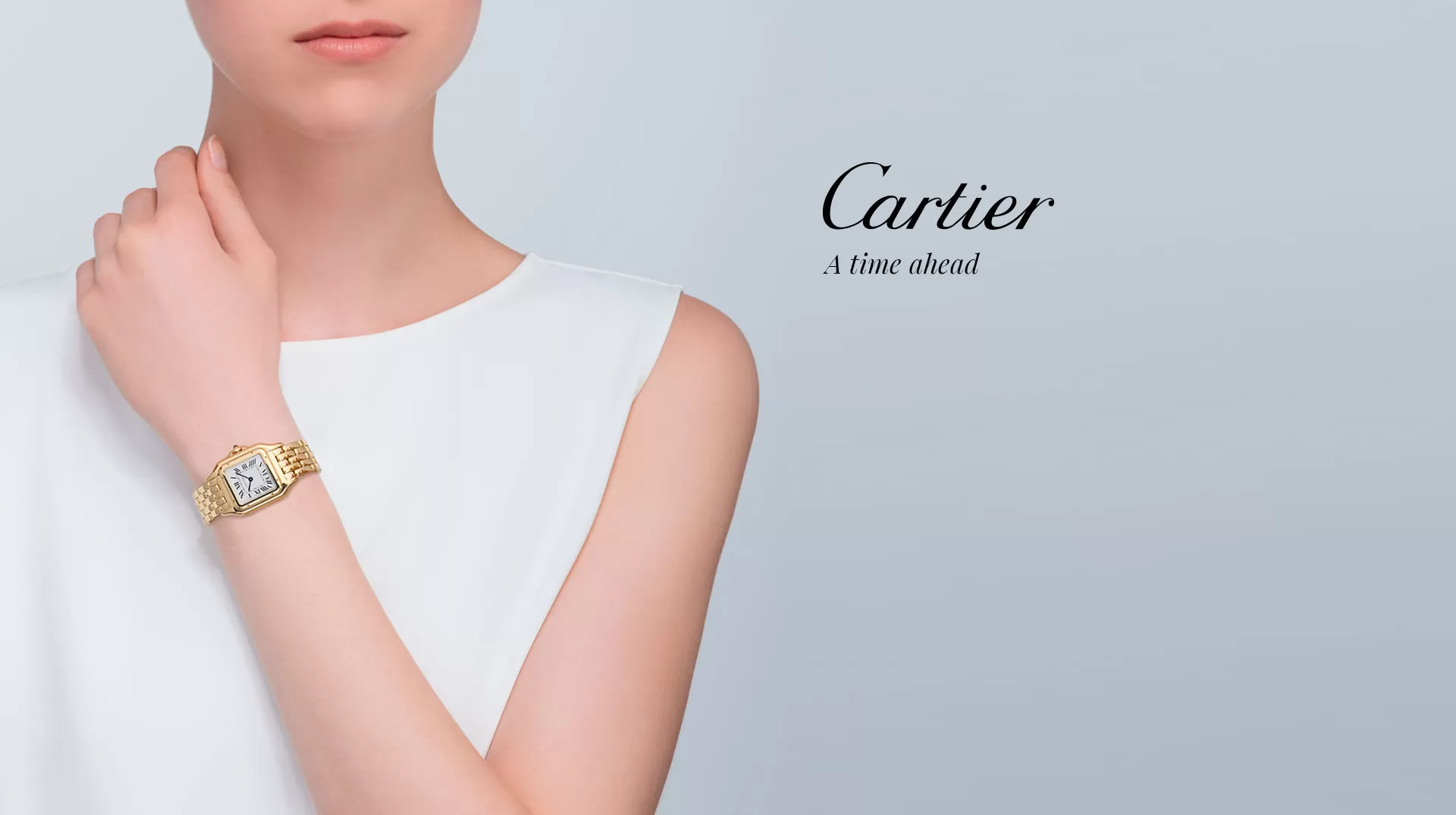

While much of the luxury industry faces a cooling cycle, Richemont begins 2026 with historic results, driven by jewellery, the power of Cartier, and resilient global demand.
While a large part of the luxury sector is navigating a global slowdown, Richemont has entered 2026 with an exceptional performance fuelled by a record-breaking holiday season. The Swiss conglomerate, home to iconic maisons such as Cartier, reported $7.43 billion USD in third-quarter sales, marking an 11% increase — significantly outperforming market forecasts, which had projected growth of around 7.5%.
The primary engine behind this performance was high jewellery, confirming that hard luxury remains a strong priority for high-net-worth consumers, even amid economic uncertainty. The jewellery division led the group’s growth with a 14% increase, consolidating its position as Richemont’s most resilient business pillar.
Regional performance further reinforces this optimistic outlook. The United States emerged as a key driver, posting 14% growth, while Japan and the Middle East exceeded expectations with increases of 17% and 20%, respectively. These figures highlight a sustained appetite for high-value, heritage-driven pieces with long-term symbolic and investment appeal.
One of the most striking elements of the report is the performance of Richemont’s specialist watch division. Despite the pressure of elevated gold prices and US tariffs on Swiss exports, maisons such as Vacheron Constantin and Piaget achieved 7% growth, proving that demand for high-end timepieces remains intact even under challenging conditions.
In Asia, where many luxury groups continue to show signs of weakness, Hong Kong has become a crucial pillar of Richemont’s success. The region experienced a notable rebound in demand, driven by the return of high-spending tourism and renewed confidence among local consumers. This resurgence played a key role in offsetting broader concerns about a luxury slowdown in mainland China.
Within this market, consumer preference has leaned decisively towards Richemont’s jewellery maisons, particularly Cartier and Van Cleef & Arpels, both widely regarded as benchmarks for investment-grade pieces and enduring status symbols.
Beyond financial performance, Richemont has strengthened its cultural dominance through a highly visible ambassador and red-carpet strategy. At the Golden Globe Awards 2026, the red carpet became a global showcase: Jacob Elordi wore a diamond-set platinum Privé Tank Normale, while Timothée Chalamet debuted a custom Panthère de Cartier pendant. This momentum was further amplified by renewed media attention surrounding the Santos model, linked to Taylor Swift’s recent engagement, once again placing the brand at the centre of global conversation.
With strong financial results, jewellery-led growth, strategic recovery in Hong Kong and powerful cultural visibility, Richemont demonstrates that the most tangible, heritage-driven forms of luxury not only withstand market deceleration, but can actively lead a new phase of growth in times of uncertainty.