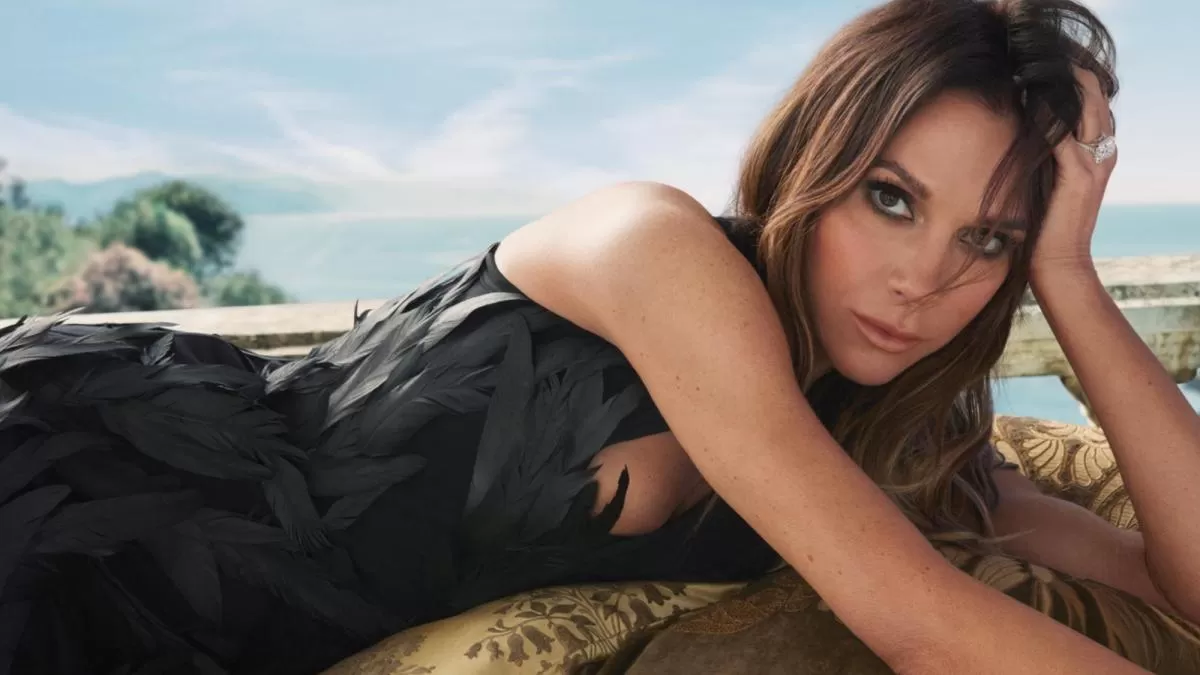

Victoria Beckham shares the secrets behind the growth of her beauty business, which now accounts for around 60% of her company and is attracting major retailers
Victoria Beckham has experienced almost every possible stage of pop culture: global superstardom with the Spice Girls, becoming one of the most photographed celebrities of the 2000s, establishing herself as a luxury fashion designer and, more recently, becoming a beauty entrepreneur. Yet it is this latest chapter that is transforming the scale of her company.
Beauty currently accounts for approximately 60% of Victoria Beckham’s business, becoming the main driver of growth for a group whose latest annual results reported total revenue of £129.8 million, up 15%, and an operating profit of £7.3 million. According to estimates reported by Puck, the beauty division is generating around $100 million.
In a recent interview with The Business of Beauty, the entrepreneur discussed how she built the business, the decisions she made to differentiate it from other celebrity beauty brands and why she continues to favour slower growth rather than compromising the positioning she has established.
From the Spice Girls to building a luxury beauty brand
The idea did not emerge overnight. Victoria had spent years trying to incorporate cosmetics seriously into her creative world when a collaboration with Estée Lauder in 2016 confirmed that there was genuine demand for products associated with her signature make-up style.
Three years later, Victoria Beckham Beauty was born.
Rather than launching an enormous collection, the entrepreneur began with a carefully curated selection: her now-iconic Satin Kajal Liners, Lid Lustre single eyeshadows and small palettes designed to recreate the smoky eye that had been part of her personal image for years.
The strategy appeared simple, but it was unusual in a market that, at the time, favoured oversized eyeshadow palettes and constant product launches. Beckham wanted to create a kind of make-up wardrobe, consisting exclusively of products she considered genuinely essential.
The eyeliner eventually became the brand’s number-one product, but the company achieved something even more significant: proving that it could sell successfully across different categories.
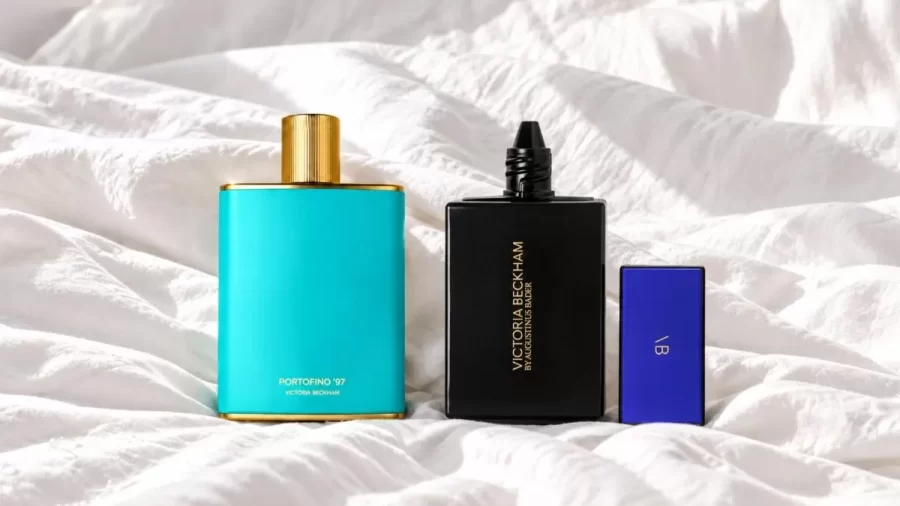
Today, the Foundation Drops with TFC8®, developed in collaboration with Augustinus Bader, are its second bestselling product, while Portofino ’97, a citrus and woody fragrance inspired by the Italian coastline, ranks third.
226 versions to create a single lipstick
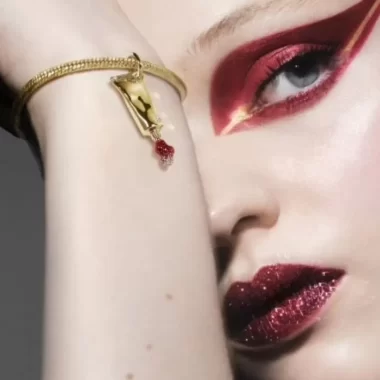
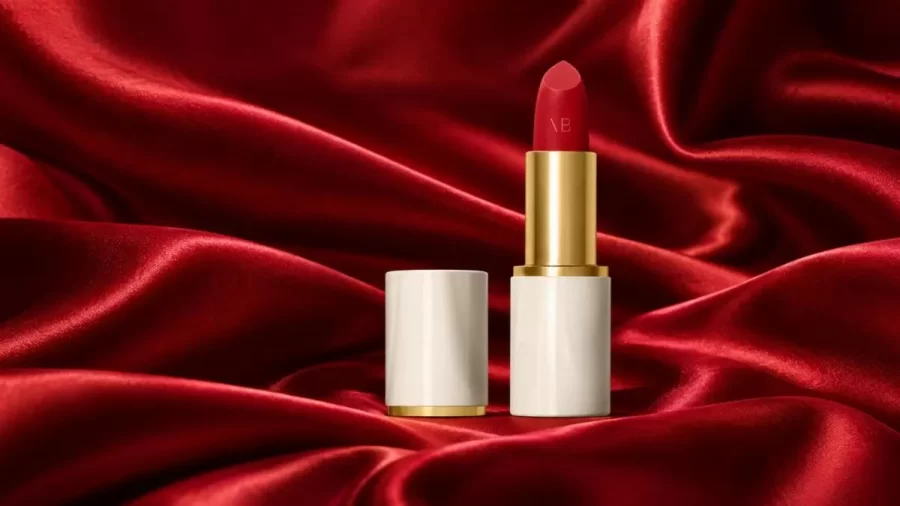
One of the keys to the company’s growth has been its determination not to rush product launches. Its new Rouge Victoria, a collection of six red lipsticks, went through 226 design iterations before reaching the final result.
“It took us years to create that lipstick,” the former singer admits.
The product perfectly illustrates how the company operates today. It was not simply the formula that received attention. The packaging, campaign, models, photography and even the experience of taking the lipstick out of a handbag were all considered part of the same luxury experience.
The case combines a polished alabaster finish with a mirrored cap that can be used for touch-ups. Each piece also features subtle individual differences.
“It’s an object you’ll feel proud to take out of your handbag,” she explains.
Behind a launch as seemingly traditional as a red lipstick, therefore, lies a much broader strategy: create fewer products, spend longer developing them and ensure that each has a recognisable identity.
Victoria Beckham avoided becoming just another celebrity beauty brand
From the beginning, the company also made an important decision: to surround itself with experienced industry professionals.
They included Sarah Creal, who led product development during the early years, and now Lauren Edelman, a former Chanel executive and chief executive officer of Victoria Beckham Beauty.
Edelman has helped establish a business model in which commercial decisions must constantly be balanced against the need to protect the brand’s image.
That balance also explains why Victoria does not always get what she wants immediately. When she first began developing the company, she intended to launch a foundation from the outset. A friend with industry experience advised her to wait.
“It was the best advice,” she now admits, because developing the product to the standard she wanted ultimately took several years.
The entrepreneur has applied a similar philosophy to distribution. While many emerging brands aim to enter major international retail chains as quickly as possible, Victoria Beckham Beauty has grown without relying on a global retailer such as Sephora.
By the end of the year, the brand is expected to be available in approximately 300 retail locations, including La Samaritaine in Paris, Harrods in London and Bloomingdale’s in New York.
The company is also in discussions about expanding its presence in Asia and South Africa, although the intention remains to select each retail partner carefully.
Beauty is now transforming her fashion business too
Fashion and cosmetics no longer operate as two entirely separate divisions.
During the latest Victoria Beckham Spring/Summer 2027 show in Paris, models appeared wearing different versions of a striking red lip created by Lucia Pica. It was, in fact, a preview of Rouge Victoria ahead of its international launch.
The clothing creates the visual universe, while the make-up allows a considerably wider audience to experience a part of that world. The success of the beauty business, in turn, strengthens the appeal of the entire Victoria Beckham brand.
The growth has not gone unnoticed by potential buyers, either. The company appointed Rothschild & Co to explore strategic options, while the business possesses many of the qualities sought by major luxury groups: premium positioning, recognisable products, considerable potential for international expansion and a founder closely associated with its identity.
Victoria, however, insists on maintaining the same philosophy that has brought her this far.
“We’re only just beginning to discover what we can really achieve, and we’re all incredibly ambitious. That said, I never want to compromise anything,” she says.
“I see so many opportunities, but we can’t rush.”